About 50% of people suffer from some form of skin pigment disorder, so the global demand for dermatological clarity continues to spike. This isn’t just about vanity; it is about the skin’s defense mechanism overreacting to external trauma.
When the skin barrier is breached or irritated, inflammatory mediators signal melanocytes to dump pigment into the surrounding tissue. In lighter skin tones, these marks usually appear pink, red, or tan, while those with deeper skin tones often see dark brown or even purple patches that can be notoriously stubborn to resolve.
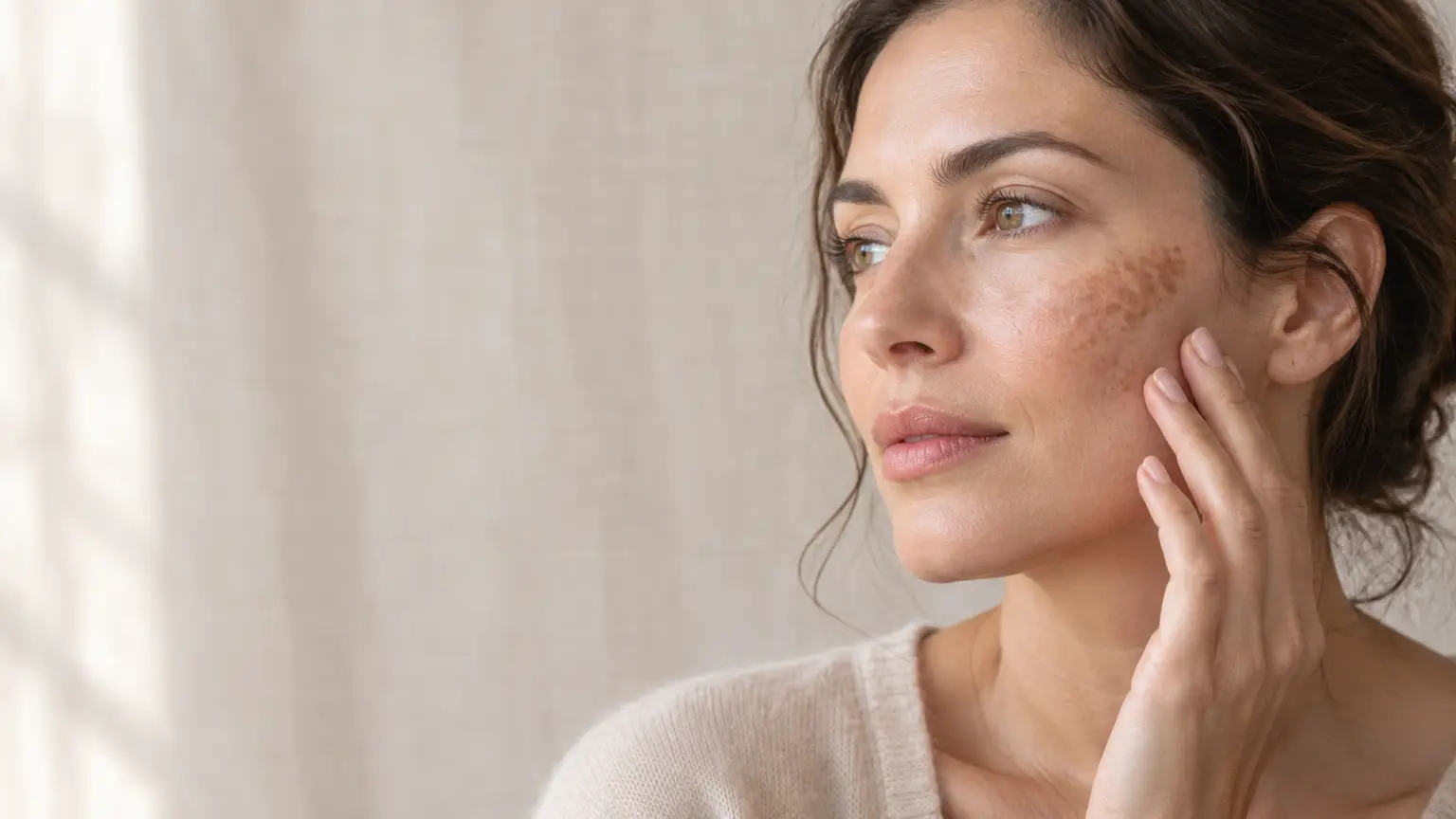
Post-inflammatory hyperpigmentation, or PIH, is the skin’s overzealous response to injury or irritation that leaves behind flat, darkened spots ranging from light brown to deep blue-gray.
Unlike a typical scar that changes the texture of your skin, PIH is strictly a pigment issue in which your melanocytes, the cells responsible for color, go into overdrive during the healing process. If you have ever noticed a dark mark lingering weeks after a breakout or a rough shaving session, you are looking at the aftermath of a biological inflammatory “fire” that your skin tried to put out with extra melanin.
Why Shaving and Waxing Trigger Dark Spots
The mechanical stress of a razor blade or the heat and pull of wax are primary catalysts for PIH because they cause micro-trauma to the epidermis. Every time you shave, you are technically exfoliating the top layer of skin, and if the blade is dull or the technique is aggressive, you create tiny fissures.
These invisible tears trigger an inflammatory response that the body attempts to heal by flooding the area with pigment. This is particularly common in areas with coarse hair, such as the bikini line or beard area, where ingrown hairs add a secondary layer of inflammation. So, looking into facial hair removal requires care.
When a hair becomes trapped beneath the surface, the body treats it like a foreign object. This localized “war” leads to a raised red bump, and as the bump heals, it leaves a dark footprint. To effectively manage the discoloration, you need to address the root cause of the irritation while simultaneously inhibiting the production of new pigment.
Many people find success when they explore PBF Vanish skincare solutions which are formulated to target the specific intersection of ingrown hair prevention and skin brightening. Effective topical management usually requires a multi-pronged approach:
- Exfoliating acids like salicylic or glycolic acid to clear the hair follicle
- Tyrosinase inhibitors like azelaic acid or kojic acid to stop melanin production
- Consistent moisture to repair the damaged skin barrier
Distinguishing PIH From Melasma and Scarring
One of the biggest hurdles in treating dark spots is misidentification. PIH is often confused with melasma, but the two have very different origins.
Melasma is primarily driven by hormonal fluctuations and UV exposure, typically appearing in symmetrical patches on the face like a mask. PIH, conversely, is random and follows the exact footprint of a prior injury. If you burned your skin with a curling iron or had a cystic acne flare-up, the dark spot that follows is PIH.
True scarring involves a change in the physical structure of the skin, such as “pitted” ice-pick scars or raised keloids. PIH is much more superficial, existing as a “stain” on the skin rather than a structural deformity.
Because it is pigment-based, it is often easier to treat with topicals than physical scars, but it requires much more patience than people expect. While the inflammation might clear in a few days, the pigment can take 3 to 12 months to naturally fade from the skin without intervention.
The Role of Sunscreen in Pigment Recovery
The single biggest mistake people make when trying to fade PIH is skipping sun protection. UV rays act like fuel for the pigment “fire.” Even if you are using the best brightening serums in the world, a few minutes of unprotected sun exposure can darken those spots and undo weeks of progress. This happens because UV light stimulates melanocytes, telling them to produce even more melanin to protect the already damaged area.
If you are treating PIH on the body or face, a broad-spectrum SPF 30 or higher is non-negotiable. For those with deeper skin tones, mineral sunscreens containing iron oxides are particularly beneficial. These formulations help block blue light, which studies show is a significant contributor to lingering hyperpigmentation in melanin-rich skin.
Reclaiming a Clear, Even Complexion
Healing PIH is a marathon, not a sprint. You have to be consistent with your routine and resist the urge to “scrub away” the spots, as physical scrubbing only worsens the inflammation that caused them in the first place.
Focus on calming the skin, protecting it from the sun, and using gentle chemical exfoliants that keep the pores clear without causing a scene.
The journey toward an even skin tone starts with recognizing that your skin is currently recovering. By providing the right nutrients and avoiding the trauma of dull razors or harsh waxes, you allow the inflammatory cycle to finally break. For more tips on maintaining your skin successfully, we’ve got plenty of other posts on the topic, as well as health and beauty coverage of all kinds.