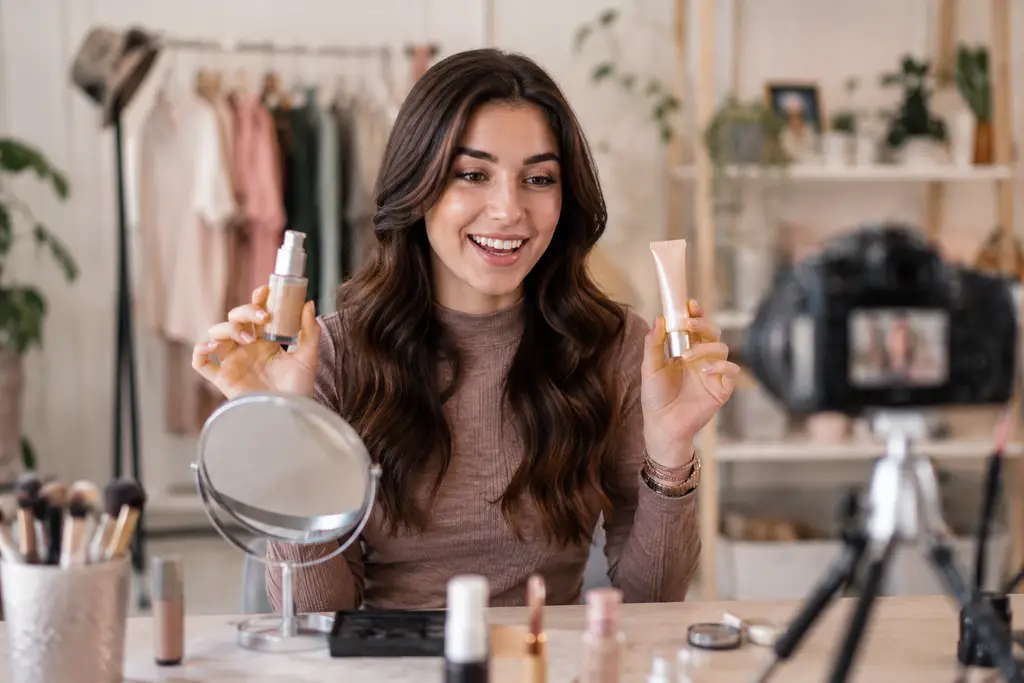
For a long time, the creator economy worked the same way: bigger audience, bigger opportunities.
Brands mostly looked at follower count, and creators spent years trying to grow as fast as possible because more followers usually meant more deals, more visibility, and more income.
But that mindset is starting to shift, especially in beauty.
A lot of beauty brands are paying closer attention to smaller creators who may not have massive audiences but consistently drive better engagement and feel more trustworthy to their communities. In many cases, creators with fewer than 50,000 followers are landing partnerships that larger influencers struggle to secure.
Part of that comes from engagement, but it also comes from how brands evaluate creators today. Campaigns have become more performance-focused, marketing teams are more selective, and professionalism matters far more than it used to.
Smaller beauty creators are benefiting from that shift because many of them feel more approachable, more niche, and often easier to work with than larger influencers who already receive dozens of partnership requests every week.
Why Beauty Brands Prefer Smaller Creators
A lot of people still assume that bigger reach automatically means better results for brands, but that is not always how beauty marketing works anymore.
Large creators can absolutely generate awareness, especially during product launches, but many beauty brands are realizing that smaller creators often drive stronger trust with their audiences. Their content usually feels more personal, less polished, and far less transactional than the typical sponsored post people scroll past every day.
That matters a lot in beauty because people are not just buying a product. They are buying routines, habits, recommendations, and opinions from creators they genuinely follow over time.
Someone with 20,000 engaged followers talking honestly about a skincare product can sometimes generate more interest than a creator with hundreds of thousands of followers posting another sponsorship that feels disconnected from their normal content.
A few years ago, brands mainly optimized for visibility. Now many of them care just as much about credibility and audience quality.
Why Smaller Beauty Creators Get More Collaborations
One thing people outside the creator industry rarely see is how much brands care about the actual collaboration experience.
Content matters, obviously, but once a creator reaches a certain quality level, brands also start paying attention to things like communication, reliability, and how easy the partnership feels day to day.
A lot of smaller beauty creators tend to stand out here. They usually respond faster, are more flexible during campaigns, and often put more effort into the relationship because they are still actively trying to grow.
From a brand perspective, that makes a difference.
Marketing teams are constantly managing deadlines, approvals, product shipments, revisions, and reporting. Working with a creator who communicates clearly and delivers content on time removes a huge amount of friction.
Some of the things brands quietly pay attention to are:
- fast replies and clear communication
- realistic pricing
- organized campaign information
- reliable delivery timelines
- openness to feedback and creative collaboration
None of these things are particularly flashy, but together they shape how professional a creator feels to work with. And in an industry where brands often work with dozens of creators at once, that reputation spreads quickly.
Why Engagement Matters More Than Follower Count
Follower count still matters, but it does not carry the same weight it did a few years ago.
Brands have become much better at evaluating creators beyond surface-level numbers. They can now look at things like audience quality,engagement patterns, retention, clicks, and even how people react in comment sections during campaigns.
That changes the way beauty creators are evaluated.
In beauty content especially, engagement often says far more than reach. A creator with 20,000 highly engaged followers actively asking questions about products in the comments can sometimes deliver better results than a creator with 500,000 followers posting another sponsorship people scroll past in two seconds.
That is a big reason why many beauty brands are spreading budgets across several smaller creators instead of putting everything into one large influencer partnership.
Smaller creators often feel more authentic, their audiences tend to be more engaged, and the overall campaign usually feels more natural to consumers.
How Beauty Creators Can Look More Professional to Brands
A few years ago, most creators could get away with sending a couple screenshots and a follower count when talking to brands.
That is not really enough anymore.
As influencer marketing becomes more competitive, brands want creators who look organized and easy to work with from the start. Before even jumping on a call, they usually want quick access to things like:
- audience demographics
- engagement rates
- previous brand collaborations
- pricing information
- examples of past campaigns
When creators have to search through old screenshots, Google Drive folders, or scattered analytics every time a brand asks a question, the whole collaboration process becomes slower.
This is one reason smaller creators sometimes appear more professional than bigger influencers. Many of them put extra effort into presentation because they are actively trying to secure partnerships and stand out.
A strong influencer media kit helps centralize all of that information in one place, making it easier for brands to quickly understand the creator, the audience, and the value of the collaboration.
It might not sound like a major advantage, but when brands compare several creators at once, the person who looks the most organized often ends up being the easiest person to say yes to.
Beauty Creators Are Becoming More Strategic
The beauty creator space has become incredibly crowded over the last few years, especially in skincare. New creators appear every day, which means simply posting attractive content is usually not enough anymore.
Many smaller creators have started realizing that trying to appeal to everyone rarely works. Instead, the creators growing the fastest are often the ones with a very clear niche and audience.
Some focus almost entirely on Korean skincare. Others build content around acne-prone skin, luxury beauty, clean beauty, minimal routines, or affordable drugstore products.
That kind of positioning makes collaborations much easier for brands.
Instead of looking for the biggest beauty influencer possible, many brands are now searching for creators whose audience already matches the product they are trying to sell. A skincare company focused on sensitive skin, for example, will usually get better results working with a creator known specifically for that type of content rather than a massive general beauty account.
Smaller creators who understand this tend to build stronger long-term partnerships because the collaboration feels more natural to the audience from the beginning.
What Beauty Brands Actually Look For in Creators
For a long time, a lot of creators assumed that if their content looked visually polished enough, brand deals would eventually follow.
And to be fair, aesthetics still matter a lot in beauty content. Lighting, editing, packaging shots, and overall visual identity are still a huge part of what makes beauty creators stand out online.
But brands are paying attention to much more than that now.
A creator can have beautiful content and still be difficult to work with, inconsistent, or unable to deliver strong campaign results consistently. That is why many brands now look at things like:
- consistency over time
- audience trust and engagement
- communication and responsiveness
- reliability during campaigns
- how professional the overall collaboration feels
This is also why some smaller creators continue landing partnerships regularly while bigger creators with visually perfect feeds struggle to build long-term brand relationships.
The creators growing the fastest today are usually not just focused on making content look good. They are treating content creation like an actual business and building structure around it.
The Business Side of Being a Beauty Creator
What people see online is usually only a small part of what creators are actually doing every day behind the scenes.
Most beauty creators are not just filming tutorials or posting skincare routines. A huge part of the job ends up being administrative work that audiences never notice.
A lot of time goes into things like:
- replying to brand emails
- organizing campaign deadlines
- tracking deliverables
- negotiating collaborations
- sending analytics and campaign results
As creators start working with more brands, this side of the job becomes much harder to manage casually.
That is usually the point where many creators realize that growing as a creator is not only about making better content. It is also about staying organized and making collaborations easier to handle professionally.
This is one reason more creators are starting to use platforms like CreatorsJet to centralize campaign information, organize partnerships, and present their work more clearly to brands.
The beauty creators who tend to grow the most sustainably are often the ones who understand both sides of the industry: the creative side and the business side.
Brands Are Looking for Long-Term Relationships
One-off sponsored posts still happen all the time, but a lot of beauty brands are now looking for longer-term creator relationships instead of single campaigns.
From the brand side, it makes sense. Consumers are much more likely to trust a recommendation when they see a creator talking about the same product consistently over time rather than mentioning it once in a clearly sponsored post and never using it again.
Smaller creators often perform well here because their audiences tend to follow them more closely and notice those repeated product mentions naturally throughout their content.
The partnership ends up feeling less like advertising and more like part of the creator’s normal routine, especially in beauty where people pay attention to habits, routines, and product consistency.
For creators, these long-term partnerships are usually more valuable too. They create more predictable income, stronger relationships with brands, and often lead to recurring collaborations instead of constantly searching for the next sponsorship.
Why Smaller Beauty Creators Are Winning Right Now
The beauty creator industry is becoming much more competitive, but also much more professional than it was a few years ago.
Follower count still matters, of course, but it is no longer enough on its own. Brands care more about audience trust, consistency, communication, and whether a creator actually feels reliable to work with long term.
That shift is creating more opportunities for smaller beauty creators who understand how to build a real connection with their audience and present themselves professionally to brands.
A lot of the creators growing the fastest right now are not necessarily the biggest accounts. They are the creators who stay consistent, understand their niche, and treat content creation like something bigger than just posting online.