The bathroom is a private space, where New Zealanders move from their public to their private lives. It’s frequently the only room in a modern-day house where someone can truly be alone.
This space serves as the beating heart for restorative mental and physical work, beyond the row upon row of skincare products and towels. Kiwis are viewing these rooms more and more as essential tools for managing day-to-day stress rather than just utilitarian areas.
A well thought out bathroom creates a controlled environment away from sensory overload, able to relax. While some find peace in total silence, others prefer the distraction of digital entertainment, perhaps exploring a $25 deposit and free spins at https://casinosanalyzer.co.nz/free-spins-no-deposit/25-dollars during a long soak.
By concentrating on light, heat, and ergonomic flow, you create a dedicated recovery zone out of what is essentially just a functional square. This knowledge of the technical and psychological elements in this area helps create a more conscious approach to home design and individual well-being.
Psychology Behind Bathrooms
The mental effect of a bathroom space is directly symbiotic with how an individual processes the start and finish line of their days. Studies about environmental psychology have shown that the bathroom serves as a so-called “transitional space,” where the brain goes from high alertness to resting mode.
For many in New Zealand, that morning routine is an important period of mental preparation. A cluttered or poorly lit space can send cortisol levels soaring before the commute even begins. Meanwhile, a minimalist aesthetic free from detritus permits the mind to concentrate on immediate sensory tasks, and that alleviates anxiety.
Texture and temperature may be hidden players in the brain’s perception of this space. Soft towels and warm floors are not simply luxuries; they offer tactile anchoring. Cold surfaces and stark, flickering lights can activate a subtle “fight or flight” response, not the best ambiance for unwinding.
By choosing materials that are pleasing to touch, you strengthen the notion of the bathroom as a refuge. It is a piece of environmental feedback that tells the body that it is no longer in a high-performance environment and helps it switch over more gently into sleep or socialising.
Design Drives Recovery
The chicken coops, or what they call bathrooms, dictate the physical recovery expediency. In New Zealand, an outdoor lifestyle is the norm, and facilities must brace themselves for the expectation of muscle rehabilitation. Hydrotherapy systems are designed to deliver a high-pressure shower experience, while ergonomic bath shapes are engineered for optimal comfort.
How the cupboards, racks, and other fixtures are placed makes the user feel suffocated or liberated. Doing this at the gut level, with proper spatial planning, movement between dry and wet zones [for example] is seamless; you’ll have a lower “cognitive load” during the morning push.
Lighting and Circadian Rhythm
Lighting is perhaps the most powerful design element for recovery. Blue-tinted, high-intensity lights are effective at flooding small, detailed tasks like shaving or applying makeup and being detrimental to melatonin production during late-night hours.
Dimmable circuits or layered lighting installations allow the user to adjust the ambience of the room according to their circadian rhythm. To maximize productivity, consider multiple layers for this space to provide benefits while working as well as resting.
- Task Lighting: High-intensity, cool-spectrum lights (around 5000K) positioned near mirrors to promote morning alertness and ensure precision.
- Ambient Lighting: Dimmable, warm-toned fixtures (approx. 2700K) to create a soft glow that encourages evening relaxation.
- Orientation Lighting: Low-level, motion-activated floor lights to provide safe navigation at night without triggering a “wake-up” response in the brain.
The warm, low-level evening lighting tells the body to wind down. This technical alteration converts the bathroom into a sleep hygiene tool, one of the bedrocks of good health and productivity in the long term.
Water Impacts Health
Water quality and delivery systems are the biological heart of this power of the bathroom. In many NZ regions, mineral content and pH levels in local water supplies damage skin barrier function and hair.
More advanced filtration systems embedded in the showerhead can eliminate chlorine and heavy metals that dry or irritate skin. And beyond the chemistry, the physical pressure of a water massage is a mechanical tool. With about 60% of NZ homeowners nominating “showering” as their favorite tension-tamer, plumbing that performs is non-negotiable.
Skin Barrier Protection
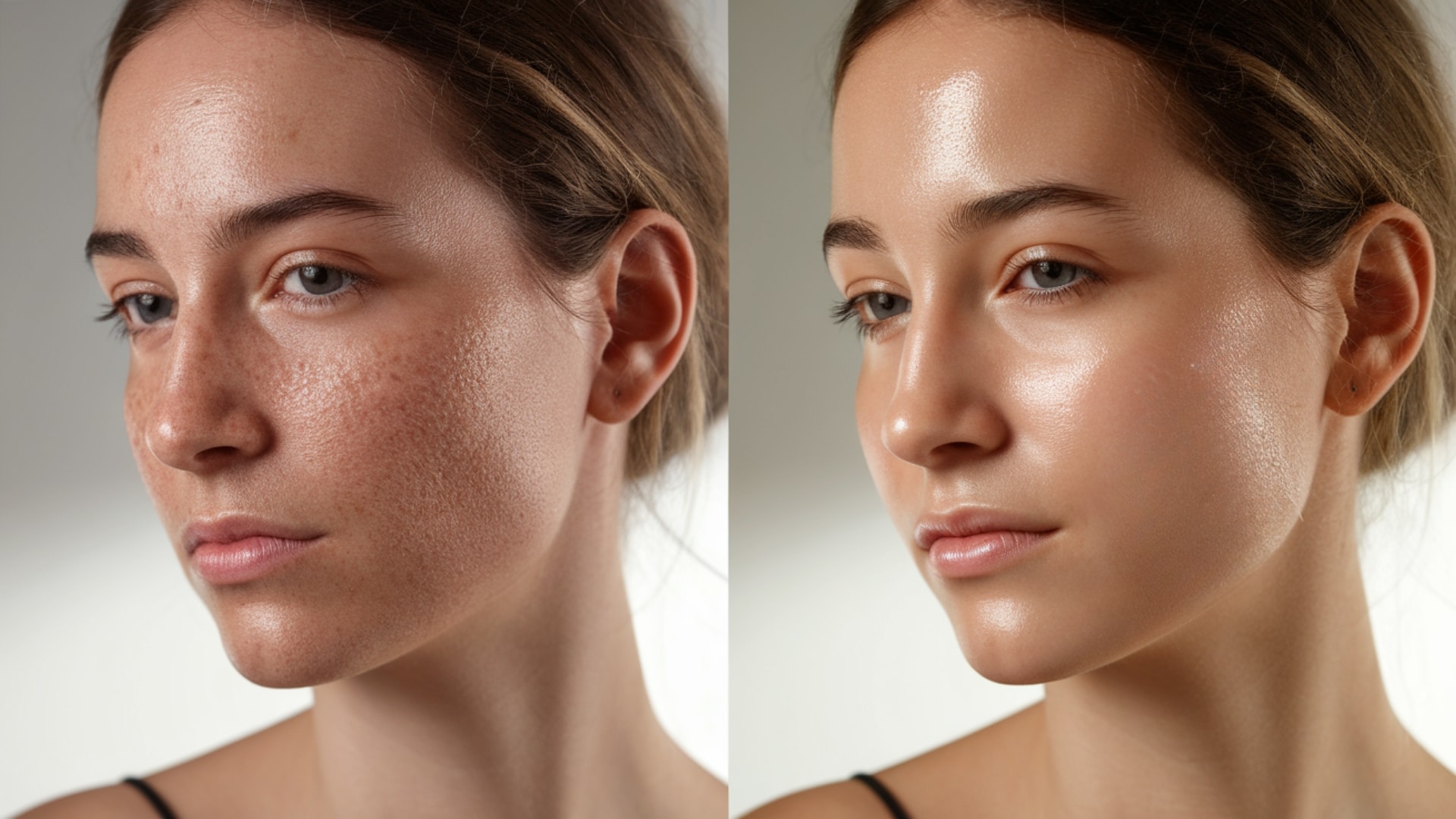
Softened water helps retain skin’s natural oils, which can prevent that “tight” feeling many people experience from mineral residue and harsh cleansers. By taking control of water quality at the source, you solve the skin problem at its core rather than masking it with pricey creams—a “preventative plumbing” trend taking off in luxe Auckland and Wellington homes. How to install a water-softening system:
- Test Hardness: Use a TDS meter or liquid kit to measure mineral levels.
- Choose a System: Select between an ion-exchange (salt-based) or TAC (salt-free) unit.
- Locate Main Inlet: Identify the primary water line to treat the entire home.
- Install Professionally: Have a plumber fit the system behind a pressure-limiting valve.
- Maintain: Regularly check salt levels or replace filters to ensure peak water quality.
This technological transition means every shower is a skin treatment instead of an aggravation.