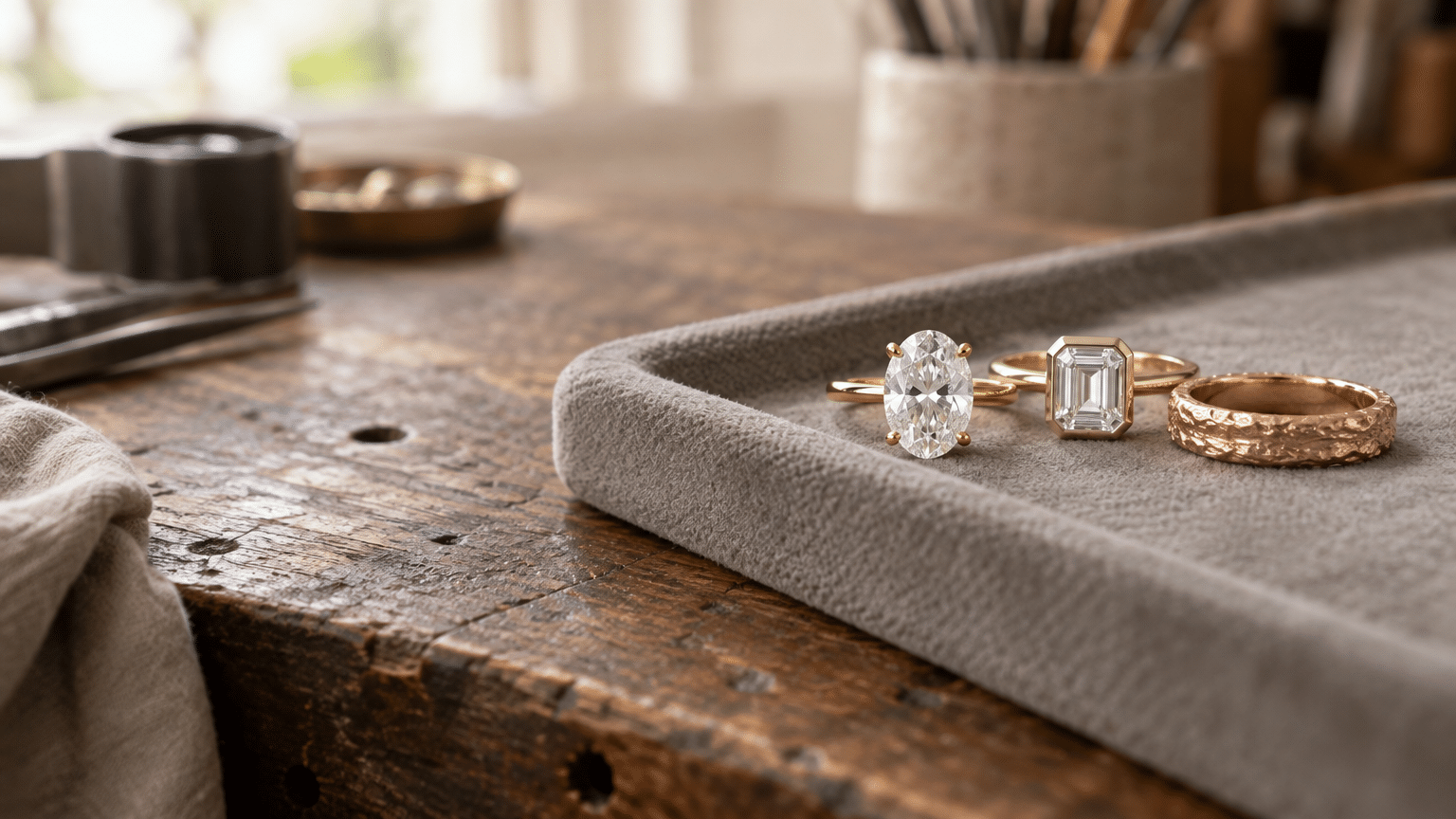
Selling a diamond can be an experience that feels like navigating through unfamiliar territory, and that’s perfectly understandable. It’s not something that most people do very often in their lives, and uncertainty is always an inevitable factor in the process.
Questions and concerns about price, safe shipping, and the relevance of certificates are legitimate, and these are also the very reasons many sellers procrastinate for years while letting the real value of the diamond sit in a drawer.
The good news is that none of it is ever as complicated as it may seem.
Below are seven of the most common questions sellers ask, answered clearly and honestly.
1. How Do Diamond Buyers Determine What My Diamond Is Worth?
All legitimate diamond buyers consider a diamond by the four Cs: carat weight, cut, color, and clarity.
Beyond these primary considerations, seasoned buyers also consider market demand, the condition of the setting, the designer or label if it is a designer diamond, and the presence of a grading certificate.
GIA-trained diamond buyers are even more discerning. They consider factors such as the premium paid for an old European-cut diamond in the current market, or the way a fancy yellow diamond is considered relative to a white diamond of equal carat weight.
The more knowledgeable a buyer is, the better and more equitable the price they can negotiate for what is being sold.
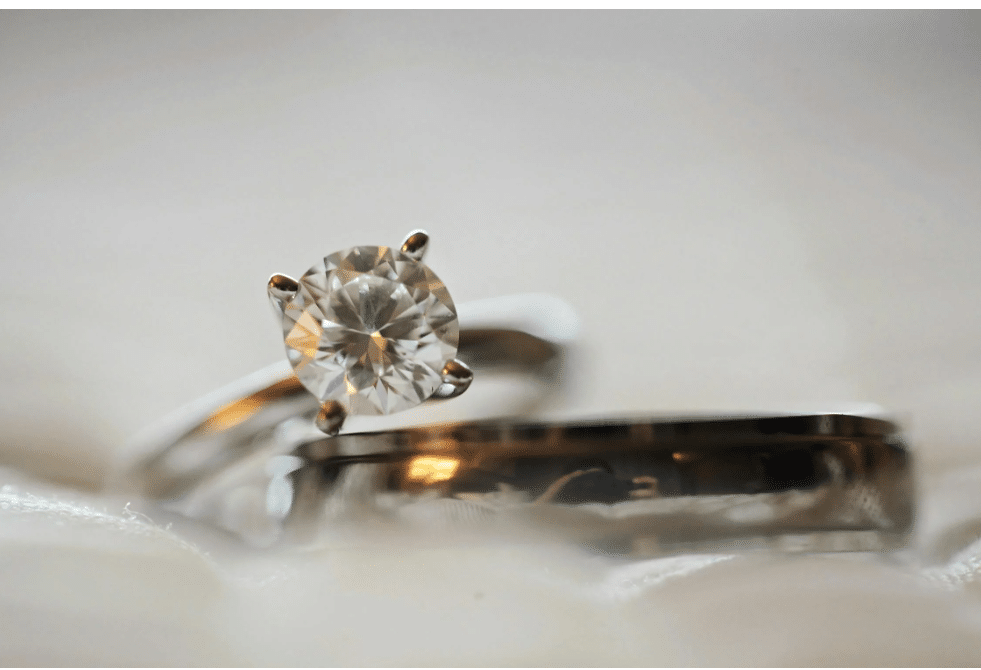
2. How Long Does the Whole Process Take?
This is perhaps one of the most common concerns people have, and the good news is that it happens much more quickly than most people think.
When working with a reputable online diamond buyer, the process looks like this: the details and pictures are submitted online, and an estimate is usually received the same day. The item is shipped via an insured label, and the appraisal happens the next business day after it arrives with the buyer. Once the offer is accepted, the money is sent out the same day.
The whole process from start to finish can be completed in as little as 48 hours, which is much quicker than the consignment process that can take months with no guarantee of a sale.
3. Is It Really Safe to Ship Jewelry?
Naturally, this is where many sellers are hesitant, and it’s a legitimate concern.
The short answer, however, is yes, as long as the right carrier and the right coverage are in place.
Reputable diamond buyers offer fully insured FedEx shipping labels, which cover the item from the moment it leaves the seller’s hands. This means that, in the event of anything happening during shipping, the item is protected.
This is one of the few major carriers that actually covers high-value jewelry shipments, and that’s why reputable buyers use it by default. If a seller is ever asked to ship an item without insurance or without coverage, then that’s a major red flag.
For those who don’t wish to ship, in-person appointments in cities such as New York are available.
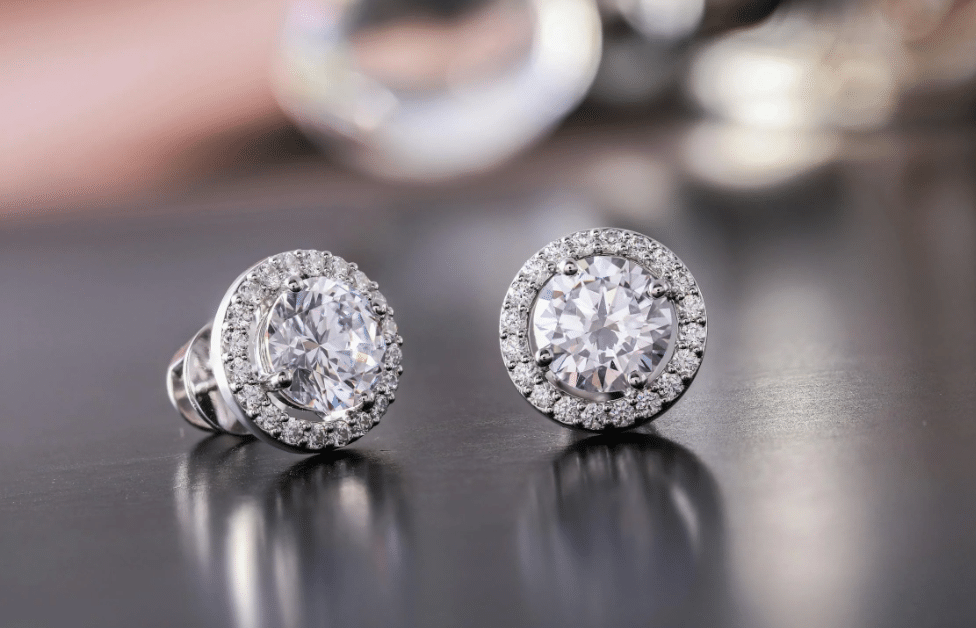
4. Does a GIA Certificate Increase the Payout?
Yes, and meaningfully so.
A GIA certificate provides a buyer with a clear record of a diamond’s specifications, eliminating guesswork from the equation. As a result, it is easier to price a certified stone, making it easier to resell, and therefore, a buyer can offer more for it.
However, it is worth noting that a seller should not despair if a stone is not certified, as a seasoned diamond buyer can accurately assess an uncertified stone and still offer a fair price.
5. What Kind of Price Range Can a Seller Realistically Expect?
It varies widely depending on the stone and the item, so it’s hard to provide an exact figure.
Anyone providing an exact figure, such as a flat percentage, without seeing the item, should be viewed warily. In general, sellers can expect to receive a portion of the retail price, with the final figure depending on the diamond’s quality, size, and current market conditions.
Larger stones, fancy colored stones, and signed designer pieces tend to attract stronger offers. A one-carat round brilliant in a standard setting will receive less than a three-carat cushion cut GIA certificate, even if they appear identical to an untrained eye.
The best way to get an idea of what an item is worth is to have a specialist buyer assess it and provide an actual figure rather than a guess.
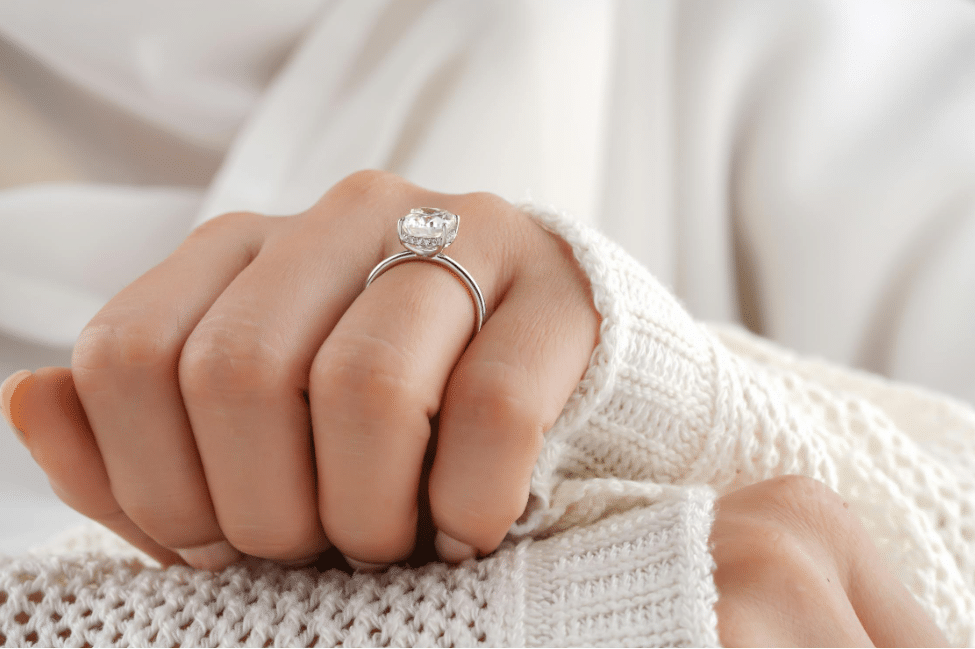
6. Are Online Diamond Buyers Better Than Local Jewelers?
For most sellers, yes. Local jewelers typically offer lower prices because they face high retail overhead and a limited customer base to resell to. An online specialist buyer, by contrast, operates leaner and distributes across a much broader network, which means they can afford to pay more and still turn a profit.
That said, local stores do have one genuine advantage. Sellers can walk out with cash the same day. If immediate in-hand payment is the top priority, a local buyer may be the right fit. For everyone else, an online specialist will almost always deliver a stronger offer.
7. What Happens If the Offer Gets Declined?
Nothing, and that’s exactly how it should be.
A good buyer should offer to return goods for free, with fully insured mail, and no fee charged for the appraisal or estimate. There should be no penalties for saying no, no pressure to say yes, and no fee charged for simply going through the motions.
A buyer should not charge an appraisal fee up front, nor should they make returning goods conditional in any way.
Bottom Line
Selling a diamond doesn’t have to be a complicated or stressful process.
The right diamond buyers are transparent about their process, clear about their pricing, and protect the item from the moment the seller works with them. Knowing the basics about the diamond, asking about insurance and certification, and avoiding buyers who rush the process or give evasive answers about pricing are all steps in the right direction.
Working with GIA-trained specialists who evaluate the item on its own merit gives the seller the best opportunity to walk away with a fair and competitive price.