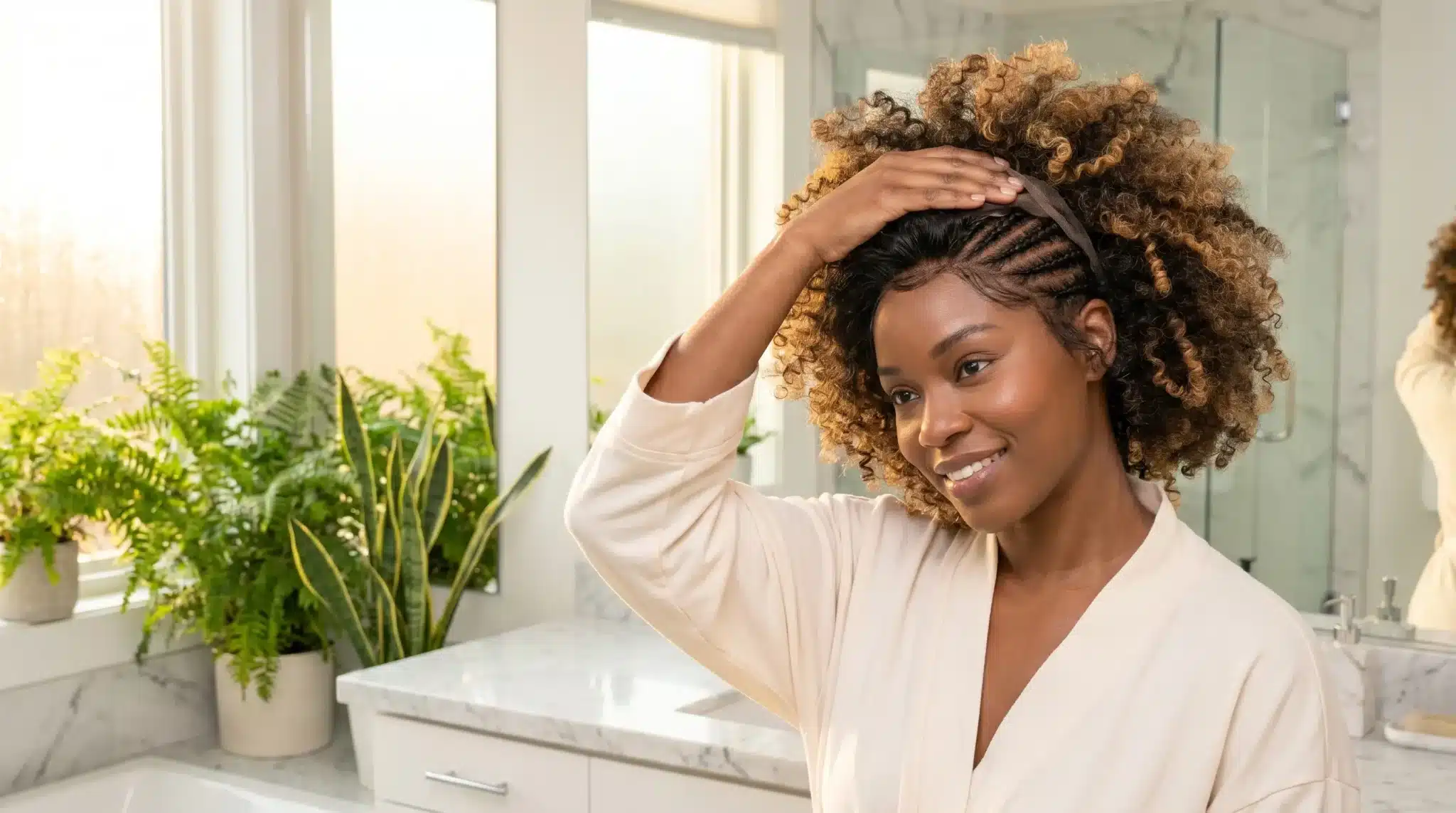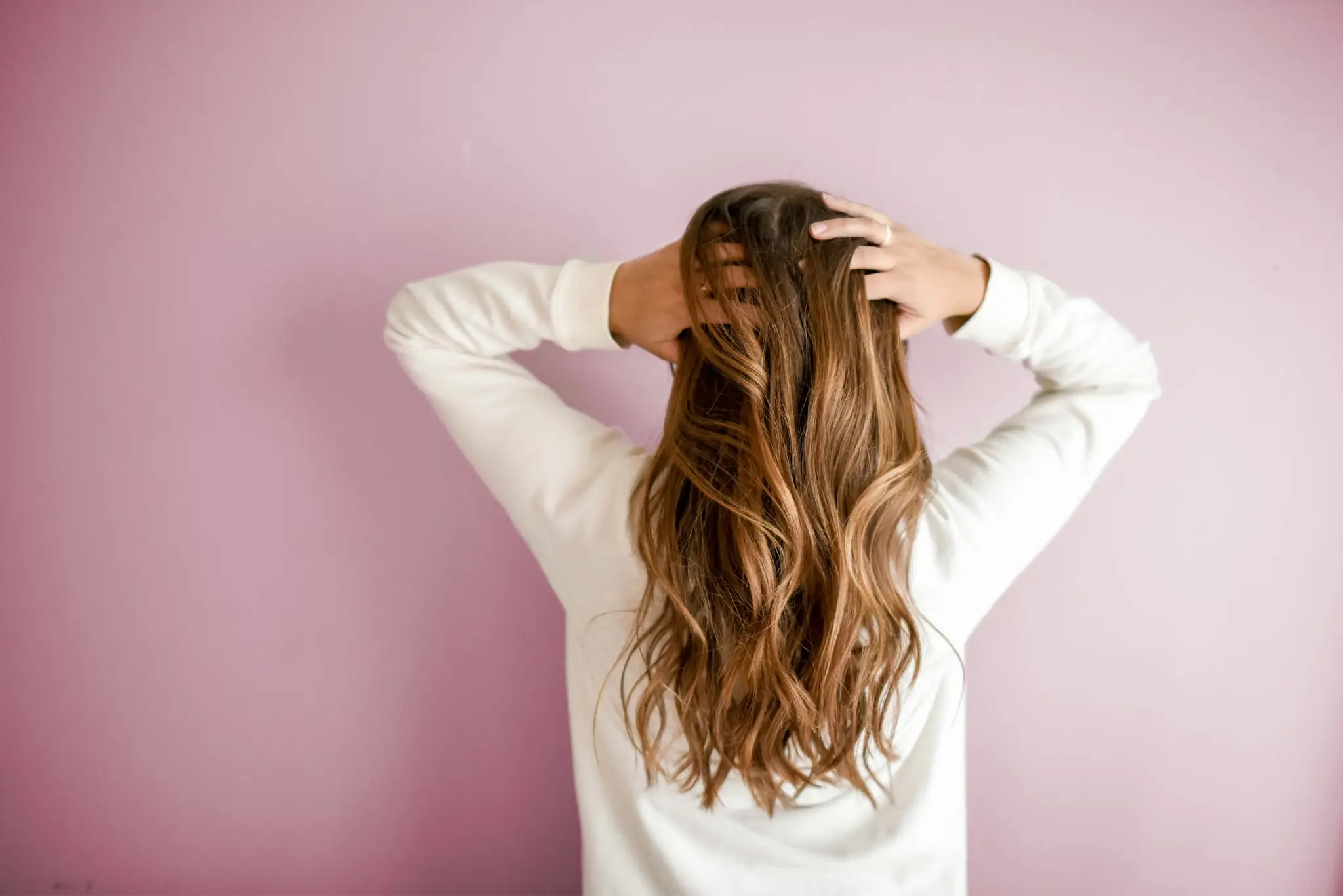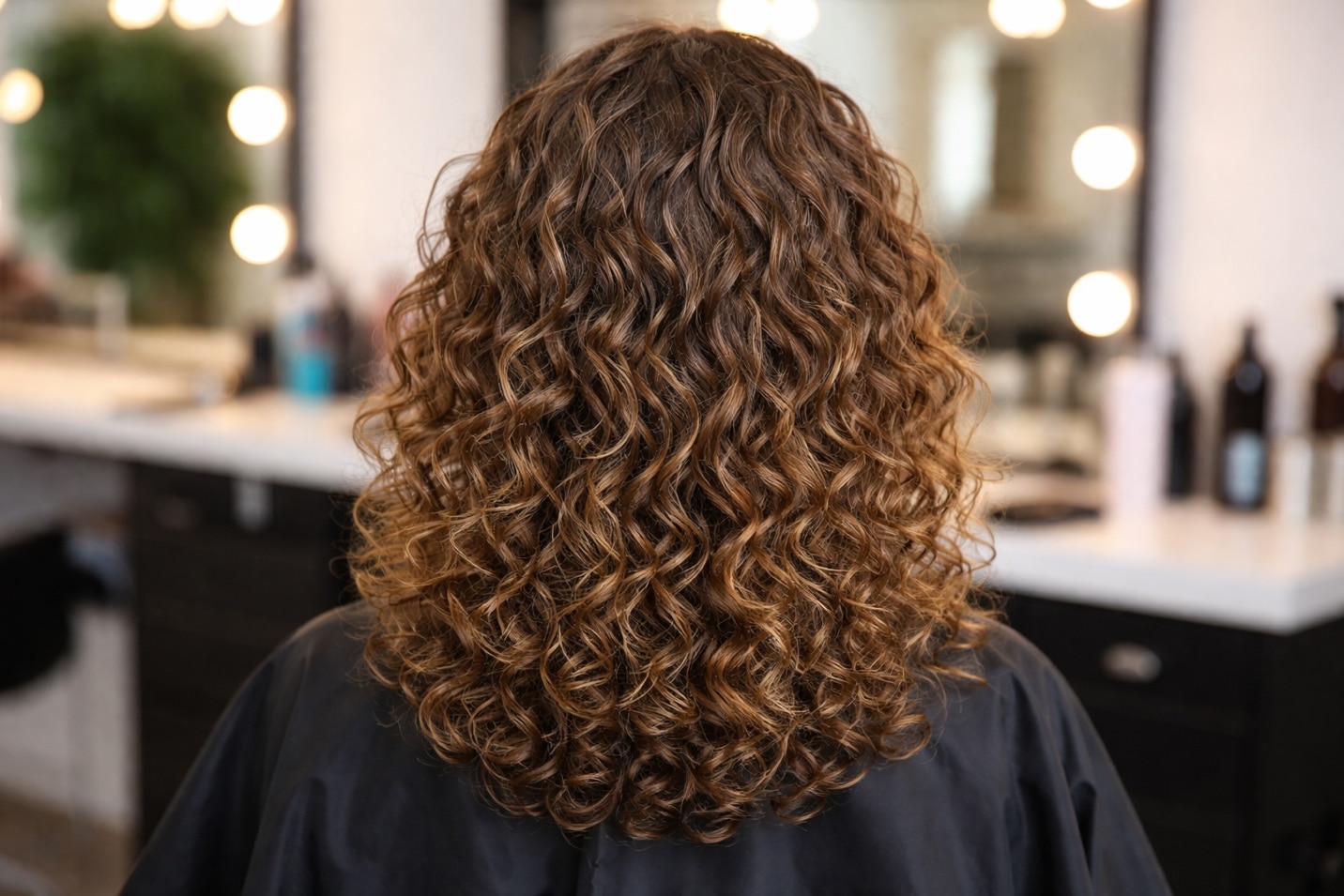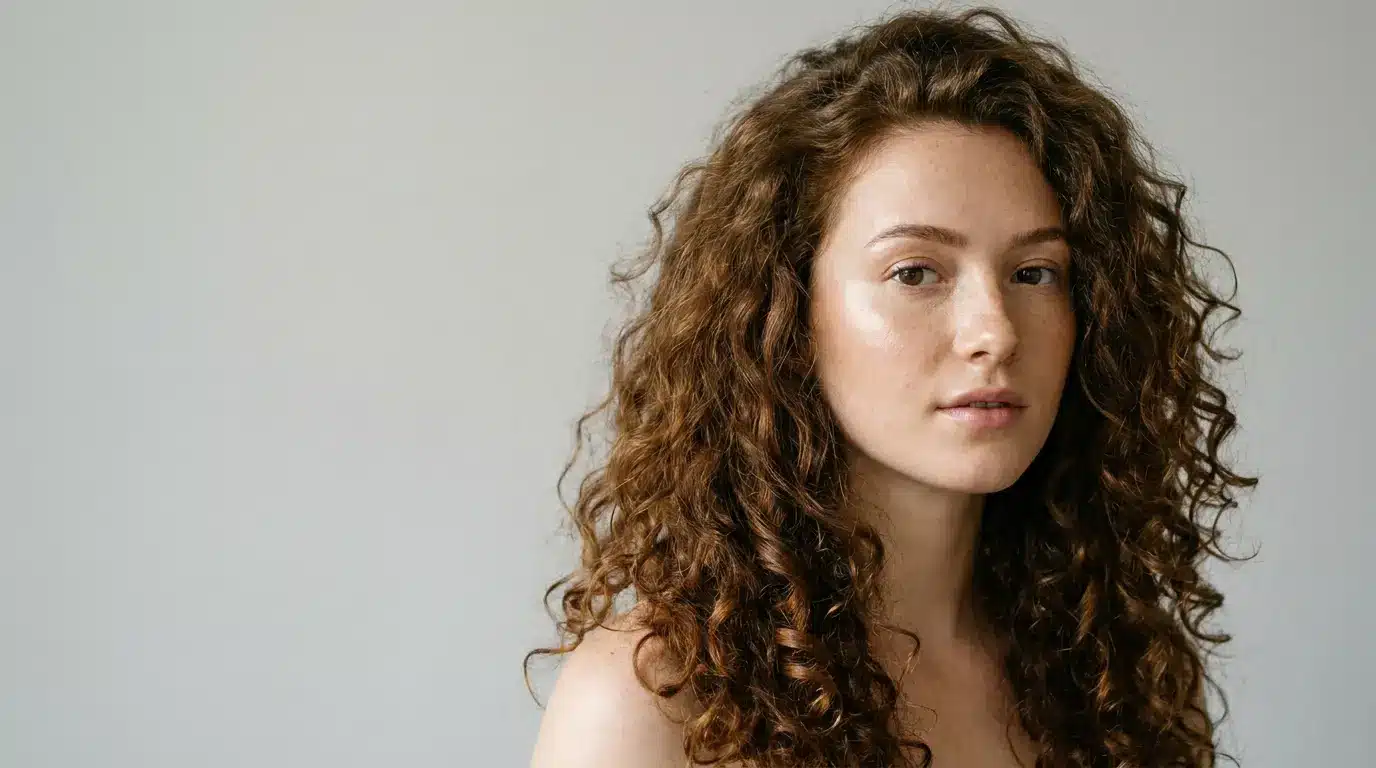
Have you noticed your hair looks straight on top but curly underneath? That mix of textures has a name now: Irish curls.
It does not mean you need Irish roots to have this hair type. It just means your hair grows in more than one pattern at the same time.
Some people spot straighter hair at the crown and waves or curls hiding below. Others only notice it after they skip brushing for a day.
Below, you will find what Irish curls are, why they happen, how to tell if your hair fits this pattern, and simple tips for caring for and styling them well.
What Are Irish Curls?
Irish curls describe a hair pattern where different parts of your head have different textures.
Usually, the top layer of hair looks straighter or has loose waves, while the layers underneath show more curl or wave definition.
This is not an official scientific curl type. It is a popular term used online and by hairstylists to describe a common mixed texture pattern.
Many people have more than one curl pattern on their heads without even realizing it until they stop brushing or heat-styling their hair.
What Do Irish Curls Look Like?
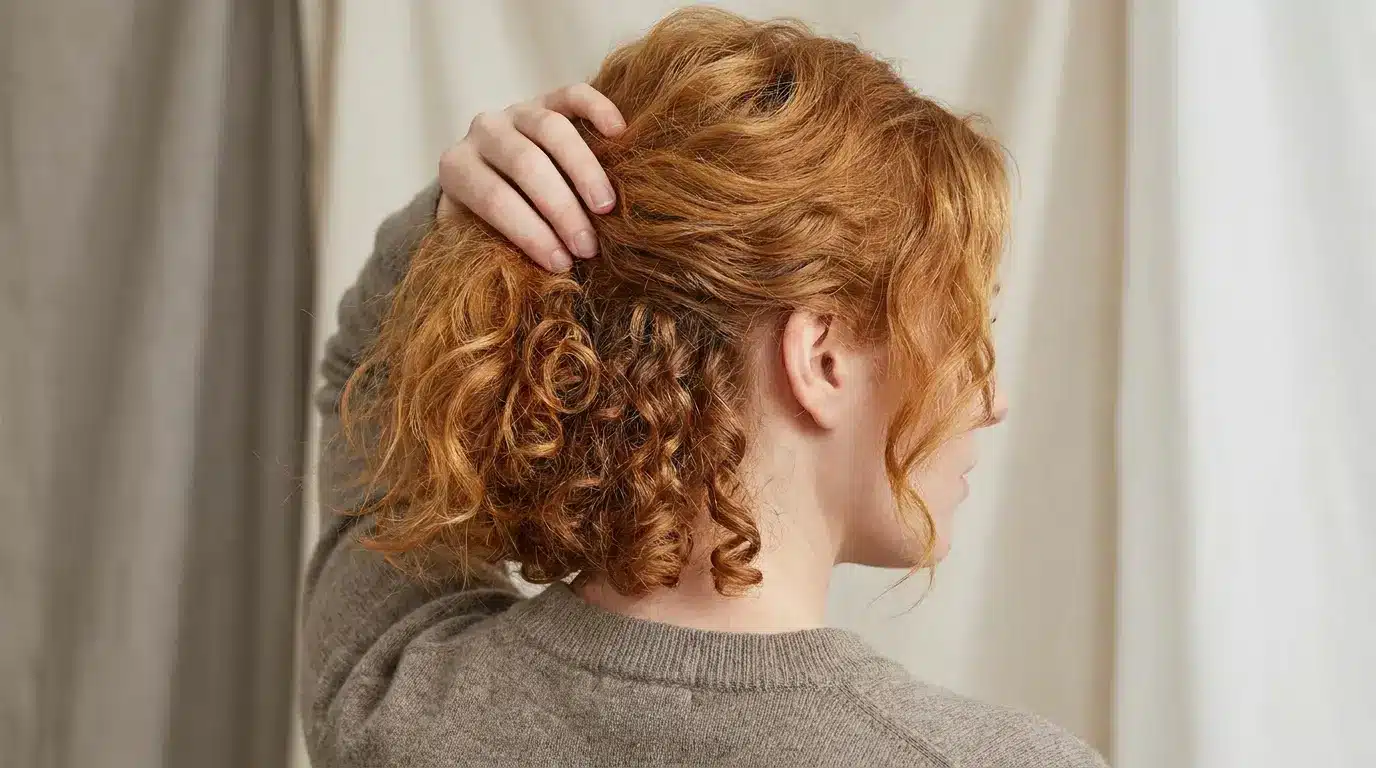
Irish curls can be easy to miss because they don’t form the same way throughout the hair. Many people think they have mostly straight or wavy hair until they let it air dry naturally.
The different textures become much more noticeable once the hair dries without being brushed. People with Irish curls often notice:
- A straighter or flatter crown area
- Loose waves through the middle layers
- More defined curls underneath, close to the scalp or neck
- Different textures become visible after air drying without brushing or heat styling
Here’s a quick look at it:
The curl pattern isn’t uniform from root to tip, which gives Irish curls their unique appearance. This mix of textures is what makes them stand out.
| Feature | Irish Curls |
|---|---|
| Top layer | Straight or loose waves |
| Under layers | More defined waves or curls |
| Curl pattern | Mixed texture |
| Common look | Flat roots with hidden curls underneath |
Because the curls are often hidden beneath straighter layers, many people don’t realize they have Irish curls for years. The natural pattern usually becomes easier to see with the right hair care routine.
Common Types of Irish Curl Patterns
Irish curls do not have official categories, but they can show up in a few common ways. The biggest difference is where the curls appear and how much texture changes across the head.
- Straight on Top, Curly Underneath: This is the pattern most people associate with Irish curls. The top layer looks mostly straight or slightly wavy, while the underlayers form noticeable waves or curls.
- Wavy Top, Curly Bottom: Some people have loose waves throughout the crown and midsection, with tighter curls at the ends. The contrast is softer but still easy to notice after air drying.
- Mixed Curl Patterns Throughout: Instead of having curls only underneath, some people have different curl patterns across the entire head. One section may form loose waves while another develops tighter curls, making styling a little more challenging.
- Heat-Changed Mixed Texture: In some cases, the natural curl pattern is hidden because the top layers have been repeatedly heat-styled or chemically treated. As healthier hair grows in, the difference between the straighter and curlier sections becomes more noticeable.
No two heads of hair look exactly alike. These are simply the most common ways people describe Irish curls rather than official hair types.
Is This a Real Curl Type or Just a Trend Name?
Irish curls are not part of the official hair-typing system, which uses categories such as Type 2, Type 3, or Type 4. Instead, it is a descriptive term people use for a texture pattern they notice on their own hair.
It helps to know the difference between a hair type and a texture pattern. A hair type usually refers to one main curl pattern across the head.
A texture pattern can describe how different sections of the same head behave differently. Many people have more than one pattern without realizing it, and Irish curls are just a simple way to describe that mix.
What Causes Irish Curls?
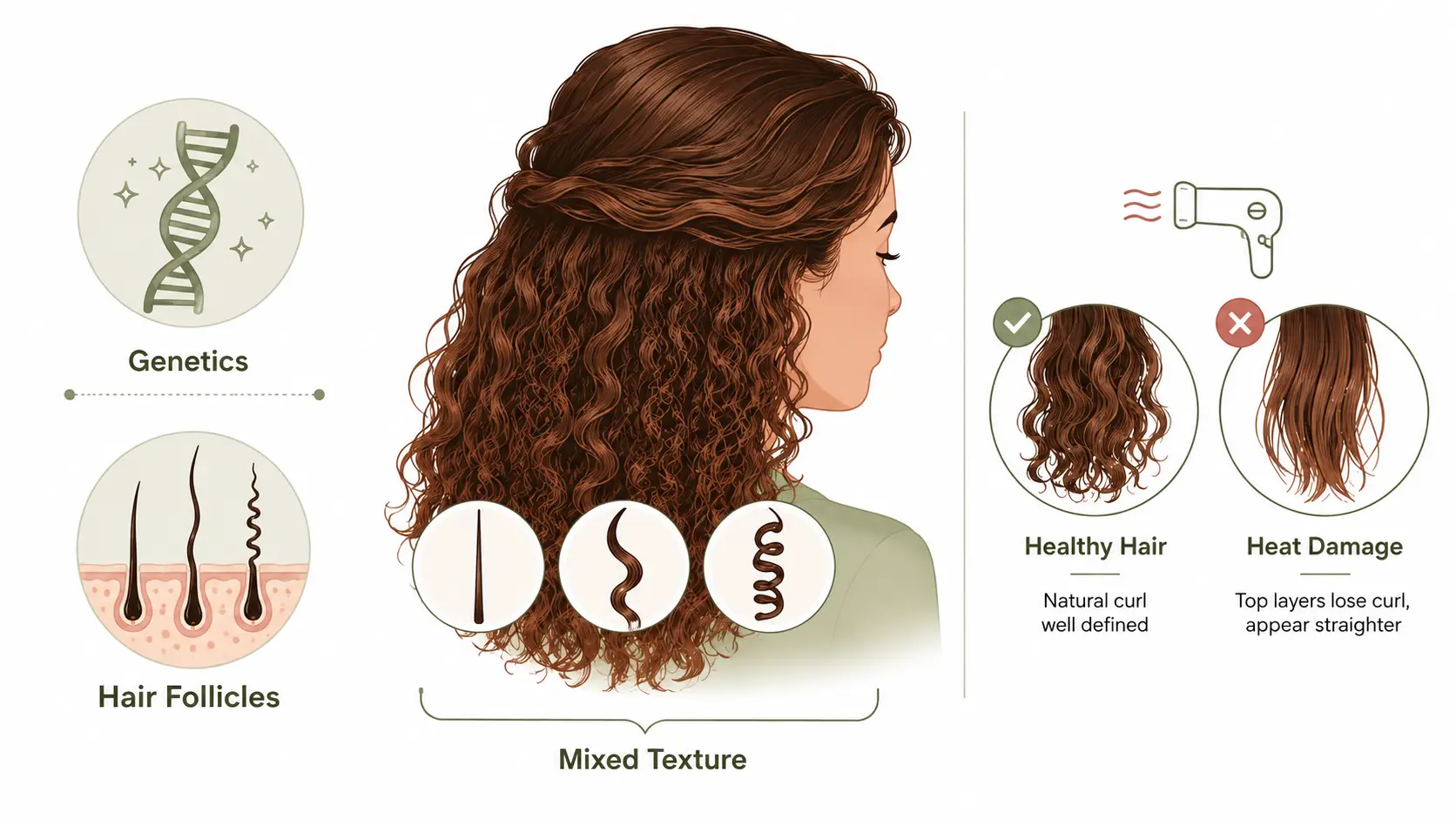
Irish curls happen because different parts of your scalp can naturally produce different hair textures. In most cases, it’s simply how your hair grows rather than something you’ve done to it.
1. Genetics and Hair Follicle Shape
Your genes determine the hair growth pattern, and the shape of your hair follicle plays a big role in whether a strand grows out straight, wavy, or curly.
Since follicle shapes can vary across your scalp, it makes sense that some strands end up straighter while others curl more.
2. Different Hair Patterns on the Same Scalp
It is common for one part of the scalp to grow straighter hair while another part grows curlier hair, since hair follicle structure can vary even within a single head, as explained in the NIH review on hair follicle biology.
This is how hair follicles are arranged in some people, and it is completely normal.
3. Heat and Chemical Damage Can Change Texture
Heat styling, bleaching, and chemical straightening treatments can loosen the natural curl in your hair.
Because these treatments often affect the top layer the most, that layer may end up looking straighter than the layers underneath that have not been damaged as much.
How to Know If You Have Irish Curls?
Irish curls are often overlooked because the curl pattern isn’t obvious when the hair is brushed or heat styled.
Looking at your hair in its natural, air-dried state is the easiest way to spot the mixed texture. Here are some signs that point to this hair type:
- Your top layers look straighter than the hair underneath
- Curls show up clearly after washing, with no styling products or heat used
- The bottom layers form waves or curls, while the crown area stays flatter
- Different parts of your hair seem to need different styling routines
- Brushing makes your curls disappear completely
Quick Test You Can Try
A simple air-dry test can help reveal your natural hair pattern. It only takes one wash to see if different sections behave differently.
How to Do the Test
- Wash your hair and skip styling products.
- Let your hair air dry without touching it too much.
- Once it’s dry, compare different sections of your hair to see whether some areas are straighter while others are curlier.
What the Results Mean
If you notice both straighter and curlier sections, you likely have a mixed curl pattern. If the difference between sections is especially noticeable, your hair may match what people commonly describe as Irish curls.
Irish Curls Hair Type Compared to Other Curl Patterns
Irish curls don’t fit neatly into a single curl category because the texture changes across different parts of the scalp. Comparing them with other hair types makes it easier to see what sets them apart.
| Hair Pattern | Appearance | Main Difference |
|---|---|---|
| Irish curls | Mix of straight, wavy, and curly sections | Different textures on one head |
| Wavy hair | Loose S-shaped pattern | Waves are usually consistent throughout |
| Curly hair | Defined spirals through most of the hair | The curl pattern stays similar across sections |
| Coily hair | Tight curls or coils | Curls are smaller and packed closer together |
No hair type is better than another, and each has its own care needs. Irish curls stand out because they combine multiple textures in the same head of hair.
Once you know your hair has more than one texture, your care routine should reflect that to keep your spirals thriving.
How to Care for Natural Irish Curly Hair
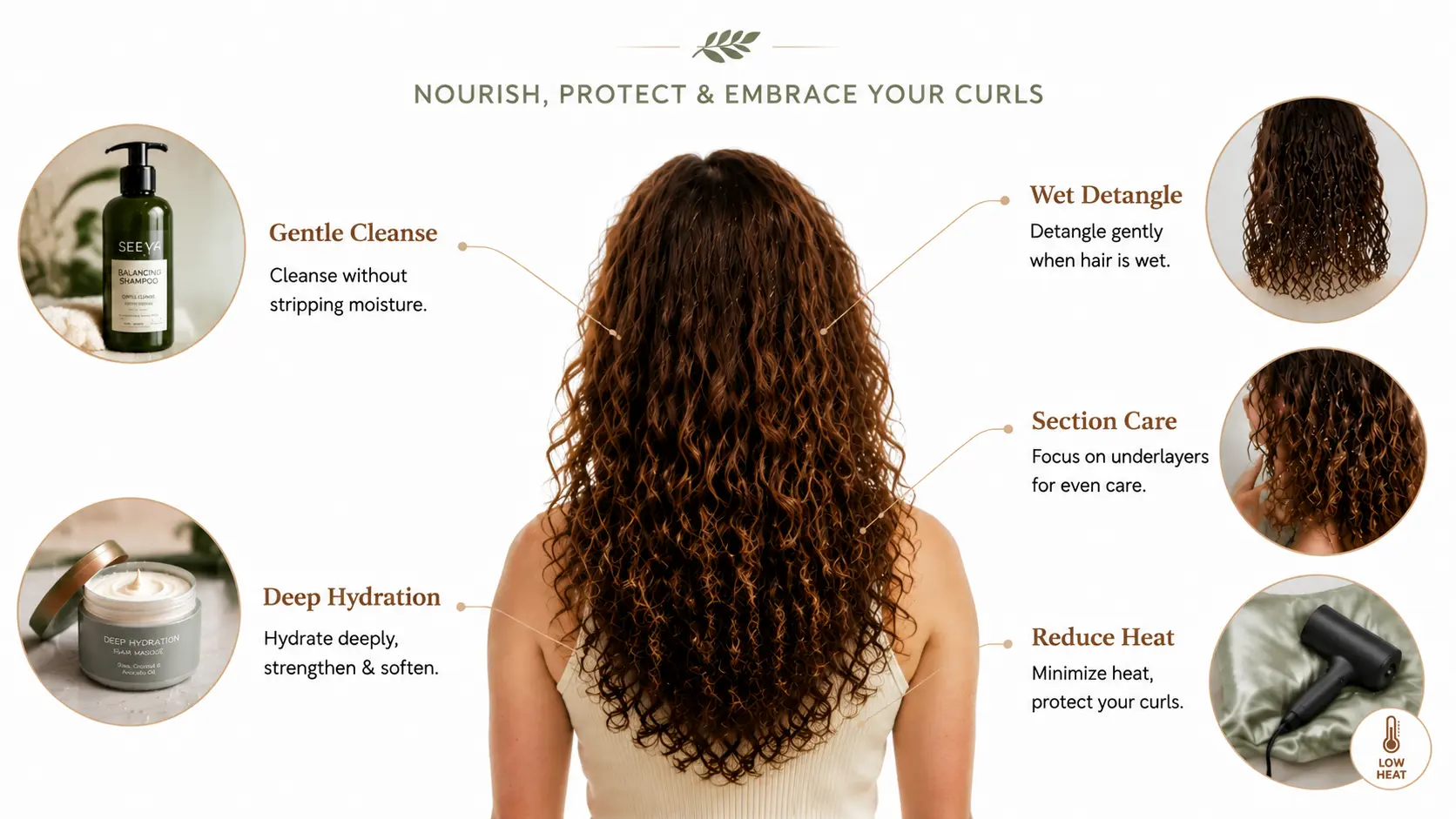
Healthy hair is the foundation for bringing out your natural curl pattern. A consistent care routine helps both the straighter and curlier sections stay balanced and hydrated, making them easier to manage.
- Use a Gentle, Moisturizing Shampoo: Choose a gentle shampoo that cleans your scalp without stripping away natural oils. If your hair feels dry, washing two or three times a week is often enough to keep it clean while maintaining moisture.
- Keep Your Hair Hydrated: Irish curls often have curlier sections that dry out faster than the straighter layers. Use a lightweight conditioner after every wash, and add a deep-conditioning treatment once a week if your hair feels dry or frizzy.
- Detangle While Hair Is Wet: Always detangle your hair while it is wet and coated with conditioner. Use your fingers or a wide-tooth comb to gently remove knots without disrupting your natural curl pattern.
- Care for Each Section Individually: Since your hair has multiple textures, different sections may have different needs. Give extra moisture to the curlier underlayers while using lighter products on the straighter top sections to keep your hair balanced.
- Minimize Heat and Friction: Frequent heat styling and harsh treatments can loosen your curl pattern over time, so building better everyday hair habits like sleeping on a silk or satin pillowcase can cut down on friction and frizz.
Consistently taking care of your hair makes styling much easier later on. Healthy, well-moisturized hair is more likely to show its natural texture and stay manageable throughout the day.
Best Styling Tips for Irish Curls
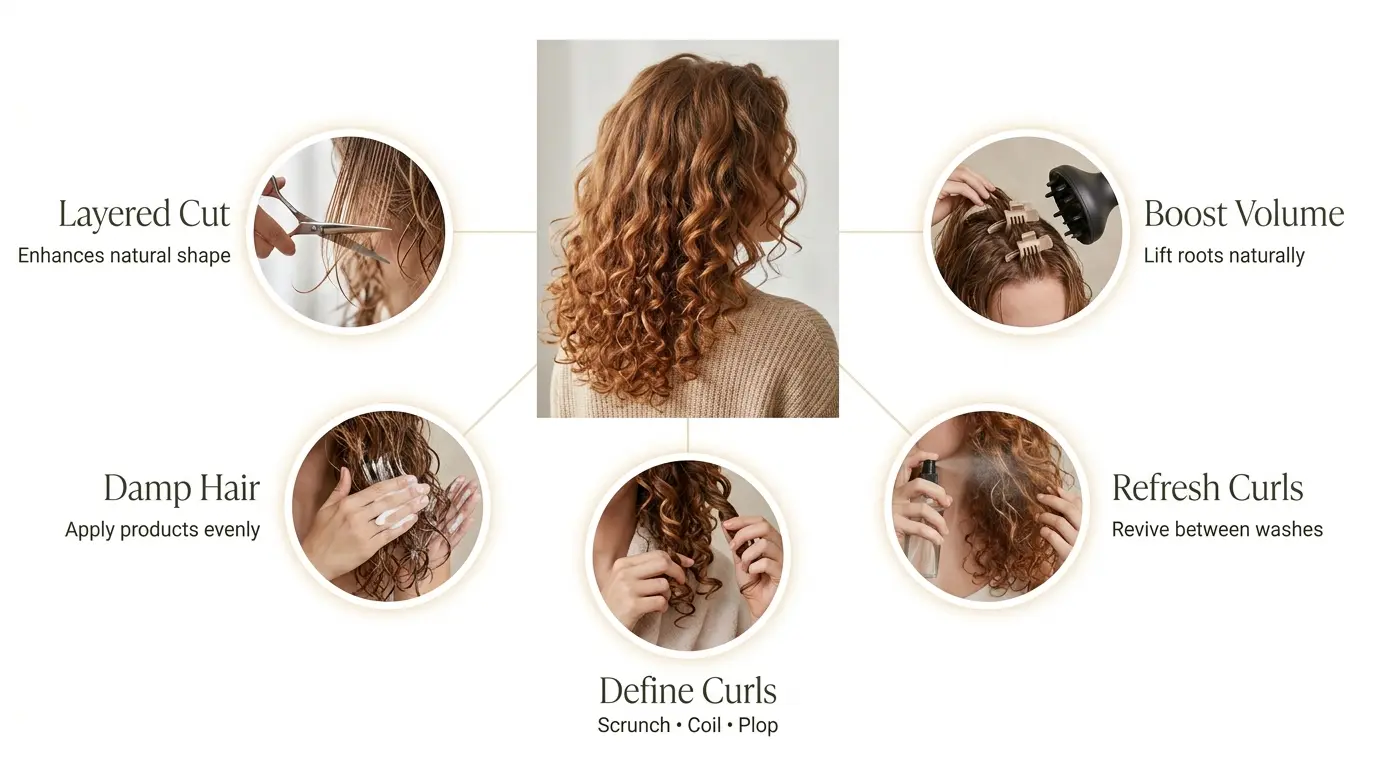
Styling Irish curls is all about working with your mixed texture instead of trying to make every section look the same. The right techniques can create a more balanced look while helping your natural curls stand out.
1. Choose a Haircut That Enhances Your Texture
A layered haircut can help bring out curls hiding underneath, and choosing a cut that suits your texture makes a real difference in how your hair falls.
Styles like long layers, shag cuts, or soft face-framing layers usually work better than one-length cuts.
A good haircut also makes the transition between the straighter and curlier sections look more natural.
2. Apply Styling Products to Damp Hair
Your curls form best when products are applied to damp hair. Apply a lightweight curl cream or gel before your hair starts drying so the curlier sections can hold their shape.
Distribute the product evenly by gently raking it through your hair before scrunching.
3. Use Curl-Enhancing Techniques
Simple styling methods can make a noticeable difference in curl definition. These techniques help encourage your natural curl pattern without relying on excessive heat.
- Scrunch your hair to encourage curl formation.
- Finger coil sections that need extra definition.
- Plop with a microfiber towel or cotton T-shirt to reduce frizz.
- Diffusing on low heat can add volume while maintaining the natural pattern, and choosing the right ingredients for your hair helps these techniques actually pay off.
4. Add Volume to the Crown
Because the top layer is often straighter, the crown can sometimes look flat. Try diffusing your hair upside down or using root clips while it dries to create more lift at the roots.
Adding volume at the crown helps the straighter top layers blend more naturally with the curlier hair underneath.
5. Refresh Your Curls Between Washes
Instead of washing your hair every day, revive your curls by lightly misting them with water or using a lightweight curl refresher spray.
Gently scrunch the curlier sections to bring them back to life without restarting your routine. The best styling routine is one that works with your natural texture rather than against it.
With a few simple techniques, you can make both the straighter and curlier sections look more defined and balanced.
Common Mistakes When Styling Irish Curls
Because Irish curls have multiple textures, they usually require a more flexible styling approach. A routine that works for one section of your hair may not work as well for another.
- Using the same products and styling routine on every section of your hair
- Applying heavy products all over instead of only where extra moisture or curl definition is needed
- Brushing your hair after it has completely dried can break up the curl pattern
- Using heat styling too often, making the straighter and curlier sections look even more uneven
- Assuming your hair is entirely straight or entirely curly instead of working with its mixed texture
Treating each section according to its needs can make your hair look more balanced and easier to manage. Small changes in your routine often make a noticeable difference.
Do You Have to Be Irish to Have Irish Curls?
No. The name comes from a popular trend, not a rule about ancestry. People from all kinds of backgrounds can have this mixed texture pattern.
Your genetics and the shape of your own hair follicles play a much bigger role than where your family is from.
Similar mixed-curl patterns can appear in people from many different ethnic backgrounds.
The term “Irish curls” is simply a nickname used online to describe this particular combination of straight, wavy, and curly hair on the same head.
Conclusion
Irish curls describe hair with more than one texture at once. Straighter layers on top and curlier layers underneath are common signs of this pattern. It has nothing to do with your background or family roots.
Once you know your hair works this way, you can pick products and styling steps that fit each section instead of using the same routine everywhere. Try the wash-and-air-dry test above to see your natural pattern clearly.
With the right care, your curls can look fuller and more defined. Get to know your hair and let its true pattern show through.
Frequently Asked Questions
Are Irish Curls a Real Curl Pattern?
They are not an official curl category, but they do describe a common mixed texture pattern that many people have.
Why Is My Hair Curly Underneath but Straight on Top?
This usually happens because of genetics, past damage, or your styling history. Different sections of your scalp can grow hair with different textures.
Can Irish Curls Become More Defined?
Yes. Using the right moisture, styling techniques, and haircut can help bring out more definition in your curls over time.
Are Irish Curls the Same as Wavy Hair?
No. Wavy hair usually has a single consistent pattern, whereas Irish curls involve more than one texture on the same head.