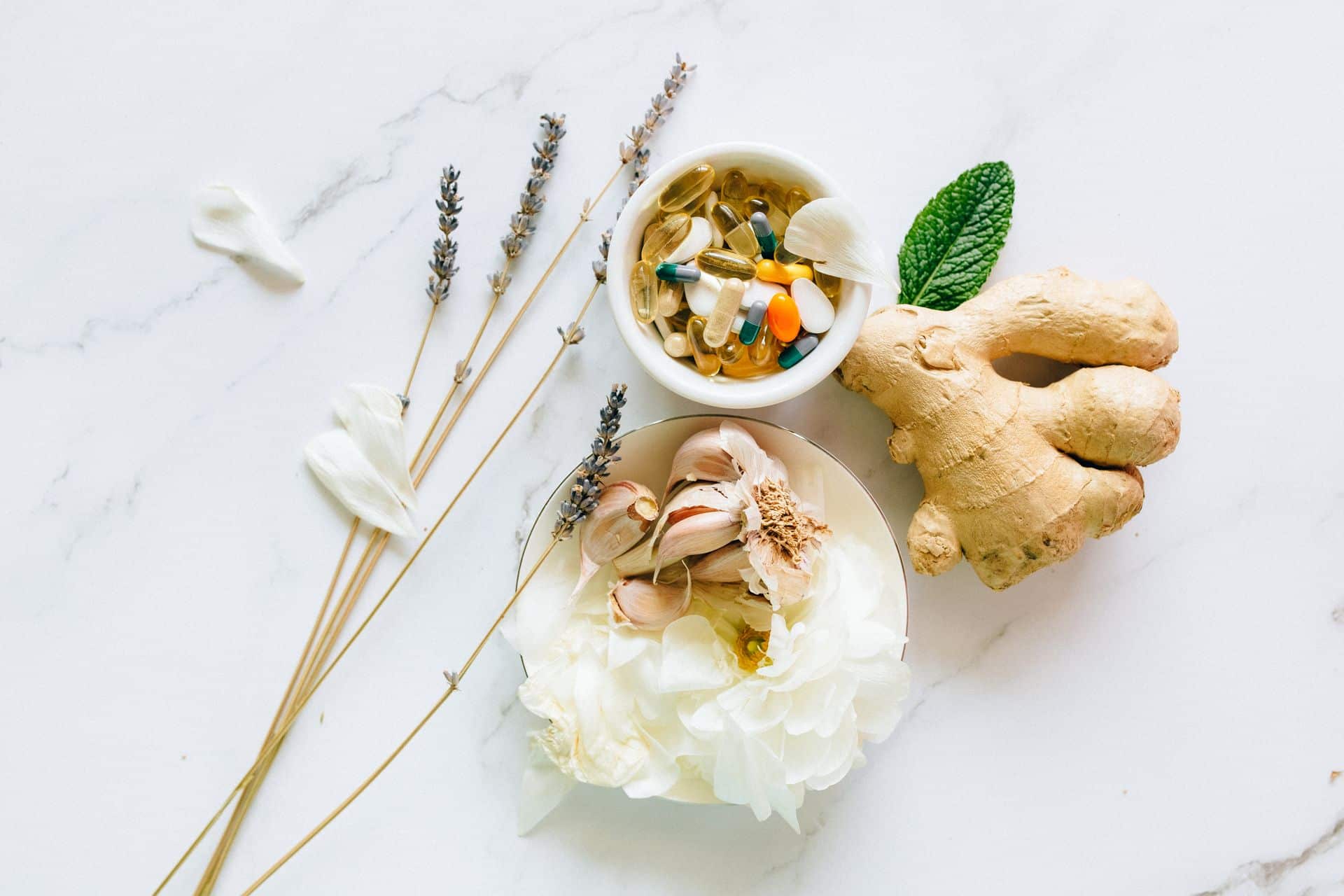
You’ve tried every shampoo, every mask, every oil. So why does your hair still feel… meh, flat at the roots, dry at the ends, and weirdly unimpressed by all that effort?
Most routines get built around product types (a “volumizing” shampoo, a “repair” conditioner, a miracle serum), but hair nourishment doesn’t really work that way. What matters is what’s actually inside the bottle, especially the ingredients that support your scalp, because your hair follicles can’t produce healthy-looking hair in a stressed-out environment.
And here’s the kicker: most people are completely neglecting their scalp. They’re focusing on the hair they can see while ignoring the environment where new hair is actually forming.
This guide is your no-fluff checklist for building a routine that makes sense at the ingredient level. You’ll learn what to look for (including peptide standouts like zinc thymulin and GHK-Cu) and what to use carefully, so you can stop product-hopping and start making smarter decisions that support hair health from root to tip.
Why Ingredients Matter More Than Product Type
It’s easy to fall into the product trap. You buy a “strengthening conditioner” or a “thickening shampoo,” use it for two weeks, and then wonder why nothing really changes. The problem isn’t that those categories are useless; it’s that the category name doesn’t tell you what you’re actually getting.
Active ingredients do the heavy lifting. Marketing claims just tell a story.
Think about skincare. You wouldn’t pick a moisturizer purely because it says “anti-aging skincare” on the front. You’d want to know if it contains ingredients that actually support collagen formation, hydration, or antioxidant defense.
Hair care is the same. If you want fuller-looking hair, better density, and healthier-looking strands, you need ingredients that support the scalp environment and the hair shaft.
That’s why reading labels matters more than choosing between “mask vs. conditioner” or “oil vs. serum.” Once you understand which ingredients support the appearance of hair growth, strength, moisture, and protection, you can make almost any routine work—without buying a dozen products.
So what should you actually look for? Start with the checklist below.
The Essential Ingredient Checklist
For Scalp Health and Foundation
If you want better hair, you start at the scalp. Your scalp is living skin, subject to oil imbalance, irritation, buildup, and inflammation. And when the scalp is off, your hair follicles are the first to feel it.
Here are scalp-focused ingredients that show up in modern formulations for a reason:
Peptides: Zinc Thymulin + GHK-Cu (Copper Peptide)
- Zinc thymulin works by supporting your scalp’s natural balance. Zinc plays a behind-the-scenes role in tons of biological processes. It helps enzymes do their job, supports your skin’s protective barrier, and acts as an antioxidant. When you apply it topically to your scalp, it creates a healthier environment for your hair follicles, much like optimizing the “soil” where your hair grows.
- GHK-Cu has been studied for decades in wound healing and skin repair. Copper helps support collagen production and tissue renewal, which is why it’s become popular in scalp serums. When applied to your scalp, it helps create conditions that support thicker-looking, healthier-looking hair over time.
Products like InfiniWell’s DUO combine GHK-Cu and zinc thymulin in one scalp serum, targeting nourishment right at the follicle level. If you’re trying to simplify your routine, this kind of peptide-forward product works as your foundation step, especially if your current routine is all styling, no scalp care.
But take note: These peptides aren’t miracle workers that make hair sprout overnight. Instead, they support a calmer, healthier scalp environment, so your follicles can do what they’re supposed to do without working against imbalance or stress.
Niacinamide
Niacinamide is a steady, no-drama ingredient that supports skin balance. On the scalp, it helps with oil regulation, soothes irritation, and supports a healthier-looking scalp barrier. That means less grease, less itching, less tightness, and hair that looks better right at the roots.
Caffeine
Topical caffeine is popular for a reason. It stimulates circulation and supports the appearance of thicker, more energized-looking roots. If your hair tends to look limp or flat at the scalp, caffeine is a smart add, especially in leave-on products where it has time to work.
For Strength and Structure
Once hair leaves the scalp, it’s technically dead. That means “repair” is really about reinforcing what’s there: patching up damage, strengthening the shaft, and preventing new breakage.
- Keratin (and hydrolyzed proteins): Hair is made of keratin, so it makes sense that keratin-based ingredients show up in strengthening products. Hydrolyzed keratin and other proteins temporarily fill in weak spots along the hair shaft, reducing roughness and making hair feel smoother and less fragile.
- Biotin: Biotin shows up everywhere, from shampoos and conditioners to supplements. Topically, it’s more of a supporting player than a star. If you like it, keep it, but don’t rely on biotin as the only pillar of your routine.
- Amino acids: Amino acids are the building blocks of protein—and therefore, hair. In hair care, they help with softness, manageability, and resilience, especially if you heat style, color treat, or deal with frequent breakage.
For Moisture and Hydration
Dryness is one of the fastest ways to make hair look dull, frizzy, and lifeless. Hydration is also where a lot of routines go wrong. You either overload on heavy butters and oils (hello, limp hair), or you strip everything away with harsh cleansers and then chase moisture forever.
Hyaluronic Acid
Yes, hyaluronic acid works in hair care, too. It grabs and holds water, helping hair feel more hydrated and pliable, especially in leave-in products.
Glycerin
Glycerin is a classic humectant that attracts water. It’s great for softness and elasticity, but your climate matters. In humid weather, glycerin-heavy products can turn into a frizz amplifier. In dry weather, you’ll want to pair glycerin with an oil or conditioner to lock moisture in.
Natural Oils (Argan, Jojoba, Coconut)
- Argan: Adds shine and softness, often lightweight.
- Jojoba: Mimics scalp sebum, so it feels natural on hair.
- Coconut: Great for some hair types but can feel heavy or greasy on others.
Oils don’t hydrate by adding water. They seal and smooth what’s already there. They’re your topcoat, not your moisturizer.
For Protection and Damage Defense
Your hair doesn’t just “age” because time passes. It ages because it gets stressed. UV exposure, heat tools, mechanical friction, and chemical processing all add up.
- Antioxidants (vitamin E, green tea extract): Oxidative stress isn’t just skincare talk. Antioxidants protect against environmental damage like pollution and sun exposure, even the stress from heat styling. They help both hair and scalp handle daily environmental assault.
- Silicones (when used right): Silicones are not the enemy. Used well, they’re excellent for slip, shine, detangling, and heat protection, basically reducing the friction that causes breakage. The key is using a cleanser that prevents buildup and choosing formulas that don’t leave your hair feeling heavy or coated.
- UV filters: If you spend time outdoors, UV filters protect hair color and prevent that dry, crispy texture that sun exposure causes. It’s one of the most underrated steps for maintaining healthy-looking hair.
If you build your routine around these four buckets (scalp health, strength, moisture, and protection), you’ll cover what actually moves the needle on day-to-day hair quality.
Ingredients to Avoid or Use Carefully
“Avoid” is a strong word in hair care. A better approach is to understand what to use carefully based on your scalp, texture, and styling habits.
- Sulfates: Sulfates can be great cleansers, especially if you have an oily scalp or heavy product buildup. But if your scalp is dry, sensitive, or your hair is color-treated, frequent sulfate use can leave you feeling stripped and squeaky (not in a good way).
- Heavy silicones: Silicones are protective, but some types are more prone to buildup, especially if you co-wash or use mild cleansers. If your hair feels coated, limp, or like it “won’t absorb anything,” buildup might be the issue.
- Drying alcohols: Not all alcohols are bad. Fatty alcohols like cetyl and stearyl are actually smoothing. The ones to watch are short-chain alcohols (like denatured alcohol or SD alcohol) that can make hair feel brittle over time, especially if your hair is already dry.
- Parabens: Parabens are preservatives that some people prefer to avoid. Fair enough. But the bigger point? Preservation matters. Hair products sit in warm, humid bathrooms and get exposed to water. You want a formula that’s safely preserved, whether that’s with parabens or something else.
The takeaway: Instead of collecting “bad ingredient” lists, learn your hair type and watch how your scalp and strands respond over 2–4 weeks. Your hair will tell you the truth faster than a label trend will.
Ready to Build a Smarter Routine?
Your hair doesn’t need more products. It needs the right ingredients working together, from scalp to ends. Once you understand what peptides, proteins, humectants, and protectants actually do, you can build a routine that’s leaner, smarter, and way more effective than the 10-step system you’ve been trying to make work.
Start with one change. Audit your current routine and identify what’s actually inside those bottles. Are you supporting your scalp? Reinforcing your hair shaft? Locking in moisture? Protecting against damage? If the answer is “I’m not sure,” it’s time to get ingredient-conscious. Your scalp, and your hair, will thank you for it.