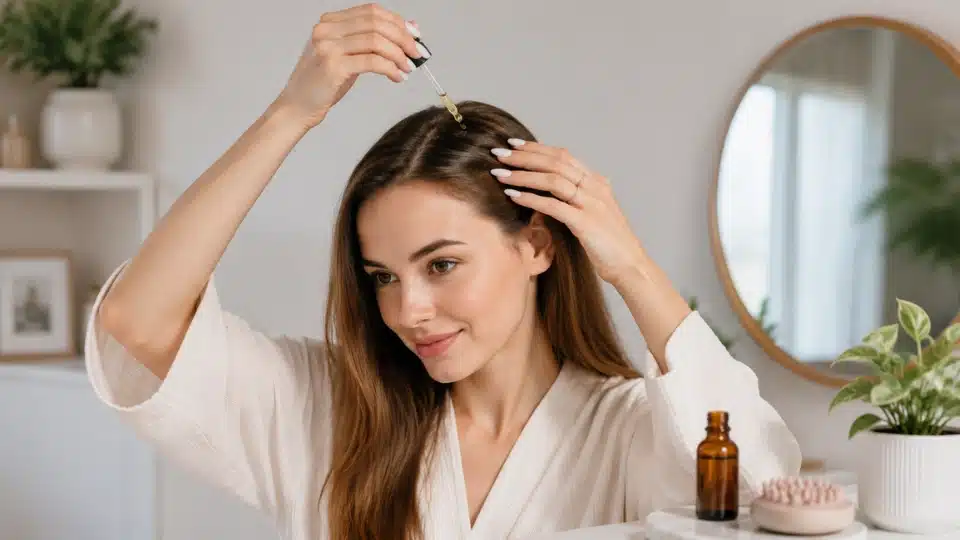
A scalp that feels dry isn’t always lacking moisture. In many cases, it’s reacting to habits or products that weaken its natural barrier, making it harder to stay hydrated no matter how many oils or treatments you apply.
That’s why some routines seem to work for a few days before the tightness and flakes return.
Learning how to moisturize scalp effectively starts with understanding what’s actually causing the dryness, so every product and every step works with your scalp instead of against it.
Why Does Your Scalp Become Dry?
Dry scalp shows up for reasons that go beyond just the weather, and pinpointing the cause makes treatment far more effective.
- Hot water strips natural oils: Washing hair in hot water breaks down the scalp’s protective sebum layer more quickly than warm or cool water.
- Harsh shampoo ingredients disrupt balance: Sulfates and short-chain alcohols like isopropyl alcohol clean deeply but pull moisture out along with dirt and buildup. Fatty alcohols such as cetyl or stearyl alcohol work differently and actually help condition the scalp, so it helps to check which type of alcohol is listed on the label.
- Indoor heating and cold air pull moisture out: Winter months combine dry outdoor air with heated indoor air, leaving skin and scalp dehydrated.
- Over-washing removes protective oils: Washing daily doesn’t let natural oils replenish, leaving the scalp barrier compromised.
- Product buildup blocks hydration: Gels, dry shampoo, and styling creams can sit on the scalp and prevent moisture from absorbing properly.
- Underlying skin conditions play a role: Eczema and psoriasis can show up as dryness on the scalp, while dandruff is usually a separate issue linked to yeast rather than moisture loss alone. Each one responds better to a slightly different treatment approach.
- Aging reduces oil production: Sebaceous glands naturally slow down over time, making mature scalps more prone to tightness and flaking.
|
Signs Your Scalp Needs More Moisture
|
Best Ways to Moisturize Your Scalp
These five methods are the ones I keep coming back to, based on what actually worked when my own scalp went through a dry patch during a particularly harsh winter.
Match each option below to your hair texture and current scalp condition, since your hair porosity type often determines how well a treatment actually absorbs.
1. Use a Hydrating Scalp Serum or Treatment
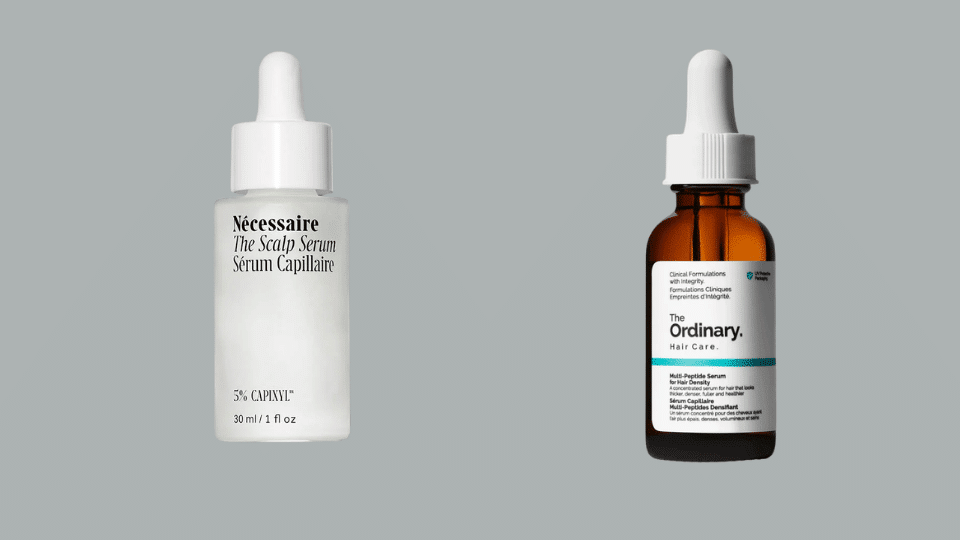
Serums deliver concentrated hydration straight to the scalp without the buildup that heavier creams can leave behind.
They work well layered under other products as part of a routine, and on nights when I skip a full serum, a lightweight hydrating hair tonic does a similar job in a pinch.
- Best For: Fine to medium hair with a tight, flaky, or dehydrated scalp.
- Benefits: Fast-absorbing hydration that eases tightness without weighing hair down.
- How to Use: Apply to a damp scalp with a dropper, then gently massage in before styling.
- Products to Try: The Ordinary Multi-Peptide Serum for Hair Density, Nécessaire The Scalp Serum.
2. Apply Natural Oils Before Washing
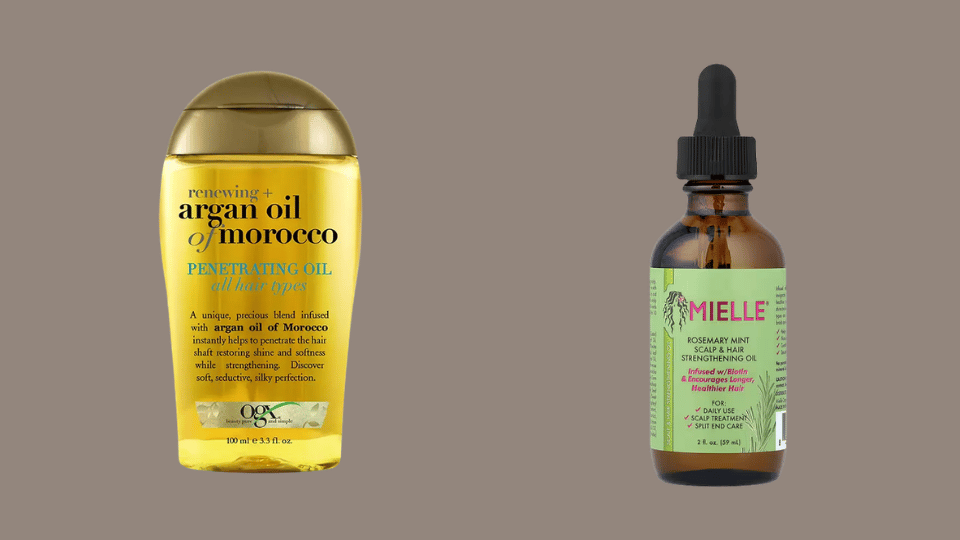
A pre-wash oil treatment softens buildup and cushions the scalp barrier before shampoo strips away the day’s residue. This step works especially well once or twice a week.
- Best For: Thick or coarse hair with a dry, rough-feeling scalp.
- Benefits: Loosens flakes, softens dryness, and protects natural oils during washing.
- How to Use: Massage oil into a dry scalp thirty minutes before shampooing, then rinse thoroughly.
- Products to Try: OGX Renewing + Argan Oil of Morocco Penetrating Oil, Mielle Organics Rosemary Mint Scalp & Hair Strengthening Oil.
|
Dry Scalp or Dandruff? Dry scalp and dandruff are often treated as the same problem, but they have different causes. Dry scalp happens when the skin loses moisture, while dandruff is usually linked to a yeast called Malassezia. The American Academy of Dermatology notes that these conditions can look similar but need different treatment. Dandruff flakes tend to look larger and slightly oily, while dry scalp flakes are usually smaller and drier. Treating dandruff with heavy oils can make it worse, so knowing which one you have matters. |
3. Switch to a Moisturizing Shampoo Routine
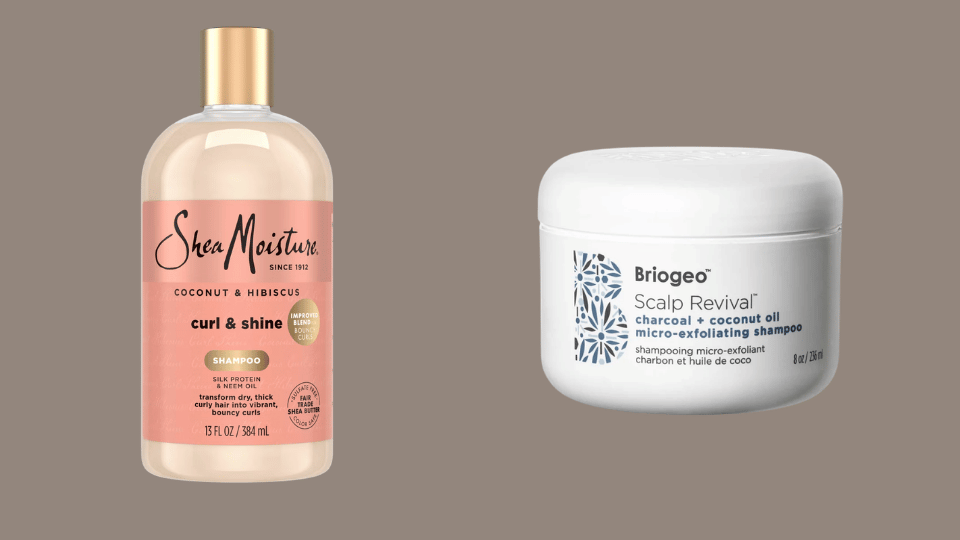
The shampoo you use daily has more influence on scalp hydration than almost any leave-in product applied afterward. Sulfate-free formulas make the biggest difference here.
- Best For: All hair types dealing with recurring tightness or mild flaking.
- Benefits: Cleanses without stripping natural oils needed for a balanced scalp.
- How to Use: Massage into the scalp for thirty seconds, then follow with a hydrating conditioner.
- Products to Try: SheaMoisture Coconut & Hibiscus Curl & Shine Shampoo, Briogeo Scalp Revival Charcoal + Coconut Oil Micro Exfoliating Shampoo.
4. Use Aloe Vera for Scalp Hydration
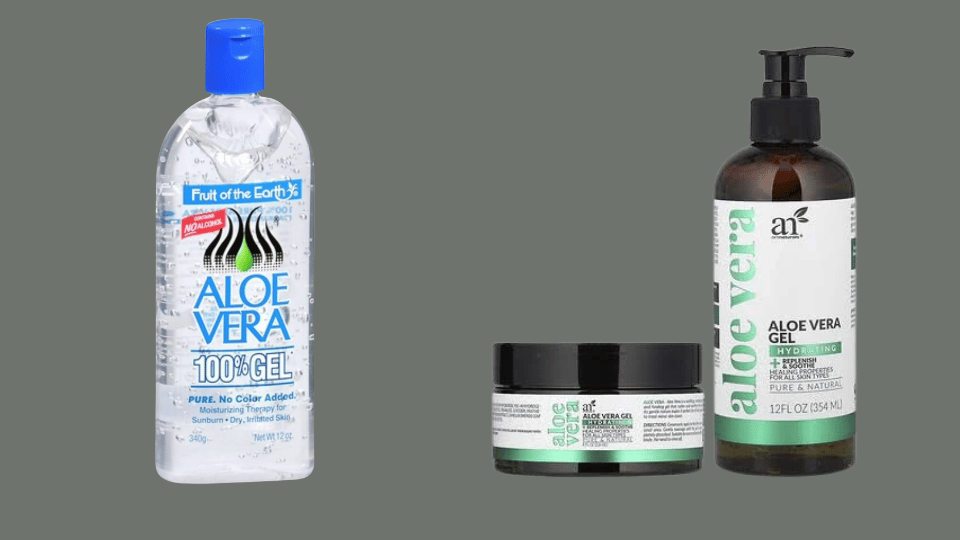
Aloe vera cools irritation while adding a light layer of moisture, making it ideal for scalps that feel itchy alongside the dryness. It also works as a gentle, low-buildup option.
- Best For: Sensitive or fine hair with an irritated, itchy, or mildly dry scalp.
- Benefits: Soothes inflammation while hydrating without clogging follicles.
- How to Use: Apply gel directly to the scalp, leave for twenty minutes, then rinse with lukewarm water.
- Products to Try: Fruit of the Earth Aloe Vera 100% Gel, ArtNaturals Organic Aloe Vera Gel.
5. Massage Your Scalp Regularly
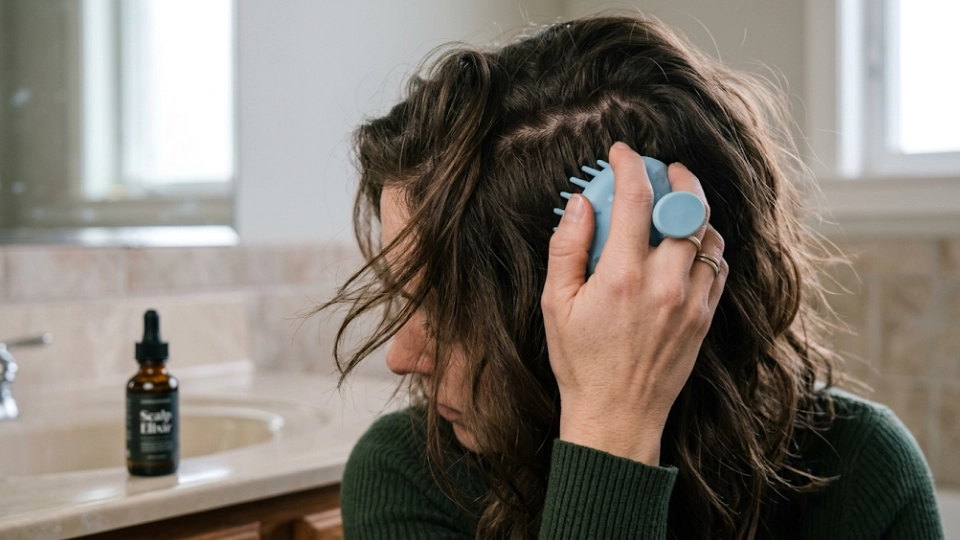
Massage is often treated as a small step, but it deserves its own place in your routine. Working your fingertips across the scalp for a few minutes boosts circulation and helps any product you apply absorb more evenly.
- Best For: All hair types, especially scalps that feel tight or tense from styling and heat tools.
- Benefits: Improves blood flow, loosens tension, and helps other treatments work better.
- How to Use: Massage for two to three minutes daily, either on its own or right before applying a serum or oil.
- Products to Try: A silicone scalp massager or brush works well if you prefer a tool over fingertips.
Most people do not need all five methods at once, just the one or two that match their scalp type. Bringing them together into a simple, repeatable routine is where real results start to show.
Step-by-Step Routine to Moisturize Your Scalp
Following these steps in order helps each product work as intended, rather the competing with buildup or residue.
- Start with lukewarm water: Wet hair thoroughly using lukewarm, never hot, water to avoid stripping oils before you even shampoo.
- Apply your shampoo: Focus it on the scalp itself, massaging in circular motions for thirty seconds to loosen buildup.
- Exfoliate once or twice weekly: On exfoliation days, use a scalp scrub or brush before shampoo to lift dead skin and flakes.
- Follow with a hydrating conditioner: Apply it mainly to the lengths and ends, then let it sit for two to three minutes.
- Towel dry gently: Pat hair with a microfiber towel instead of rubbing, which can irritate an already sensitive scalp.
- Apply a leave-in scalp serum or oil: While hair is still slightly damp, massage the hydrating serum directly into the scalp.
- Finish with a scalp massage: Spend two to three minutes massaging the product in to boost circulation and even absorption.
Following this order helps every product absorb properly rather than sit on top of buildup or be rinsed away too soon. Once this becomes routine, the results tend to hold on their own.
How Often Should You Moisturize Your Scalp?
Moisturizing frequency depends heavily on your scalp type, so matching the schedule to your specific needs helps prevent both dryness and buildup.
| Scalp Type | Recommended Frequency | Best Method |
|---|---|---|
| Dry, flaky scalp | 3–4 times per week | Leave-in oil or hyaluronic acid serum |
| Oily but tight scalp | 1–2 times per week | Lightweight, non-comedogenic serum |
| Normal scalp | 2 times per week | Hydrating conditioner plus occasional oil |
| Mature or aging scalp | Daily | Rich scalp cream or nourishing oil blend |
| Scalp with dandruff or eczema | As directed by a dermatologist | Medicated treatment alongside gentle hydration |
Getting this balance right is often what separates a routine that works from one that does not.
How to Keep Your Scalp Moisturized Long Term
Long-term hydration comes down to consistency, not one product working overnight. A few steady habits keep your scalp balanced through every season.
- Stick to the basics: The washing and product habits covered earlier only work if you stay consistent with them over the long term.
- Support it from within: Staying hydrated and getting enough omega-3 fatty acids are often associated with healthier skin, though research on scalp oil production remains limited.
- Adjust for the season: A scalp that stays balanced in summer often needs richer products once heating systems kick on in winter.
- Add a humidifier: Running one where you sleep offsets the dry air from indoor heating, an easy fix that needs no extra product.
- Watch and adjust early: Notice how weather, styling, and product changes affect your scalp so you can act before dryness sets in.
Small, steady habits do more for your scalp than any single fix ever will. Staying consistent through season changes is usually the real difference maker.
What to Check for on the Label Before You Buy
Reading the ingredient list closely helps separate products that genuinely hydrate from ones that just smell good or feel light.
| Ingredient | What It Does |
|---|---|
| Hyaluronic acid | Draws water into the scalp and holds it there for lasting hydration |
| Jojoba oil | Mimics natural sebum, making it easy for the scalp to absorb |
| Shea butter | Seals in moisture and soothes irritation on very dry patches |
| Glycerin | Pulls moisture from the air into the skin’s surface layer |
| Aloe vera | Calms itchiness while adding a light layer of hydration |
| Ceramides | Repairs and strengthens the scalp’s natural moisture barrier |
Checking labels for these ingredients makes it much easier to choose products that actually deliver hydration rather than just smell good.
When to See a Dermatologist for a Dry Scalp
Most dry scalp responds well to product and routine changes within a few weeks, but persistent symptoms can point to something more than surface dryness.
If flaking comes with redness, swelling, intense itching, or sores that won’t heal, it may signal a condition like seborrheic dermatitis or psoriasis rather than simple dryness.
Hair loss alongside a dry, irritated scalp is another signal worth flagging to a professional rather than treating with over-the-counter products alone.
A dermatologist can identify the exact cause through a scalp exam and recommend medicated shampoos or treatments that go beyond what moisturizing alone can fix.
Habits That Might Be Making Your Scalp Drier
Some habits that feel harmless can actively work against every moisturizing product you’re using.
- Skipping conditioner on the scalp entirely: Conditioner isn’t just for strands; a small amount near the roots helps too.
- Over-exfoliating the scalp: Scrubbing daily can damage the skin barrier rather than protect it, leading to increased irritation.
- Using heavy styling products daily: Gels and mousses build up over time and block moisturizing serums from absorbing properly.
- Ignoring diet and hydration: Low water intake and skipping healthy fats can lead to a persistently dry, tight scalp, and poor hydration habits are more closely tied to thinning strands than most people realize.
- Switching products too frequently: Constant changes don’t give any single routine enough time to actually rebalance the scalp.
Cutting out even one or two of these habits often makes a noticeable difference within a few weeks. Small changes here tend to matter more than adding new products.
The Bottom Line on Keeping Your Scalp Hydrated
A dry scalp doesn’t need a shelf full of products. More often, it needs a routine that matches the reason it’s become dry in the first place.
Once you understand how to moisturize your scalp properly, every step, from the shampoo you choose to the treatments you apply, works together to protect your scalp’s natural barrier instead of disrupting it.
Over time, that consistency can mean fewer flakes, less irritation, and healthier hair growing from a well-cared-for scalp.
Frequently Asked Questions
How Long Does It Take to Fix a Dry Scalp?
Most people notice less tightness and flaking within two to three weeks of a consistent routine. Stubborn cases tied to weather or a skin condition can take longer and may need a dermatologist’s input.
Can a Dry Scalp Come Back Even After Treatment Works?
Yes. Scalp dryness often returns with seasonal changes, a new hair product, or a break in your routine, so it helps to keep up gentle habits even after symptoms have cleared.
Can Hair Coloring or Bleaching Cause a Dry Scalp?
Yes. Chemical treatments like bleach and permanent color can strip natural oils and irritate the scalp, which is why a moisturizing routine matters even more in the weeks after a color service.
Does Wearing Hats Often Make a Dry Scalp Worse?
It can, especially in winter, since hats trap heat and reduce airflow. Choosing breathable fabrics and washing hats regularly helps limit this effect.
Should You Change Your Pillowcase for a Dry Scalp?
Cotton pillowcases can pull moisture from skin and hair overnight. Switching to a silk or satin pillowcase is a small change that some people find helps reduce morning dryness.