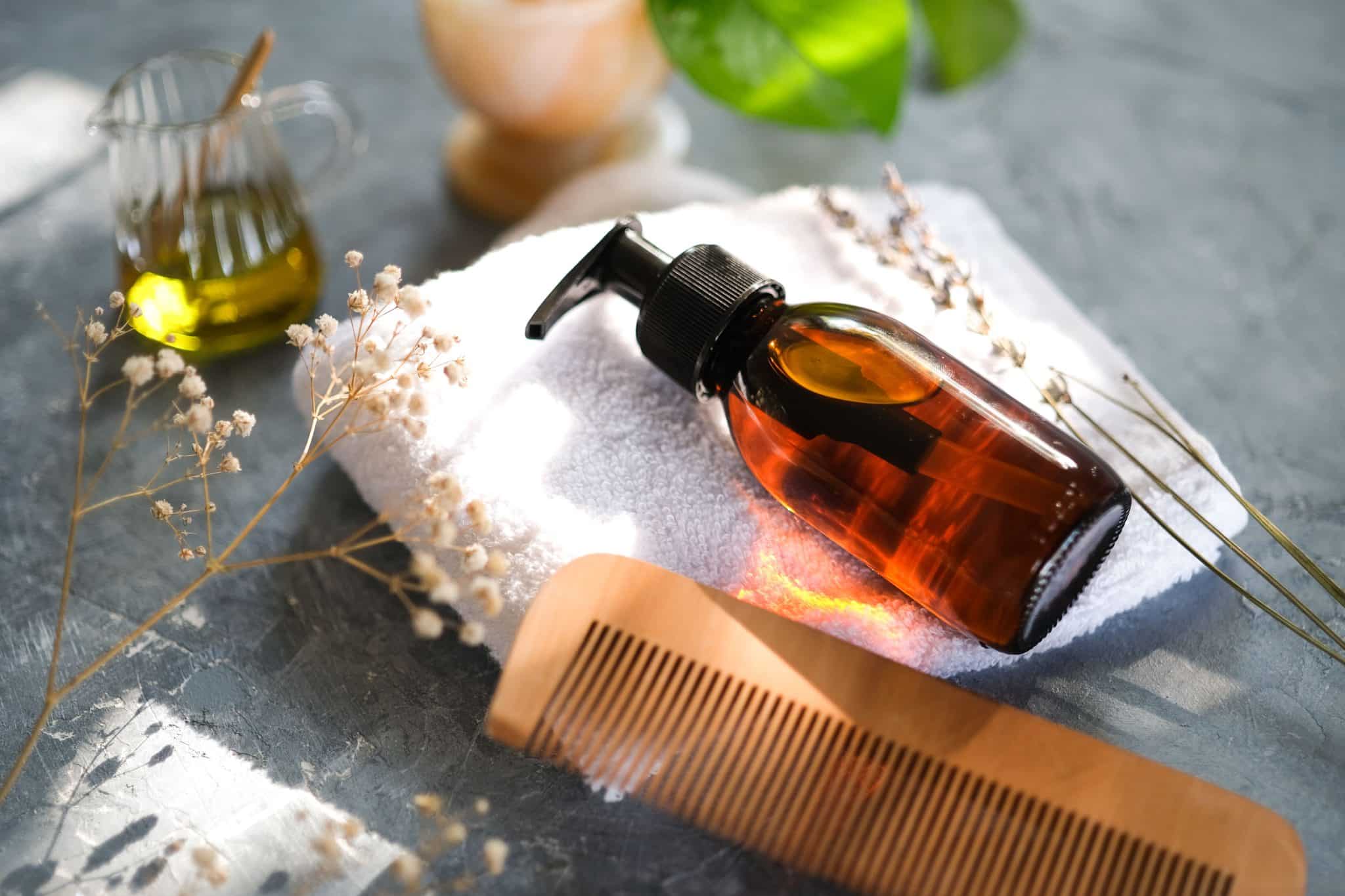
I used to think my hair just stopped growing past a certain length, until I noticed how many broken strands were showing up in my brush every morning.
Short, frizzy pieces near my part. Tangles that snapped instead of loosening. Ends that felt rough no matter how much product I used.
For a while, I blamed genetics and moved on. It turns out breakage rarely comes from one big mistake. It builds up quietly, through small habits repeated day after day, tight hairstyles, hot tools, rough towel drying, until the damage is hard to ignore.
Once I understood what was actually happening to my strands, the fixes felt a lot less overwhelming and a lot more doable, one small habit at a time.
What is Hair Breakage?
Hair breakage happens when the hair shaft snaps somewhere along its length, not at the root. The outer layer of hair, called the cuticle, is made of tiny overlapping layers.
When heat, chemicals, or rough handling wear this layer down, the strand becomes weak and splits or snaps. This is different from hair fall, where the entire strand comes out along with the root, usually from the scalp.
Breakage shows up as short pieces, frizz, or rough ends, while hair fall shows up as full strands with a small white bulb at the tip. Knowing which one you are dealing with is the first step toward fixing it.
Why Does Hair Stop Growing?
Hair usually does not stop growing. It breaks off before it gets the chance to grow longer, making it seem stuck at one length.
Why is My Hair Breaking Off?
Hair breakage rarely comes from a single habit. It usually builds up from a mix of daily choices that slowly weaken the hair shaft over time.
- Heat-styling tools: Blow-dryers, straighteners, and curling irons strip moisture and weaken the cuticle, making strands brittle and prone to snapping.
- Chemical treatments: Coloring, perming, or relaxing hair opens the cuticle layer, leaving strands fragile, dry, and more likely to break.
- Tight hairstyles and extensions: Ponytails, buns, and extensions pull on strands, creating tension that stresses the hair shaft near the root.
- Rough towel drying and brushing wet hair: Wet hair is fragile. Rubbing it with a towel or brushing it roughly causes strands to snap easily.
- Nutrient deficiency and poor diet: Low protein, iron, or biotin levels weaken hair from within, making strands thin, dry, and prone to breakage.
- Sun, chlorine, and environmental damage: UV rays and pool chemicals dry out hair, breaking down protein bonds and leaving strands rough and fragile.
Most of these causes overlap and add up quietly. Spotting which ones apply to your routine makes it easier to fix the damage.
Hair Breakage vs Hair Loss vs Shedding
These three are often confused, but they look and feel different once you know what to look for. Here is a quick way to tell them apart.
| Type | What It Looks Like | Where It Happens |
|---|---|---|
| Breakage | Short, frizzy strands, uneven lengths | Along the hair shaft, not the root |
| Shedding | Full strands with a small white bulb | From the root, normal in small amounts daily |
| Hair Loss | Thinning patches, visible scalp, slow regrowth | From the follicle, often ongoing |
If it snaps in your hand, it is a breakage. If it falls out with a bulb attached, it is shedding (hair loss) and may need a doctor’s opinion.
11 Tips to Stop Hair Breakage and Shedding
Fixing breakage does not need a big routine change. Small, consistent habits protect the hair shaft and reduce daily damage over time.
1. Wash Hair the Right Way
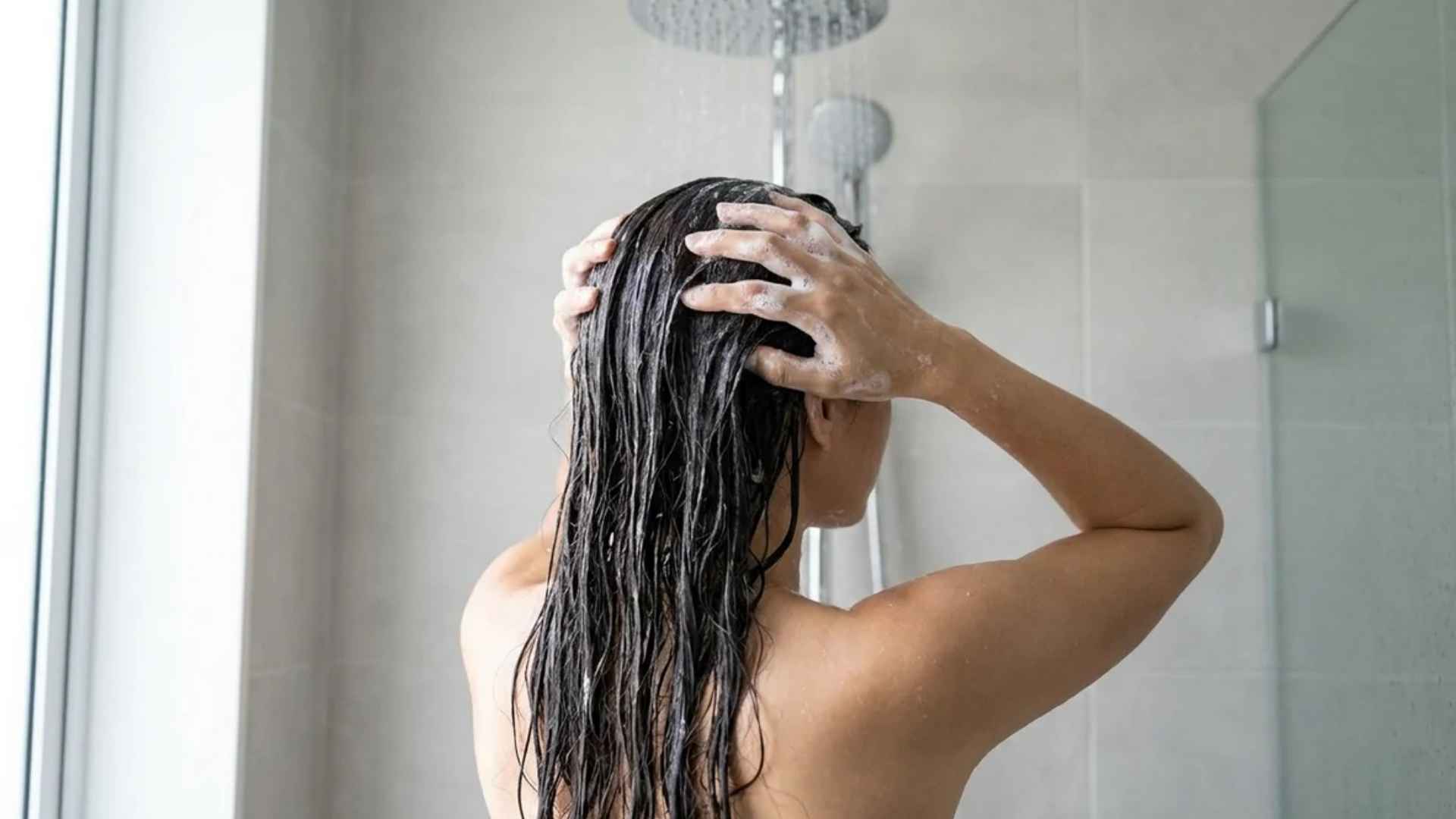
Focus shampoo on the scalp, not the length of your hair. Gently massage it in, then let the lather rinse down through the strands naturally.
Rubbing shampoo directly into the length roughens the cuticle and causes tangles. This one change alone can lower daily breakage, especially for long or textured hair types.
2. Never Skip Conditioner
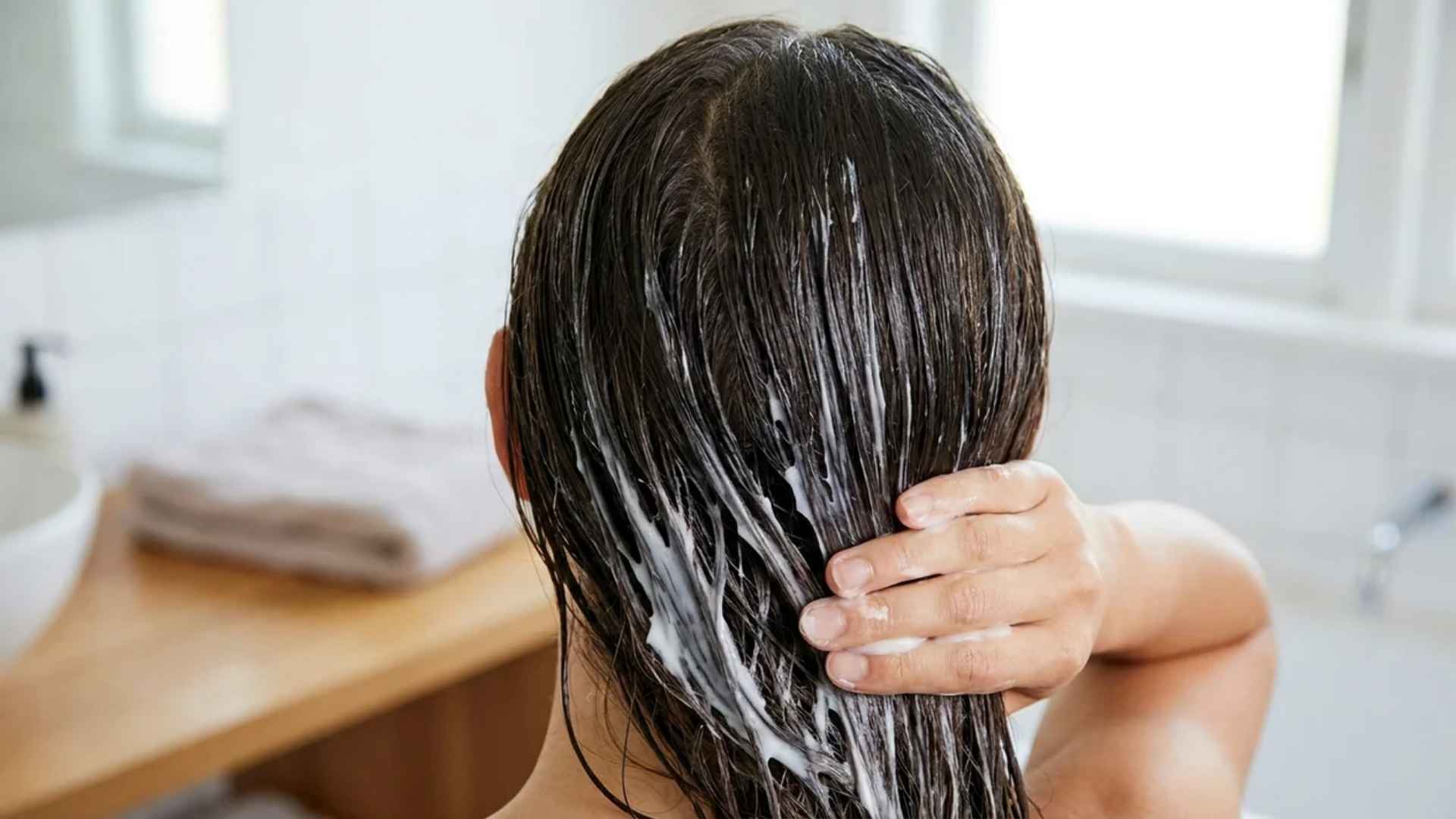
Conditioner replaces moisture that shampoo strips away. Skipping it leaves hair dry, rough, and easy to snap. Use it after every wash, focusing on the mid-lengths and ends.
If your hair feels dry a few hours after washing, switch to a richer, more hydrating conditioner formula.
3. Dry Hair Gently, Skip the Rough Towel Rub

Wet hair is at its weakest point. Rubbing it hard with a towel roughs up the cuticle and causes strands to snap. Instead, wrap hair in a soft towel or old t-shirt and gently squeeze out water.
Letting hair air-dry partially before styling also reduces stress on the strands.
4. Detangle With a Wide-Tooth Comb Before Brushing
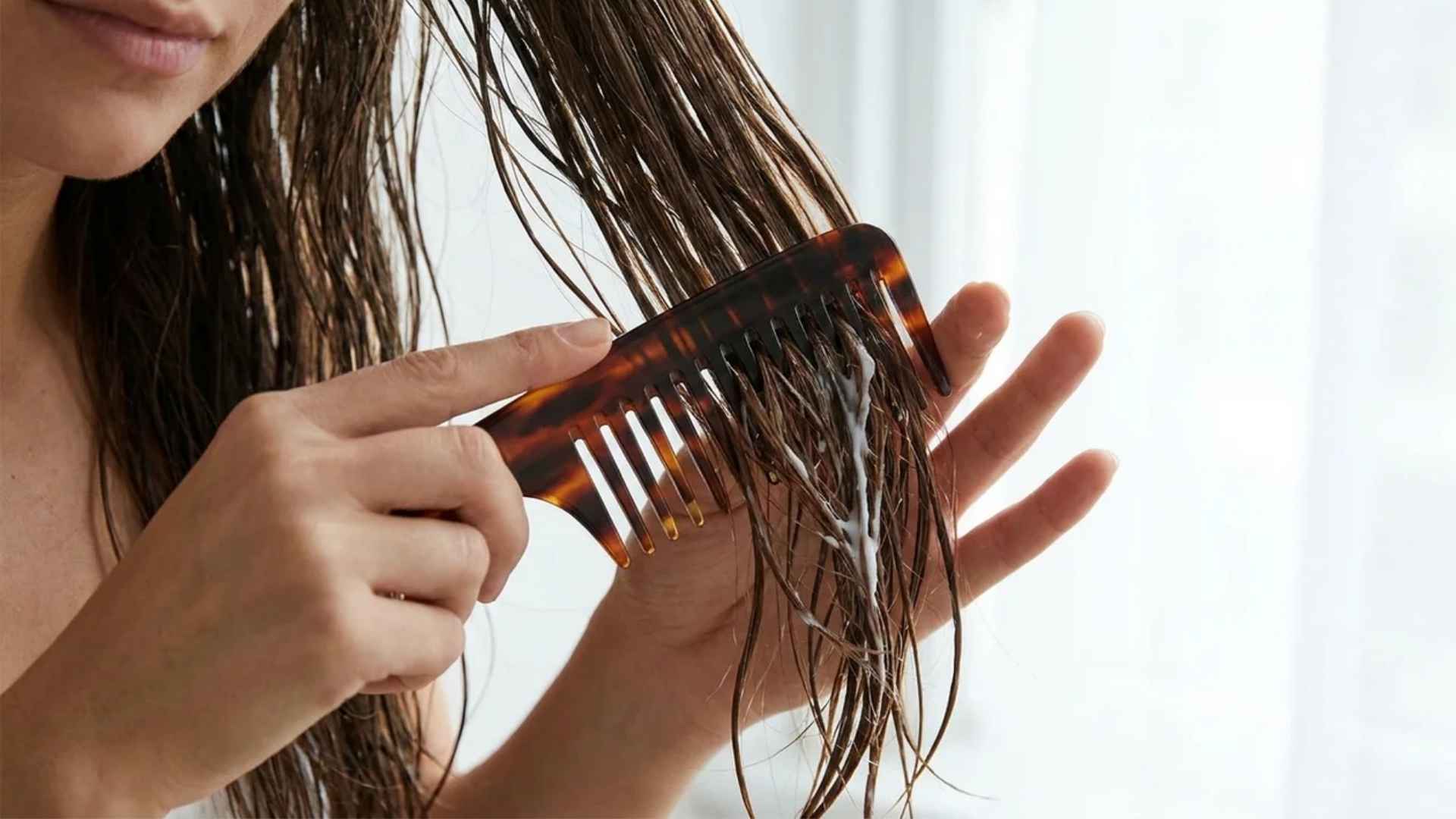
Brushing wet hair with a regular brush pulls and snaps fragile strands. Use a wide-tooth comb instead, starting from the ends and working up to the roots.
This removes tangles with less tension. Adding a leave-in conditioner or detangling spray makes the process even smoother.
5. Cut Back on Heat Styling Tools

Blow dryers, straighteners, and curling irons weaken hair with repeated use. Let hair air dry when possible and save heat tools for special occasions.
When you do use them, apply a heat protectant first and keep the setting on low. Small reductions in heat use add up over time.
6. Give Tight Hairstyles a Break

Tight ponytails, buns, and braids pull on the hair shaft and stress the roots. Wear hairstyles a little looser and switch up your style often. Use soft, fabric-covered hair ties instead of thin elastic bands.
This reduces tension and gives strands room to recover between styles.
7. Space Out Chemical Treatments
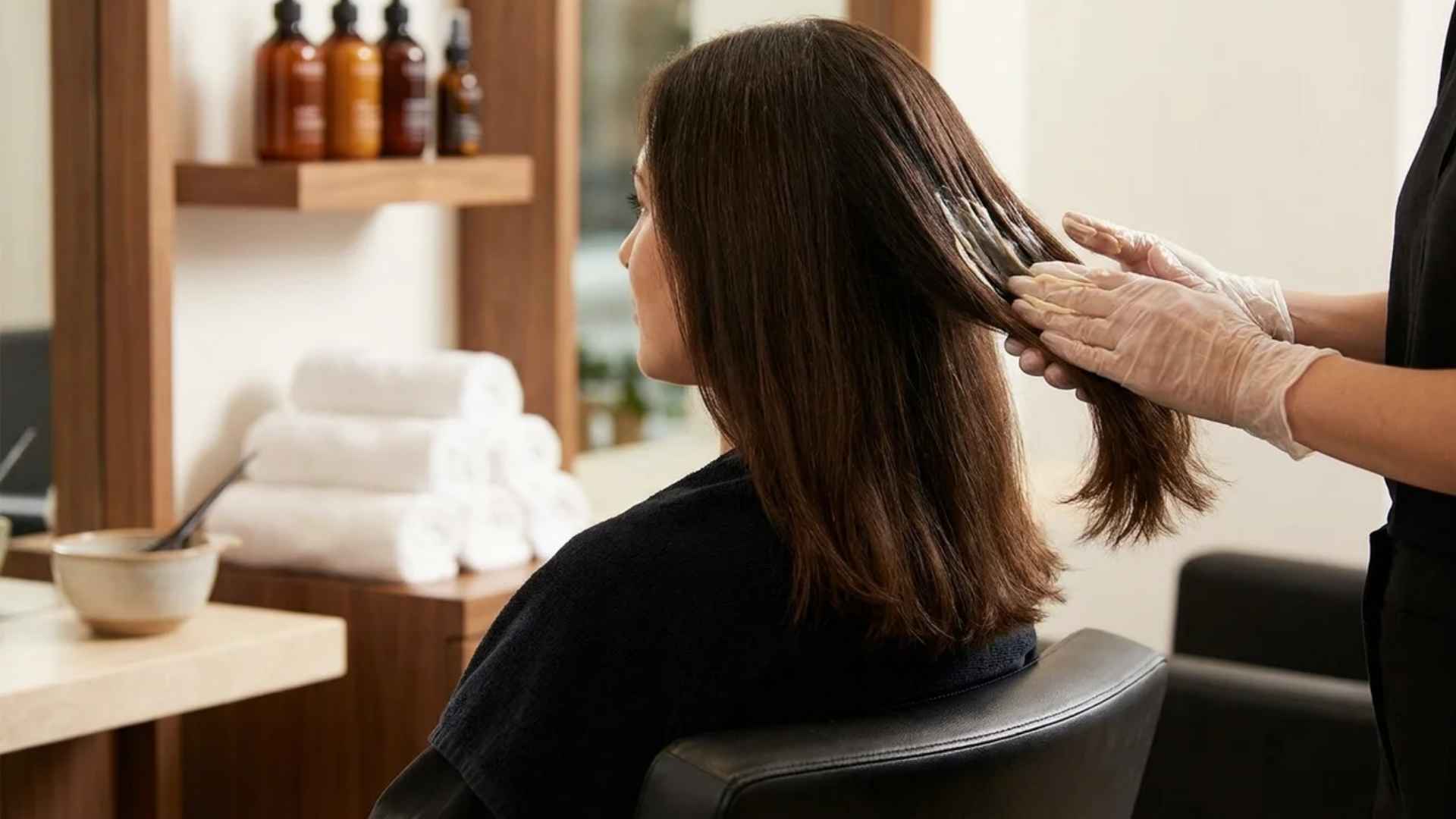
Coloring, perming, and relaxing all open the hair cuticle, leaving it fragile right after treatment. Give your hair time to recover between sessions, ideally eight to ten weeks.
Avoid combining multiple chemical services too close together, and always follow up with a deep conditioning treatment.
8. Protect Hair From Sun and Pool Chemicals

UV rays and chlorine both break down hair protein and dry out strands. Wear a hat or scarf during long sun exposure, and rinse hair immediately after swimming.
Using a swim cap and a clarifying shampoo afterward helps remove chlorine buildup before it weakens the hair shaft.
9. Get Trims Every 8-12 Weeks
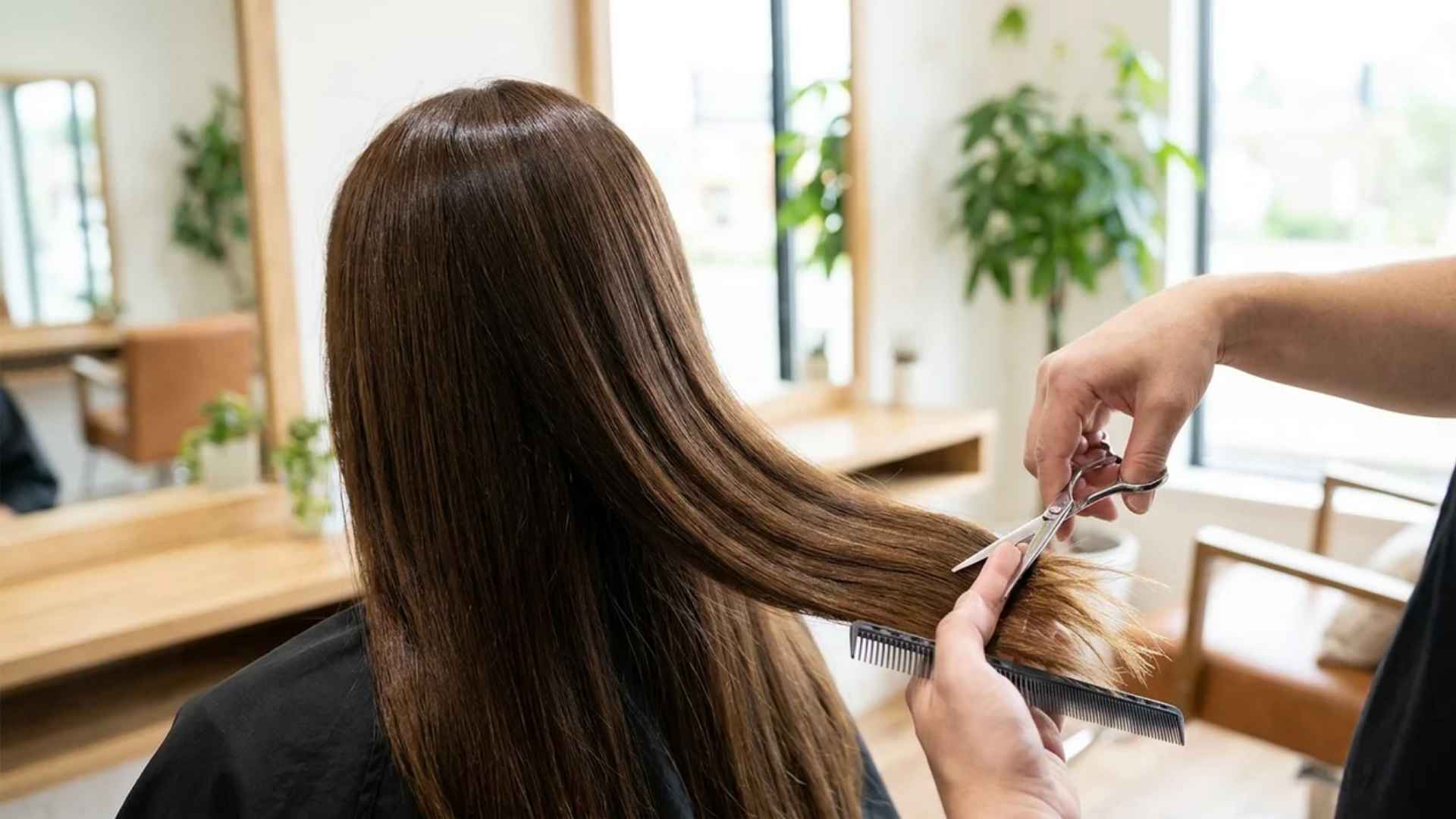
Split ends do not stay put. Left alone, they travel up the strand and cause more breakage over time. Regular trims remove damaged ends before they spread further.
Even a small trim every couple of months helps hair look fuller and healthier over time.
10. Eat a Hair-Healthy Diet

Hair is mostly protein, so low intake of protein, iron, biotin, or zinc can weaken strands from within. Include eggs, leafy greens, nuts, and lean protein in your meals.
If breakage continues despite a good routine, a doctor can check for any underlying nutrient gaps.
11. Sleep on a Silk or Satin Pillowcase

Cotton pillowcases create friction against hair while you sleep, causing tangles and breakage over time. Silk or satin fabric lets hair glide rather than catch, reducing overnight damage.
It also helps hair hold moisture better, so strands feel softer and less frizzy by morning.
Ingredients That Help Strengthen Hair
Along with better habits, certain ingredients help rebuild strength from within the strand. Here is what to look for on ingredient labels.
| Ingredient | How It Helps |
|---|---|
| Protein and keratin | Rebuilds internal structure and patches weak, damaged areas |
| Biotin (Vitamin B7) | Supports keratin production for thicker, stronger strands |
| Hydrolyzed proteins (rice, wheat, quinoa) | Penetrates the hair shaft to reinforce strength from within |
| Deep conditioning masks | Restores moisture deeply, unlike quick rinse-out conditioners |
| Natural oils (argan, coconut, castor) | Seals in moisture and reduces friction during styling |
These ingredients will not fix breakage overnight, but using them consistently for a few weeks makes hair noticeably stronger and easier to manage.
When to See a Dermatologist
Most breakage improves once damaging habits are corrected, but in some cases, it points to something deeper.
If hair keeps breaking despite gentler handling, a healthier diet, and fewer heat or chemical treatments, it may be time to see a dermatologist. Sudden thinning, bald patches, or hair falling out with the root attached are also signs that need medical attention.
Conditions like thyroid imbalance, anemia, or scalp infections can weaken hair from within and will not improve with home care alone. A dermatologist can run simple tests to find the exact cause and recommend the right treatment early.
Wrap Up
Hair breakage rarely comes from one bad habit. It builds up slowly through rough drying, tight hairstyles, heat tools, and small gaps in diet or care. Every cause on this list has a simple fix.
Washing gently, skipping harsh towel drying, spacing out chemical treatments, and adding the right ingredients can restore strength over time. Breakage is not permanent, and small, consistent changes make a real difference in how healthy your hair looks and feels.
Which habit from this list do you think has been causing the most damage to your hair?
Save this page so you can revisit these tips whenever your routine needs a reset.
Frequently Asked Questions
Can Broken Hair Grow Back?
Yes. Broken hair is not permanent damage. Once you fix the cause, new growth naturally replaces broken strands over the following months.
How Do I Know if It’s Breakage or New Growth?
New growth feels soft and fine near the hairline. Broken hair feels rough and coarse, often with split or frayed ends.
Does Trimming Hair Help It Grow Faster?
Trimming does not speed up growth from the root. It removes split ends, preventing them from traveling up and causing more breakage.
Is Hair Breakage the Same as Hair Loss?
No. Breakage occurs along the strand, whereas hair loss means hair falls out at the root and often requires medical attention.
How Long Does It Take to Fix Hair Breakage?
Most people notice improvement within 4 to 8 weeks with consistent, gentle care, though full recovery depends on the severity of the damage.