When we pick out a new lipstick, we usually focus on the shade, finish, and how long it stays put. Few of us stop to read the fine print on the back of the packaging. But we should, because over a lifetime we accidentally eat a fair amount of this product.
Let’s take a look at what goes into our daily makeup bag. Understanding the differences between formulas helps make informed choices at the beauty shop.
What Conventional Lipsticks Are Usually Made Of
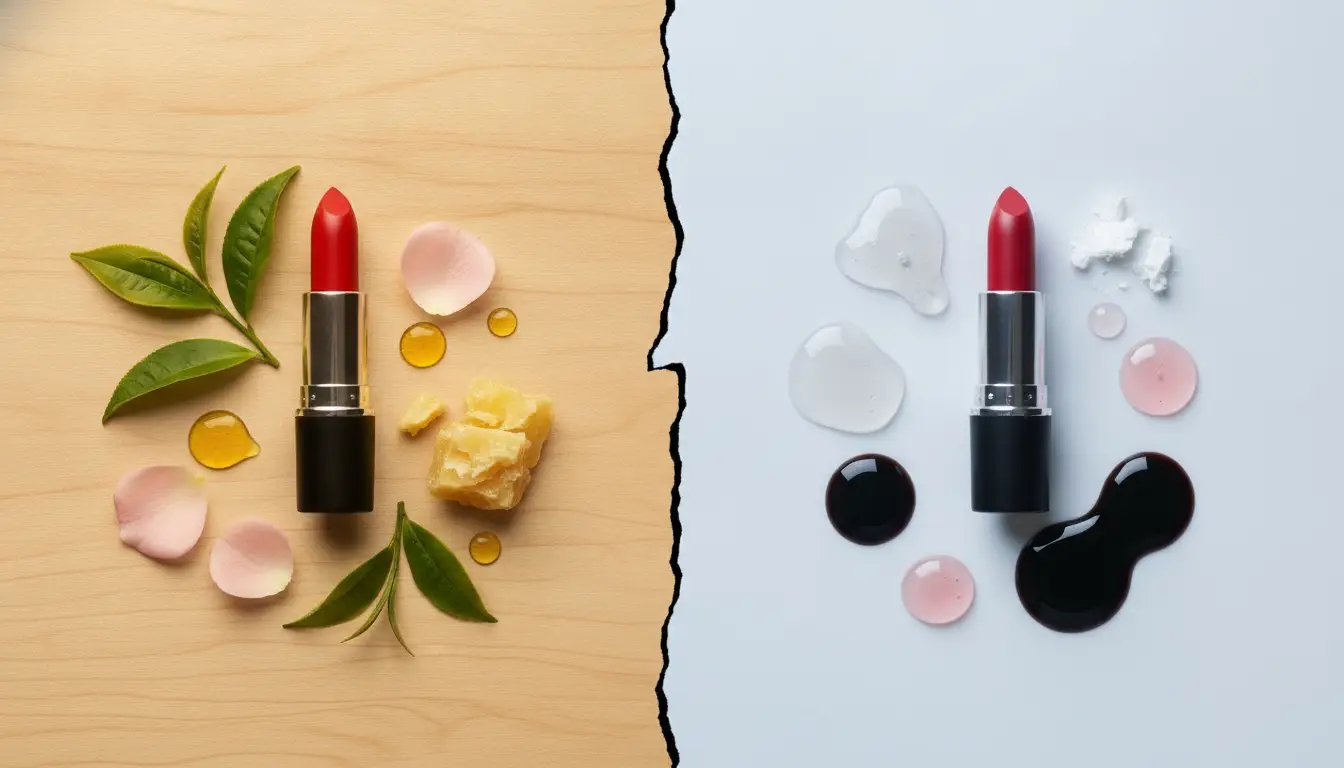
The base of most conventional lipsticks consists of basic petroleum refining products. Liquid paraffin, mineral oils, and petrolatum create a wonderfully smooth finish. They are cheap to produce and hold moisture on the surface brilliantly.
However, there is a downside. They act as a dense film under which the skin of the lips stops breathing and eventually begins to dry out even more. It becomes a vicious circle: the more you apply, the more you feel the need to.
Another important nuance is synthetic dyes and preservatives. Parabens help a tube sit in your drawer for years without spoiling. Meanwhile, bright pigments derived from coal tar give that exact rich colour that is so hard to wash off.
For many people, this is completely acceptable. But sensitive skin often reacts to such ingredients with sudden peeling, tightness, or a burning sensation.
The Truth About Lead and Trace Metals
You have probably heard a few scary stories about lead hiding in cosmetics. Horror stories about dangerous toxins still circulate online quite a bit. It is always helpful to separate scary myths from actual scientific facts.
Nobody intentionally adds lead to cosmetics; it naturally ends up there as a trace impurity. That’s because many lipstick pigments are made from minerals, mica, and clay. Out in nature, these elements mix with soil containing micro-doses of heavy metals. Completely filtering them out is practically impossible, so a tiny fraction stays in the raw ingredients.
FDA looked into this extensively and set a safe standard: lead impurities in cosmetics shouldn’t exceed 10 parts per million (10 ppm). At these micro-levels, it poses no harm to your health.
Over 99% of lipsticks on the market easily comply with this strict standard. Official experts confirm that in such microscopic quantities, it poses no threat to health. There is certainly no need to panic, but understanding the origin of ingredients is useful.
What Natural Really Means and How to Read a Label
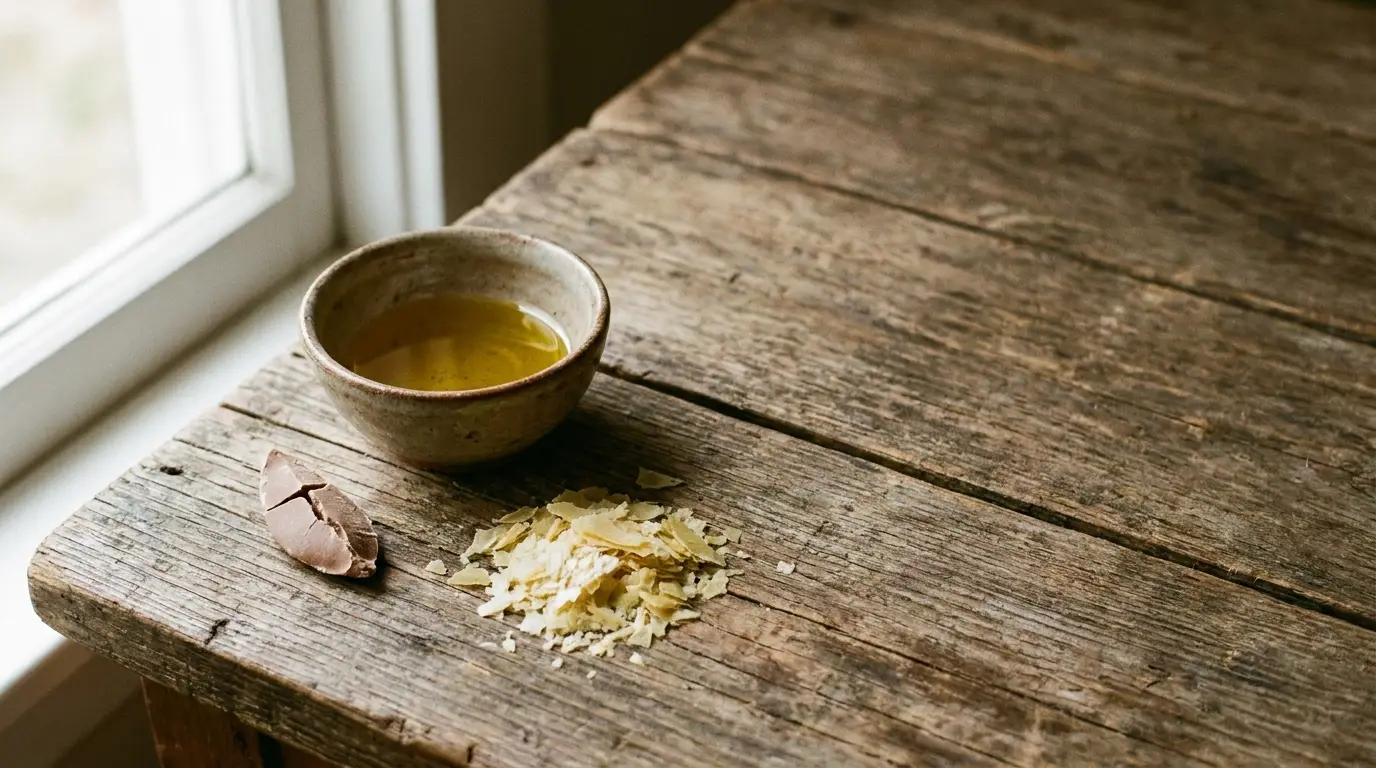
In a thoughtful, plant-based formula, rich botanical oils replace mineral oils. These include castor seed, sesame, ordinary sunflower oils, etc. They deeply nourish the skin and restore its natural barrier. Instead of paraffin, manufacturers use plant waxes, such as candelilla or carnauba. They hold the shape of the tube wonderfully and glide onto the lips very softly during application.
The point of such formulas is that they work as proper skincare. Natural cocoa butter and vitamin E are added for hydration. And instead of artificial dyes, mineral pigments like iron oxides, titanium dioxide, and mica do the work.
If you want a great example of a clean, transparent composition, pay attention to the natural lipstick series from the well-known brand Honeybee Gardens. Their Truly Natural lipstick is made according to this exact principle. They rely on a plant-oil base, botanical waxes, and vitamin E, while skipping parabens completely. You get over 30 buildable shades without carmine – a popular red pigment derived from insects.
Certifications You Can Actually Trust
Markings on packaging help you quickly understand a brand’s philosophy without a lengthy study of chemical names. If ethical standards are important to you, it is worth looking for proven international seals.
There are currently many labels on the market, but only those verified by independent audits hold real weight. They guarantee the inspection of every ingredient from the supplier to the finished tube.
Here are the key certificates worth looking out for when shopping:
- Leaping Bunny – the gold standard globally, guaranteeing no animal testing at any stage of product development;
- PETA Beauty Without Bunnies – confirms a completely vegan formula and a strict commitment against cruelty to animals;
- Gluten-Free Certification – a crucial detail for anyone with coeliac disease or severe skin sensitivities to gluten.
The aforementioned brand Honeybee Gardens holds official certifications from PETA and Leaping Bunny. This offers real peace of mind, knowing that a lovely shade did not come at the expense of animal welfare.
When you buy products with these marks, you are not paying for marketing promises, but for the manufacturer’s genuine responsibility. It allows you to build a makeup collection with a clear conscience.
Considerations for Sensitive Skin
If your lips often feel dry, peel, or react to new cosmetics with itching, the culprit is usually synthetic fragrances. Harsh preservatives and artificial dyes can also cause a reaction.
Natural formulas based on plant oils act much more gently. They work on the principle of a high-quality lip balm that additionally features a pleasant pigment. Nevertheless, there is an important point regarding allergic reactions. Natural plant components and essential oils can also cause individual intolerances in some people.
Therefore, people with sensitive skin should always do a patch test on their wrist. Alternatively, choose products with the simplest, most understandable compositions without unnecessary fragrances.
Honest Trade-Offs
Conventional mass-market lipsticks can last for 12 hours and comfortably survive a full meal. However, they often dry out the skin and require thorough makeup removal.
Natural options feel like a soft, nourishing balm on the lips. They require reapplication throughout the day, especially after a cup of coffee or a snack. Also, the pigmentation here is usually softer and more natural. Yet the colour can easily be layered from a light, semi-transparent tint to a denser evening coverage. Because natural waxes soften with heat, the texture melts comfortably against your skin. Just remember not to leave your tube in a hot car or direct sunlight during the summer months.
How to Make a Choice
Start small instead of tossing out your whole makeup bag. Try swapping your everyday lipstick for a simple plant-based option that actually moisturises your lips. Keep your long-wear lipsticks for big events, and use the simpler formulas for daily wear. Finally, just read the labels and pick what works for you.