California earns its reputation as a food traveler’s dream through sheer variety: fertile valleys, coastal fishing communities, immigrant culinary traditions, and some of the most productive farmland on earth. A meaningful food trip here goes well beyond booking a table at a notable restaurant. Farmers’ markets, small producers, regional wines, fresh seafood, and seasonal menus all shape the experience in ways that no single dining room can replicate.
This guide covers seven destinations worth planning a trip around, from San Francisco’s iconic waterfront to the sun-drenched Central Coast, with a close look at why Sacramento deserves more attention than it typically gets.
San Francisco: A Mix of Local Produce and Global Flavors
San Francisco has drawn food-focused travelers for generations, and the reasons are easy to understand. The Ferry Building Farmers Market connects the city directly to Bay Area growers every week, offering everything from dry-farmed tomatoes to raw-milk cheeses. Dungeness crab, sourdough with genuine tang, and dim sum in the Richmond District represent just a fraction of what the city offers.
Visitor spending on food service across California generated $38.5 billion in 2025, an increase of 4.6%, which reflects how central dining has become to the state’s travel economy. San Francisco captures a significant share of that appetite.
Farms in Marin, Sonoma, and the Santa Cruz Mountains supply many of the city’s kitchens, creating a tight loop between rural producers and urban restaurants. Visitors can spend a morning at a neighborhood taqueria in the Mission, an afternoon sampling cheese and charcuterie near Hayes Valley, and an evening at a more refined spot in the Financial District. That kind of range is hard to find anywhere else. And the city knows it.
Napa Valley: Wine Country Meets Fresh, Seasonal Food
Napa Valley tends to attract visitors who come for the wine, but the food culture has grown into a destination on its own. Vineyards that once focused entirely on Cabernet Sauvignon now host chef-driven restaurants where the menu shifts with the harvest. Mustard greens in February, stone fruit in July, squash through autumn. Chefs here work from a calendar tied directly to the land.
Vineyard Dining
Eating at a winery means sitting within view of the rows that supply the glass in front of you. Several estates have built serious kitchens to match their cellars, and the combination of food and wine from the same property creates something more coherent than a standard restaurant experience.
Artisan Producers
Beyond the vineyards, the valley supports olive oil producers, cheesemakers, and small farms that sell to local restaurants and at the Oxbow Public Market in Napa. The market is a practical starting point for anyone who wants to understand the region’s ingredients before sitting down for a longer meal.
Northern California’s agricultural richness extends well past wine country, and following that thread east leads directly to Sacramento.
San Diego: Fresh Seafood and California-Inspired Cuisine
San Diego’s position at the southern edge of the state gives it a culinary identity unlike anywhere else in California. Pacific seafood, particularly yellowtail and local spiny lobster, appears on menus across the city in preparations that lean toward both Japanese technique and Baja coastal tradition. The Mexican culinary influence here is not a footnote. It shapes the way the city eats, from birria tacos in City Heights to Baja-style fish tacos along the coast.
The Little Italy Mercato, held on Saturdays, draws farmers from San Diego County and beyond, offering seasonal produce alongside prepared foods and specialty ingredients. Craft brewing has also become a significant part of the food culture, with many local breweries pairing their taprooms with serious kitchens. San Diego shows how California’s food identity shifts depending on geography and community. A traveler can eat well for a week here without repeating an experience.
Sacramento: The Heart of California’s Farm-to-Fork Movement
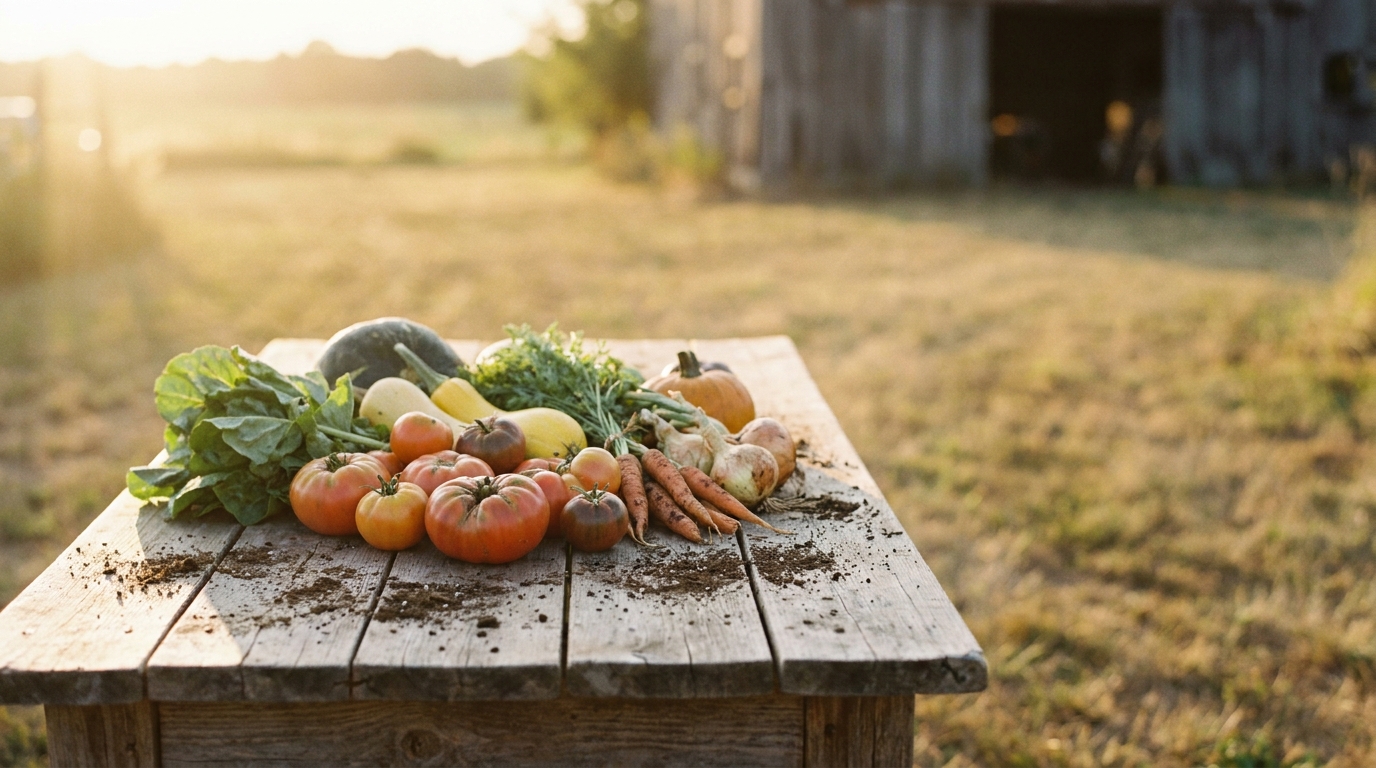
Sacramento may not be the first California city that comes to mind when planning a food-focused trip, but it has a strong case for a place on the list. The city is known as America’s Farm-to-Fork Capital, and its location helps explain why. Farms and ranches surround Sacramento, supplying the region with an impressive variety of fruits, vegetables, grains, and other agricultural products.
Where the Farm-to-Fork Idea Comes to Life
The Farm-to-Fork movement in Sacramento is about more than putting locally sourced ingredients on a menu. It reflects a long-standing relationship between the city and the agricultural communities around it. Farmers, food producers, chefs, and restaurants have created a network that allows more of the region’s harvest to make its way onto local tables.
For travelers, that makes Sacramento an interesting place to eat because the experience can change throughout the year. The city’s restaurants offer plenty of settings in which to enjoy that variety, from relaxed neighborhood spots to restaurants suited to celebrations and gatherings. Someone planning a birthday, family get-together, or other special occasion might even look into private dining options, particularly when they want the meal to be a central part of the occasion.
Markets, Festivals, and the Local Food Scene
Visitors don’t have to sit down at a restaurant to get a feel for Sacramento’s agricultural roots. Farmers’ markets are scattered throughout the city, giving travelers an opportunity to see what local growers are producing at different times of the year. The Midtown Farmers Market and Downtown Certified Farmers’ Market are two well-known examples, with vendors selling everything from fresh produce to locally made foods.
The annual Farm-to-Fork Festival is another highlight. Held in September, the event brings together chefs, farmers, producers, and food lovers to celebrate the region’s connection to agriculture. It also gives visitors a chance to discover ingredients and local businesses they might otherwise miss during a short trip.
Los Angeles: A Food Scene With Something for Everyone
Los Angeles operates at a scale that makes it genuinely difficult to characterize. Mexican, Korean, Japanese, Chinese, Thai, Armenian, Ethiopian, and Middle Eastern culinary traditions each have deep roots here, and each has shaped the broader food culture in ways that go beyond restaurant menus. Koreatown’s late-night grills, the San Gabriel Valley’s regional Chinese cooking, and the taco trucks of East Los Angeles represent food cultures that have been evolving locally for decades.
Farmers’ markets, including the long-running Hollywood Farmers’ Market on Sundays, have pushed many LA restaurants toward more seasonal sourcing. Two travelers can spend a week eating in completely different neighborhoods and have almost no overlap in their experiences. But compared to Sacramento’s tighter connection to agricultural production, LA’s food identity is broader and more diffuse, shaped as much by cultural communities as by geography.
Santa Barbara: Coastal Dining and Local Agriculture
Santa Barbara sits where the Pacific coast meets productive inland growing areas, and that combination shows up clearly on local menus. Fresh halibut, local spot prawns, and Santa Barbara sea urchin appear alongside citrus, avocados, and strawberries grown just a short drive from the waterfront. The Saturday farmers’ market on State Street is one of the better ones in the state, drawing both chefs and home cooks who take seasonal cooking seriously.
The wine country in the Santa Ynez Valley, roughly an hour inland, produces Pinot Noir and Chardonnay well suited to the cooler climate. Eating in Santa Barbara tends to feel relaxed rather than performative. That suits travelers who want good food without the intensity of a major urban food scene, and it makes the city a strong choice for anyone combining a California food trip with time outdoors.
Monterey and the Central Coast: Seafood From the Pacific
Monterey’s fishing heritage gives the Central Coast a food identity built around what comes out of the water. Dungeness crab, Monterey Bay squid, and Pacific sardines have fed this region for generations, and the best local restaurants keep that connection front and center. Cannery Row, whatever its tourist reputation, sits at the edge of one of the most productive marine environments on the Pacific Coast.
Inland, the Salinas Valley produces a significant share of the country’s leafy greens and vegetables, and local restaurants draw on that proximity. Paso Robles, a short drive south, has developed into a serious wine region with a food scene to match. The Central Coast rewards travelers who want relatively simple, ingredient-forward meals in a setting that does not feel rushed.
The Bottom Line
California does not have a single best destination for food lovers. San Francisco offers diversity and iconic ingredients. Napa Valley connects wine and seasonal cuisine. San Diego brings coastal seafood and deep Mexican culinary influence. Los Angeles delivers extraordinary variety across dozens of cultural communities. Santa Barbara and the Central Coast combine the ocean with nearby agricultural areas. Each region reflects a different version of what California cooking can be.
But Sacramento stands apart from all of them because its food culture is inseparable from the land that surrounds it. For anyone who wants to understand the relationship between farms and the tables they supply, it is the most honest place to start.