A good manicure can make your hands look put-together even on a day when nothing else about your routine feels that way. But what actually counts as a manicure, and how much of it is just polish versus real nail care?
At its core, a manicure is a set routine: trimming, shaping, cuticle care, buffing, and usually polish or nail art on top. Some steps are cosmetic, but several of them, like cuticle care and shaping, do real work in keeping your nails from snagging, splitting, or getting irritated.
You can get one done at a salon or handle it yourself at home; either way, the goal is the same: neat, healthy nails that hold up.
Below, I’ll cover what’s actually included in a manicure, how often to book one, what different types cost, and which style fits your day-to-day hands best.
Why Do People Get Manicures?
People get manicures for many different reasons, and it’s not just to look fancy. Some want clean, healthy nails, while others enjoy picking fun polish colors or trying cute nail art.
Many people find the process calming and relaxing, like a mini break from a busy day.
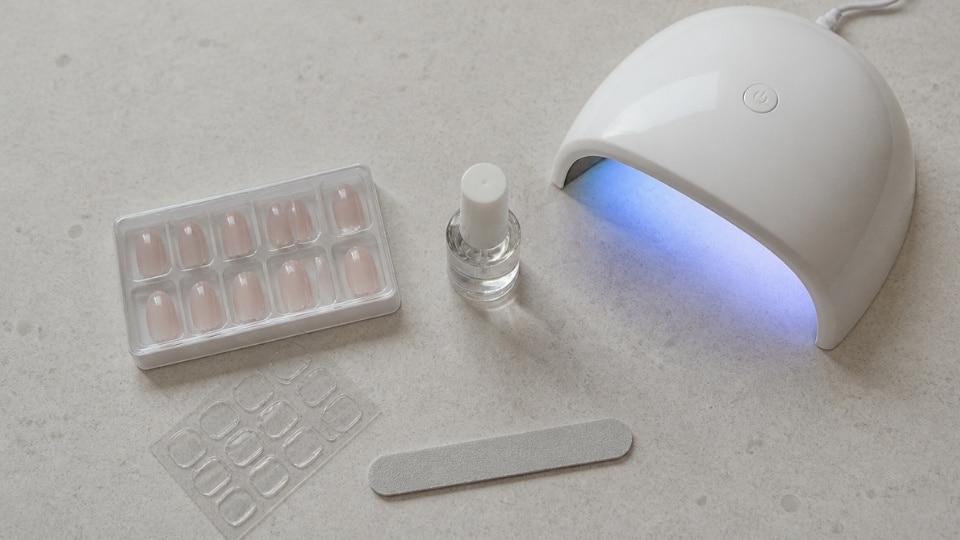
Manicures can also help fix broken or chipped nails and keep your hands looking neat and tidy for special events like weddings or parties. If chipping is a regular problem between appointments, a quick press-on option can hold you over until your next visit.
If it’s for self-care, style, or just some quiet time, manicures are for everyone: kids, teens, adults, girls, and boys. If you have hands, you can enjoy one too!
What Does a Manicure Include?Basic Steps in a Manicure:
|
Each of these steps has a purpose beyond just looking nice. Soaking softens the cuticle and any hardened skin so it lifts away cleanly instead of tearing. Shaping evens out the nail’s stress points, which is why a nail filed in one direction holds up better than one sawed back and forth.
Buffing smooths ridges on the nail’s surface so polish sits flat instead of pooling into lines. And the massage step, when it’s included, is more than a nice touch: it boosts circulation to the fingertips, which can support healthier-looking nail beds over time.
Different Types of Manicures
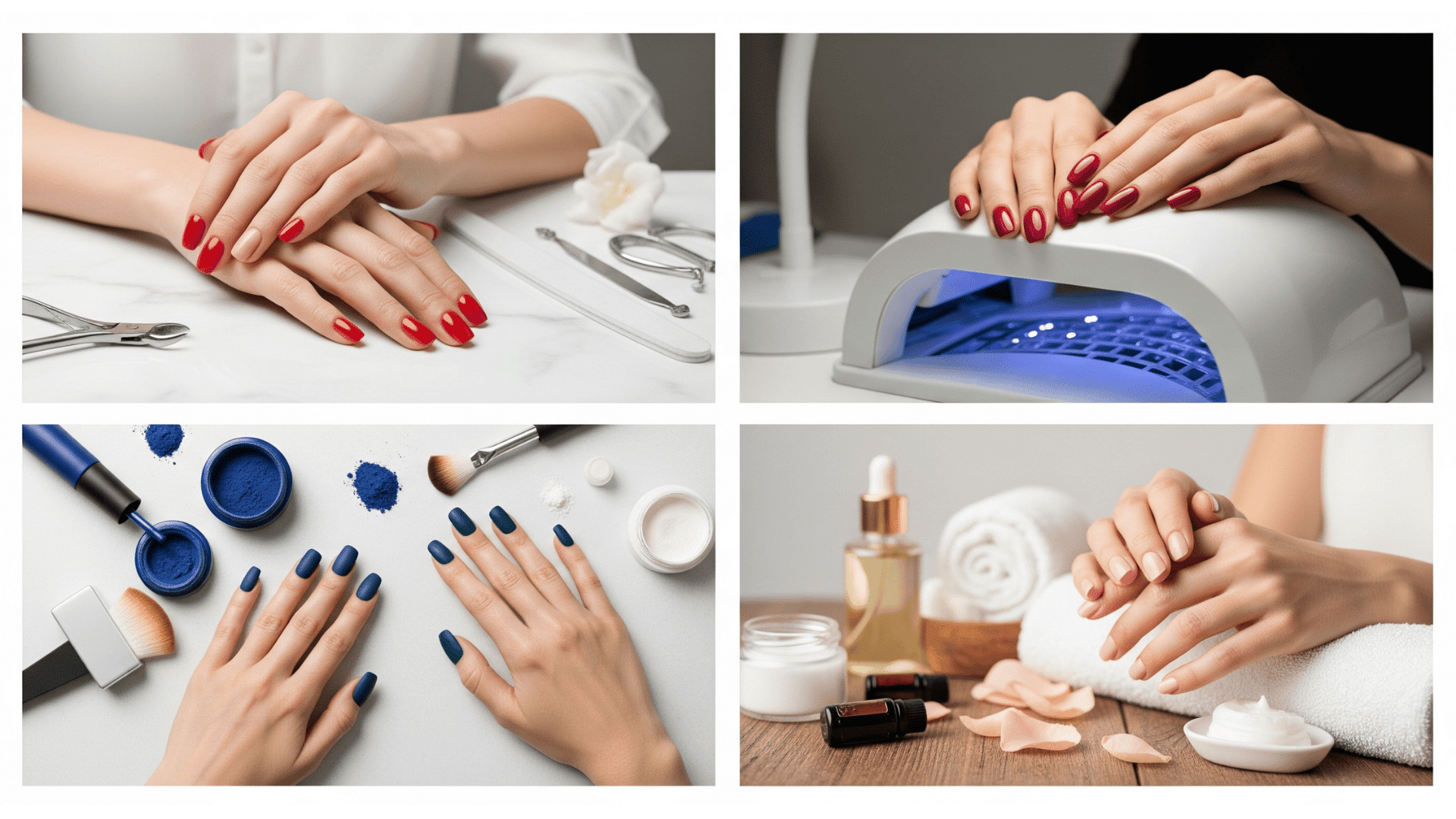
There’s more than one kind of manicure, and each offers something a little different. Some are quick and simple, while others feel like a treat. Here are four popular types to choose from.
1. Classic Manicure
This is the basic and most common type. It includes soaking, trimming, shaping, and applying regular polish.
It’s simple, clean, and perfect for beginners or anyone who wants neat nails. A classic manicure usually costs around $15 to $25, making it an easy and affordable choice.
Regular polish is also the easiest to remove: a cotton pad and standard nail polish remover will take it off in a minute or two, no soaking or filing required. The trade-off is durability. Without a gel or dip layer to protect it, regular polish tends to chip within three to five days, especially on the hands you use most.
2. Gel Manicure
Gel polish is cured with a UV or LED light, which makes it dry fast and last up to two weeks. It doesn’t chip easily and stays glossy the whole time. For anyone comparing durability, this finish holds up almost as well as a shellac nails comparison would suggest.
A gel manicure costs about $30 to $45 and is great for people who want longer-lasting color.
Removal matters more with gel than with regular polish. It needs to soak off in acetone, usually wrapped in foil for about ten to fifteen minutes, rather than being picked or peeled away.
Skipping that soak and pulling the polish off instead is the single most common way people end up with thin, weak nails after a gel manicure. If you get gel regularly, giving your natural nails a short polish-free break every couple of months helps them recover and stay flexible.
3. Dip Powder Manicure
Dip powder gives you strong, smooth nails by dipping them into colored powder. It dries quickly and lasts longer than regular polish, without needing light to set it. If you want extra strength on top of that, some people build up their nails with builder gel nails instead.
This type costs around $35 to $50 and works well for anyone who wants both strength and style.
Dip powder tends to hold up especially well for people whose nails are naturally thin or prone to bending, since the layered powder acts like light armor over the natural nail. It typically lasts three to four weeks before it needs a fresh set, longer than most gel manicures.
The downside is the fill-in: as your natural nail grows out, the gap at the cuticle becomes noticeable sooner than it does with gel, so touch-ups tend to happen more often even though the color itself lasts.
4. Spa Manicure
A spa manicure focuses on pampering. It often includes extras like scrubs, hand masks, warm towels, and long massages.
While it still includes polish, the experience is more relaxing. This type usually costs $40-$70+, making it a perfect treat when you want to unwind.
The extras are also where a spa manicure earns its price. A sugar or salt scrub buffs away rough, dry skin on the hands, a paraffin wax dip can leave skin noticeably softer for a day or two afterward, and the extended massage helps relieve tension built up from typing, scrolling, or repetitive hand work.
If your hands feel dry and worn out more than your nails look bad, this is usually the better choice over a classic manicure.
Choosing a Nail Shape and Length
The type of manicure covers the polish and finish, but shape and length change how the whole look feels day to day. Here’s a quick breakdown of the most requested shapes:
- Square: Straight sides and a flat tip. Durable and low-maintenance, good for shorter nails and anyone who types a lot.
- Round: Follows the natural curve of the fingertip. One of the easiest shapes to maintain since it grows out evenly.
- Oval: A rounded taper that visually lengthens the finger. Slightly more prone to snagging at longer lengths.
- Almond: Tapers to a soft point. Popular for an elegant look, but the tip is thinner and can be more delicate.
- Squoval: A square shape with softened corners. Combines the strength of square with a slightly softer look.
As a general rule, shorter and rounder shapes hold up better for anyone who works with their hands often, while longer, tapered shapes are better suited to lower-impact days.
Average Manicure Costs
Not sure how much a manicure might cost? Here’s a quick look at the typical price range for each type. If you’re planning a full pampering day, it also helps to check pedicure pricing so you can budget for both.
Keep in mind that prices can vary based on location, salon, and any extras you add (like nail art or hand treatments).
| TYPE OF MANICURE | AVERAGE COST (USD) |
|---|---|
| Classic Manicure | $15 – $25 |
| Gel Manicure | $30 – $45 |
| Dip Powder Manicure | $35 – $50 |
| Spa Manicure | $40 – $70+ |
These prices are just a guide. Some salons may charge a bit more or offer deals. If you’re doing it at home, you’ll save in the long run; just invest in a basic manicure kit to get started!
How Often Should You Get a Manicure?
You can get a manicure as often as you like, but most people go every 1 to 2 weeks to keep their nails looking clean and fresh.
If you opt for gel or acrylic nails, you may only need a visit every 2 to 3 weeks, as they last longer.
The best schedule depends on how quickly your nails grow, your daily activities, and the type of manicure you get.
Regular care helps keep your nails healthy and tidy.
How to Take Care of Your Nails After a Manicure
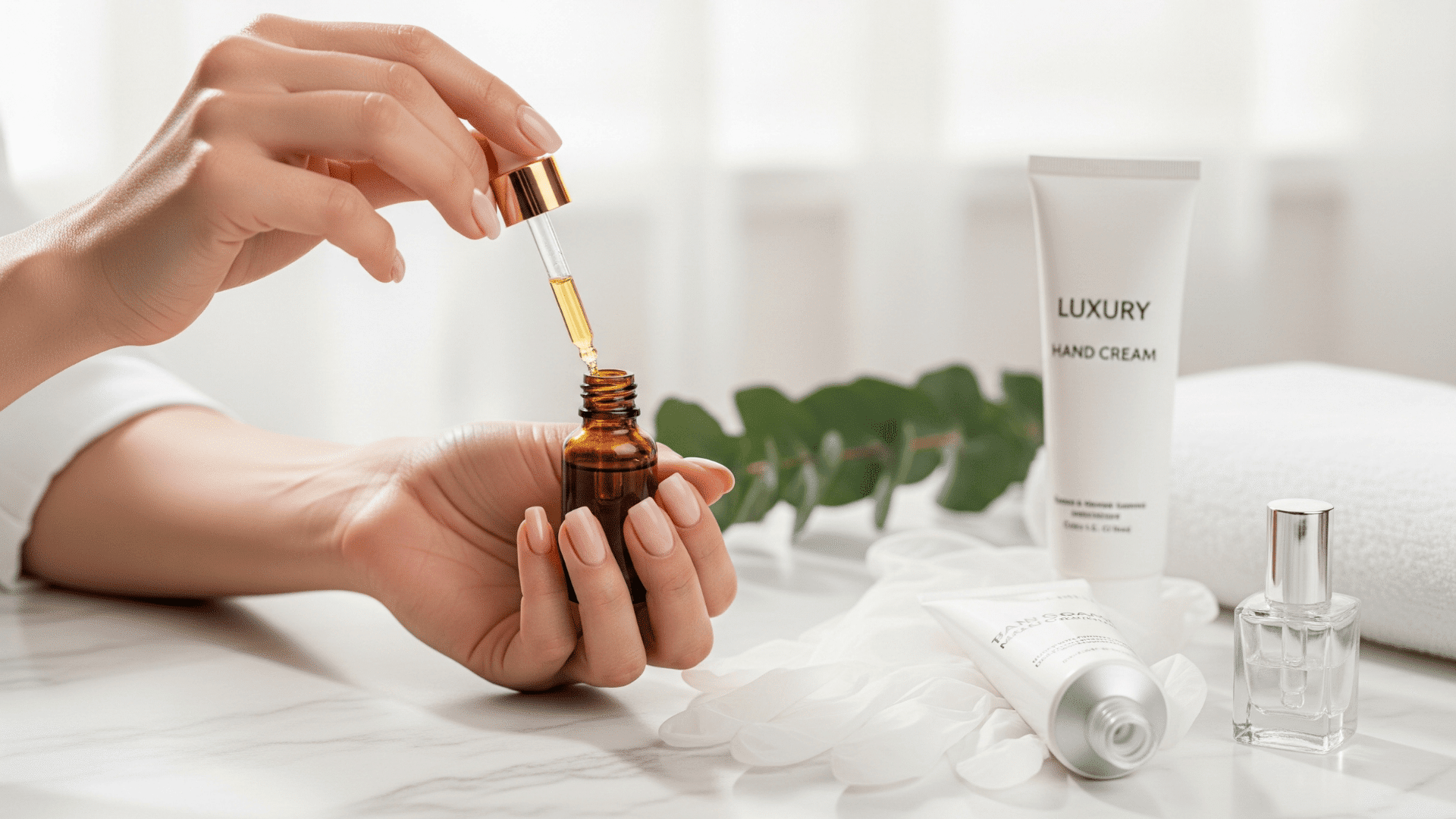
A few simple habits can help your manicure stay neat and protect your natural nails. Follow these steps after leaving the salon:
- Step 1: Keep your hands dry: Avoid long showers, swimming, or soaking your hands for a few hours after polishing. This gives the polish enough time to fully set.
- Step 2: Apply cuticle oil daily: Massage a small drop around each nail to keep the cuticles soft and reduce dry, cracked skin.
- Step 3: Moisturize your hands often: Apply hand cream after washing your hands and before bed. This helps prevent dryness around the nails.
- Step 4: Wear gloves for household chores: Protect your manicure with rubber gloves when washing dishes, cleaning, or handling strong products.
- Step 5: Never peel off the polish: Peeling can remove thin layers from the nail plate, leaving your nails weak, rough, or prone to splitting.
- Step 6: Touch up small chips: Add a thin layer of matching polish if needed, then seal the nail with a clear top coat.
These small steps help prevent early chips, dryness, and nail damage. With regular care, you can keep your manicure looking fresh for longer.
Salon Hygiene: What to Look For
Not all salons handle tools the same way, and it’s worth paying attention before you sit down. A clean, well-run salon will:
- Use single-use files, buffers, and orange sticks, or sanitize reusable metal tools between clients
- Disinfect foot basins or bowls between clients if you’re also getting a pedicure
- Avoid cutting cuticles too aggressively, since broken skin is an easy entry point for infection
- Let you bring your own tools if you prefer, without pushback
If your cuticles are cut too short, or if a technician uses a metal tool that clearly wasn’t sanitized between clients, that’s worth speaking up about or simply choosing a different salon next time. Small nail infections are usually minor, but they’re also easy to avoid.
Where to Get a Manicure
Here’s a simple table comparing salon manicures and doing them at home:
| OPTION | SALON | AT HOME |
|---|---|---|
| Time | 30 to 60 minutes | 30+ minutes |
| Cost | $15–$70+ | Low (after buying supplies) |
| Skill | Done by a trained professional | Needs practice |
| Tools | All provided | You need your own kit |
| Relaxing | Yes, sit back and enjoy | Can be fun, but more hands-on |
| Designs | Wide range of styles available | Limited to your own skill level |
Both are great choices; you pick what works best for you!
Common Manicure Mistakes to Avoid
Even small mistakes can mess up a good manicure, and a few of them do more damage than they seem to at first glance:
- Skipping the base coat: it seems harmless, but it’s what keeps darker or brighter polish from staining the nail underneath, and it gives the color something to grip so it doesn’t peel up at the edges within a day.
- Using old or thick polish: polish that’s gone gloopy applies unevenly and takes longer to dry, which makes smudges and dents far more likely.
- Filing nails back and forth too quickly: sawing motion, rather than filing in one direction, creates tiny stress fractures in the nail that show up later as splitting or peeling layers.
- Cutting cuticles too much: cuticles protect the base of the nail, so over-trimming leaves that area exposed and more prone to irritation or infection.
- Peeling gel polish off instead of soaking it: peeling pulls away thin layers of the nail plate along with the polish, leaving nails weak and papery until they grow back out.
- Forgetting hand lotion: dry skin around the nail bed cracks more easily, which can chip fresh polish at the edges sooner than it should.
- Not letting nails dry fully: rushing the dry time is one of the most common reasons a fresh manicure ends up with a dent or smudge before it even leaves the salon chair, since the surface can look dry while the layers underneath are still soft.
None of these mistakes are hard to avoid once you know what’s behind them, and skipping them is usually the difference between a manicure that lasts and one that chips within a day or two.
Frequently Asked Questions
How long does a manicure usually take?
Most manicures take between 30 and 60 minutes at a salon, depending on the type you choose and whether you add nail art or extra treatments.
Can I do a manicure at home without a kit?
You can do a basic version with nail clippers, a file, and lotion, but a simple at-home kit makes shaping, buffing, and polish application much easier.
Is a gel manicure bad for your nails?
Gel manicures are generally safe when applied and removed properly. Problems usually happen when polish is peeled off instead of soaked away, which can weaken the nail.
What is the difference between a manicure and a pedicure?
A manicure focuses on the hands and nails, while a pedicure covers the feet and toenails. Both usually follow a similar process of soaking, shaping, and polishing.
How soon can I wash dishes after a manicure?
It is best to wait a few hours before getting your hands wet, and wearing gloves afterward helps protect fresh polish from chipping or peeling early.
Do manicures help with nail growth?
A manicure will not speed up growth on its own, but regular trimming, moisturizing, and cuticle care create healthier conditions that help nails grow stronger over time.
Why do my nails feel weak after getting gel or acrylic removed?
This usually comes down to how the polish was removed rather than the polish itself. Proper soak-off removal is gentle, but picking, peeling, or aggressive filing takes thin layers of the nail plate off with it, which is what leaves nails feeling flexible or papery until they grow back out.
Can kids get manicures safely?
Yes, as long as the products used are gentle and the technician avoids harsh chemicals or aggressive cuticle trimming. A simple trim, buff, and kid-safe polish is usually enough, without needing gel, acrylic, or acetone-heavy removal.
Key Takeaway
Now that you know what a manicure is, what does a manicure includes, and the different types available, you’re all set to pick the one that fits you best.
If you want something quick, like a classic polish or a long-lasting gel, or a dip, there’s a manicure out there for everyone.
You can visit a salon for a pampering session or try it at home for fun and savings. Manicures help your nails look great and feel healthy, all while giving you a little time to relax.
So go ahead, treat yourself! Your hands work hard every day; they deserve a little love. Ready to give your nails a fresh look? Grab your polish or book that appointment today!