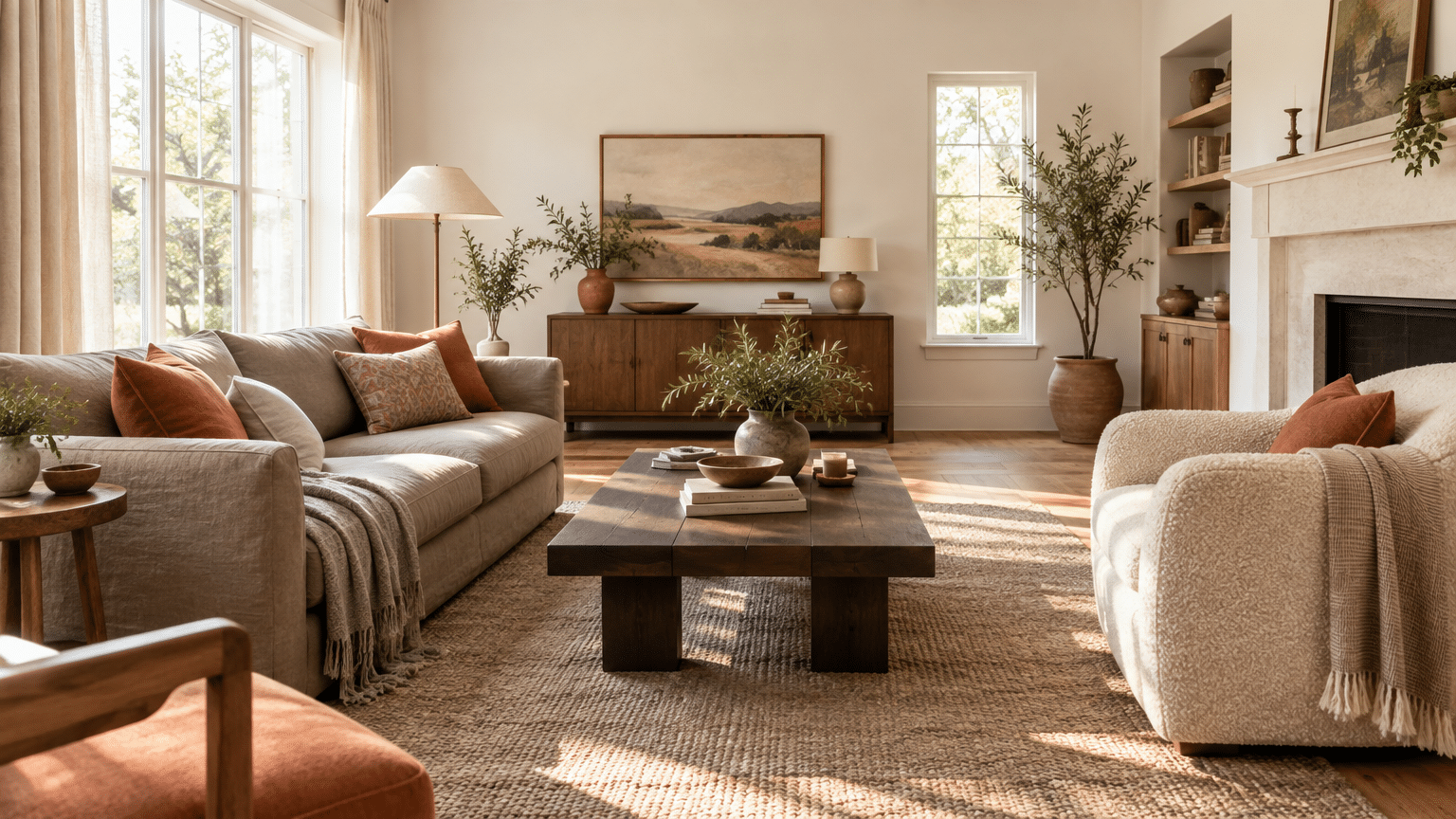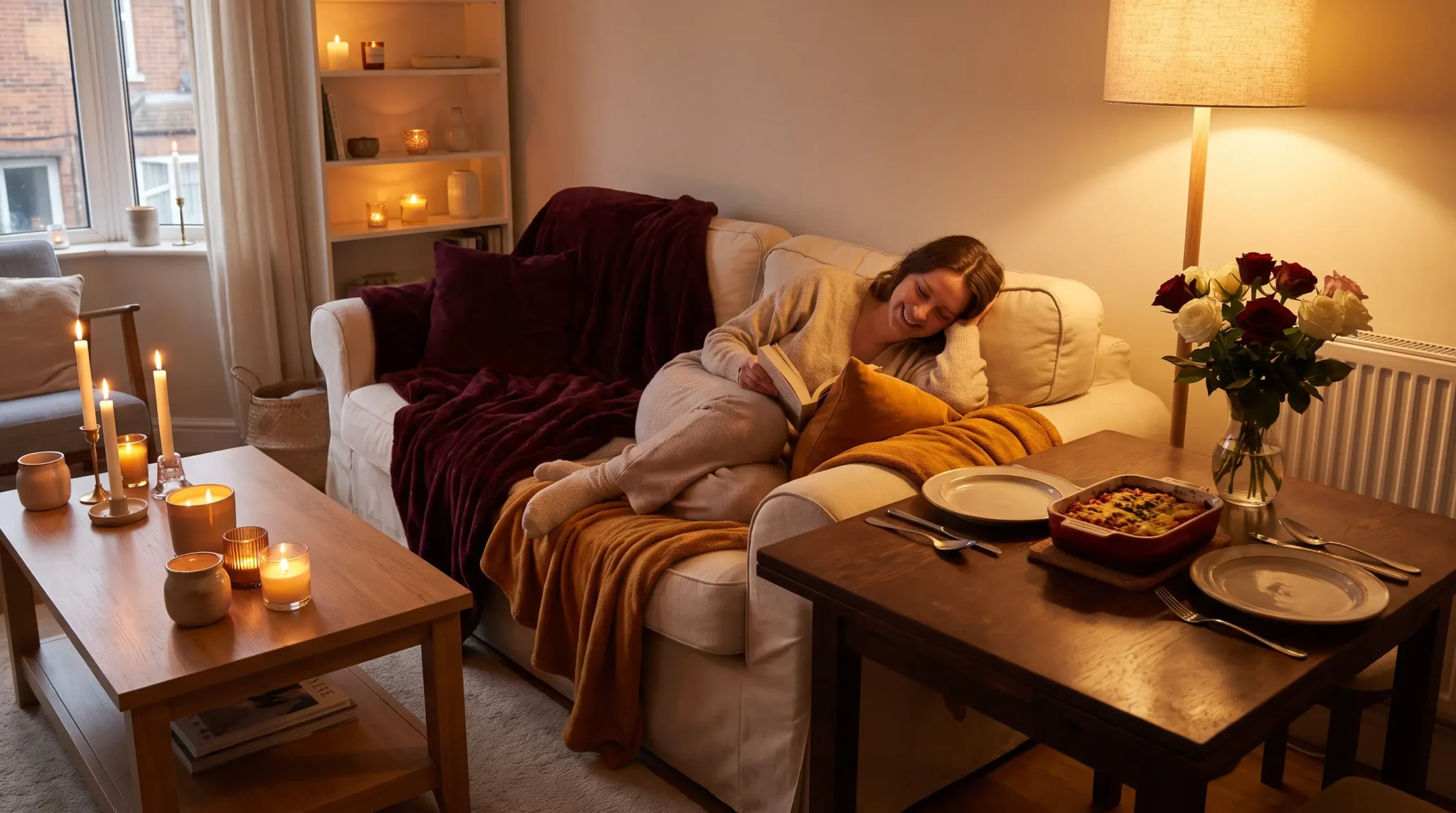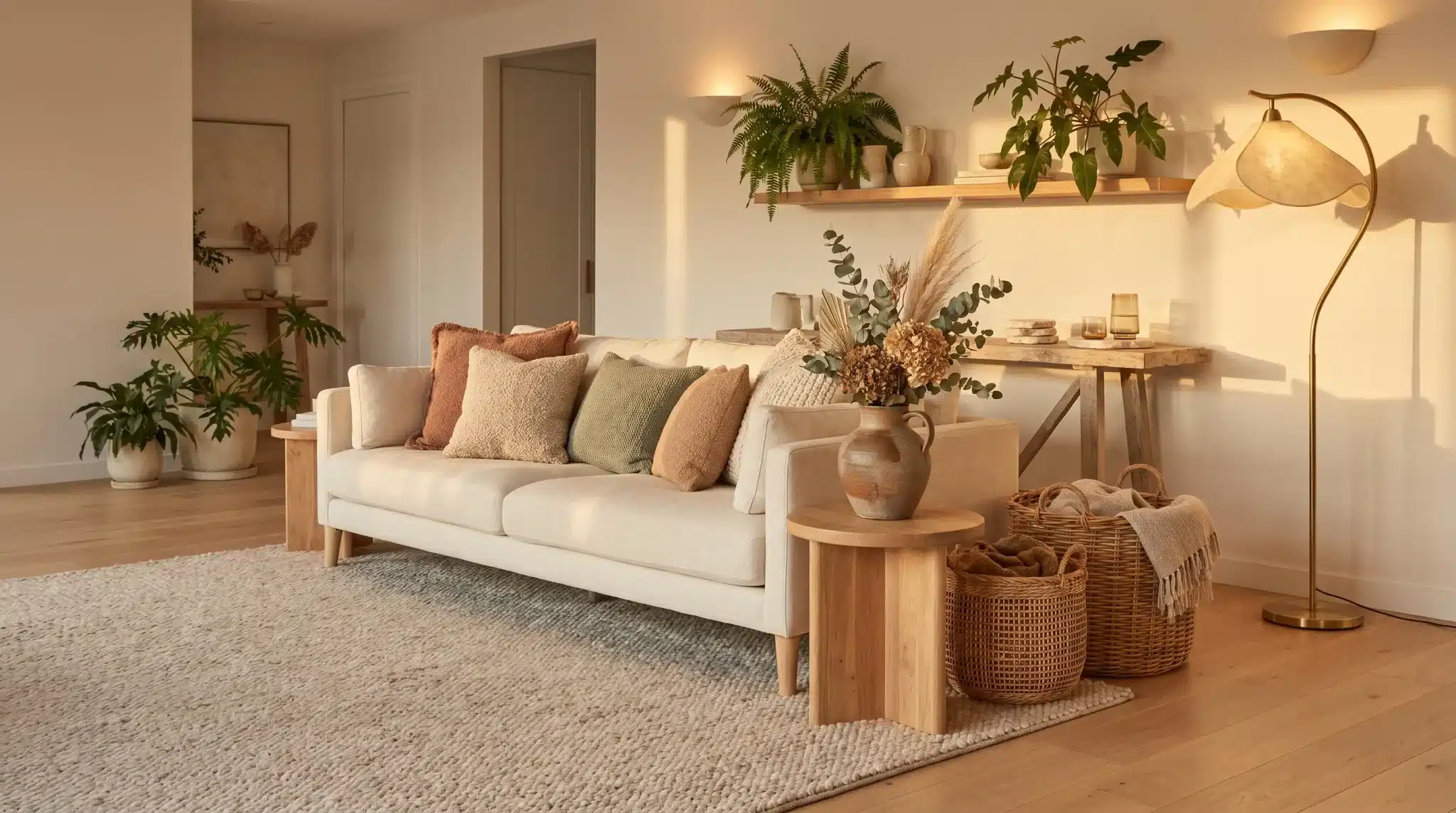
Personal home styling is about building a space that feels intentional, useful, and specific to the people who live there. The best interiors are not copied from a showroom. They combine layout, lighting, texture, colour, storage, and personal detail in a way that supports daily life.
Good decor also has structure. A room can feel relaxed and personal while still following clear design principles. The key is to make creative choices that improve how the space looks and functions.
Start With the Way the Room Is Used
Before choosing decor, define the room’s main function. A sitting room used for quiet evenings needs a different setup from one used for hosting, children, or remote work.
Look at movement first. Walkways should stay open. Seating should support conversation. Storage should sit close to where items are used.
A well-styled room feels effortless because the layout solves practical problems before decorative layers are added.
Use Lighting as a Design Feature
Lighting changes the mood of a room more than almost any other decor choice. A single ceiling light usually makes a space feel flat. Layered lighting adds depth and control.
Use ambient lighting for general brightness, task lighting for reading or work, and accent lighting to highlight art, shelves, plants, or architectural details.
Statement lighting can also add personality. In bedrooms, studios, games rooms, or home bars,custom neon signscan create a focal point when the colour, wording, and scale match the room rather than overpower it.
The best lighting plan should allow different settings for daytime, evening, entertaining, and focused tasks.
Build a Consistent Colour System
A strong colour system keeps a home from feeling random. This does not mean every room must match. It means colours should relate to each other.
Start with a base colour for walls or large furniture. Add one or two supporting colours through rugs, curtains, cushions, art, or painted furniture.
Use accent colours carefully. They work best when repeated in small amounts across the room.
Practical Colour Rules
A balanced room usually includes:
- One dominant neutral or grounding tone
- One secondary colour for warmth or contrast
- One accent colour used in small details
- Repeated tones across textiles, artwork, and accessories
- Enough negative space to prevent visual clutter
Colour should support the feeling of the room. Soft tones can calm a bedroom. Deeper colours can make a dining area or reading corner feel more defined.
Mix Textures for Depth
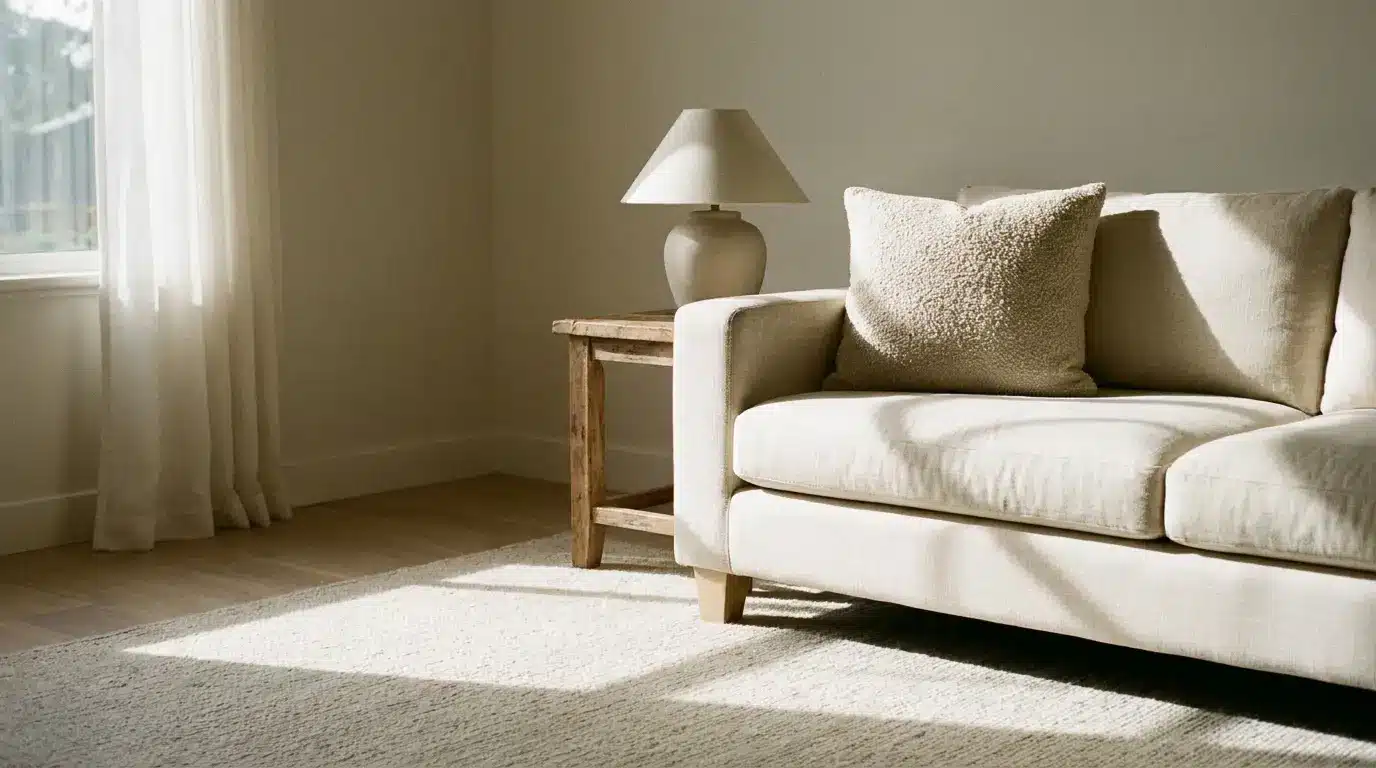
Texture makes a room feel layered. Even a neutral room can look rich when it includes different surfaces.
Combine soft fabrics, smooth ceramics, woven baskets, timber, glass, metal, stone, or linen. The contrast keeps the eye moving without relying on bold colour.
For example, a cream sofa becomes more interesting with a boucle cushion, timber side table, wool rug, and ceramic lamp.
Texture also affects comfort. Rugs reduce echo. Curtains soften light. Upholstery makes hard furniture feel more inviting.
Style Walls With Purpose
Walls should not be filled just to avoid empty space. Each wall should have a purpose.
A gallery wallworks well in a hallway, stairwell, or living area if the frames share a consistent colour, spacing, or theme. Large single artwork works better where the room already has several patterns or objects.
Shelving can be decorative and useful. Mix books, framed images, ceramics, small plants, and storage boxes. Leave open space between objects so the shelf does not feel crowded.
Wall decor should match the scale of the furniture below it. Small art above a large sofa often feels disconnected. Larger pieces or grouped frames usually work better.
Create Personal Moments
Personal styling works when a home shows memory, taste, and routine. Small details can make a room feel collected rather than staged.
Use objects with meaning, but edit them. A few strong pieces are better than many unrelated items.
Good personal decor includes travel objects, family photos, inherited furniture, handmade ceramics, framed prints, books, or pieces linked to hobbies.
The goal is not to display everything. The goal is to choose items that create a clear sense of identity.
Use Seasonal Decor Without Clutter
Seasonal styling should refresh a home without requiring a full redesign. Swap small items rather than major furniture.
In spring and summer, use lighter fabrics, fresh greenery, brighter tableware, and breathable textures. In autumn and winter, use heavier throws, deeper colours, candles, and warmer lighting.
Outdoor styling can also support personal expression for birthdays, garden parties, graduations, or family gatherings. Decorative displays usingyard sign letterscan help mark special occasions outside the home while keeping the interior decor unchanged.
Seasonal decor works best when it is easy to install, remove, and store.
Make Storage Part of the Style
Storage is one of the most overlooked parts of home styling. A room cannot feel calm if everyday items have nowhere to go.
Choose storage that fits the room’s style. Use closed cabinets for visual clutter, baskets for soft items, trays for small objects, and open shelving for attractive pieces.
Storage Ideas That Look Intentional
Useful options include:
- Woven baskets for blankets or toys
- Storage ottomans for living rooms
- Wall hooks near entrances
- Drawer organisers for small items
- Decorative boxes for remotes and cables
- Floating shelves for books and display pieces
Good storage reduces mess without making the room feel overly controlled.
Finish With Editing
The final step in home styling is editing. Remove anything that does not support the room’s function, colour system, or mood.
Step back and look at the room as a whole. Check whether the furniture scale works, whether surfaces are overcrowded, and whether lighting reaches the right areas.
A personal home should not feel perfect. It should feel considered.
Final Thoughts
Creative decor works best when personal taste is supported by practical design. Layout, lighting, colour, texture, storage, and meaningful details all matter.
The strongest homes are not filled with decoration. They are edited, layered, and lived in.
When every piece has a purpose, a home feels personal without feeling cluttered.