I noticed the fine lines around my eyes before I noticed much else. It happened faster than I expected, and my first move was buying whatever oil had the best reviews that week. That didn’t really work.
A few bottles later, mostly unused, I figured out that facial oils don’t fix wrinkles. They just aren’t built for that. What they’re actually good at is hydration and keeping the skin barrier in decent shape.
So the best oil for wrinkles really depends on your skin, not the label. Dry skin wants something richer. Sensitive skin wants less going on in the ingredient list.
Below are the oils I keep coming back to, what they do on your face, and where they tend to fall short.
What is the Best Oil for Wrinkles?
Short answer: there isn’t one. A bottle claiming to fix every face is marketing, not chemistry. What an oil does depends on what’s in it, and mostly that means moisture, texture, and comfort, not miracles.
|
A few keep coming up in dermatology circles. Rosehip oil has a solid fatty acid profile, often recommended for dry or uneven skin. Squalane is lighter and cuts moisture loss without feeling heavy; sensitive skin usually tolerates it well. Argan brings fatty acids and vitamin E, which is good if your skin leans dry. Jojoba is close enough to your skin’s natural oil that combination types tend to get along with it. Sea buckthorn brings a heavy dose of antioxidants along with fatty acids that help the barrier hold onto moisture, though its deep orange tint can temporarily stain lighter fabrics or skin if you’re not careful with the dropper. |
None of them erase a wrinkle. Used consistently, they can make fine lines a bit less obvious once skin gets the hydration it needs. That’s the whole deal, and it’s a fair one.
Best Oils for Wrinkles to Add to Your Skincare Routine
Some oils are lightweight enough for everyday use, while others are richer options for dry skin that needs extra nourishment. These picks include affordable choices and higher-end formulas, so you can compare what works best for your skincare needs.
1. The Ordinary 100% Organic Cold Pressed Rose Hip Seed Oil
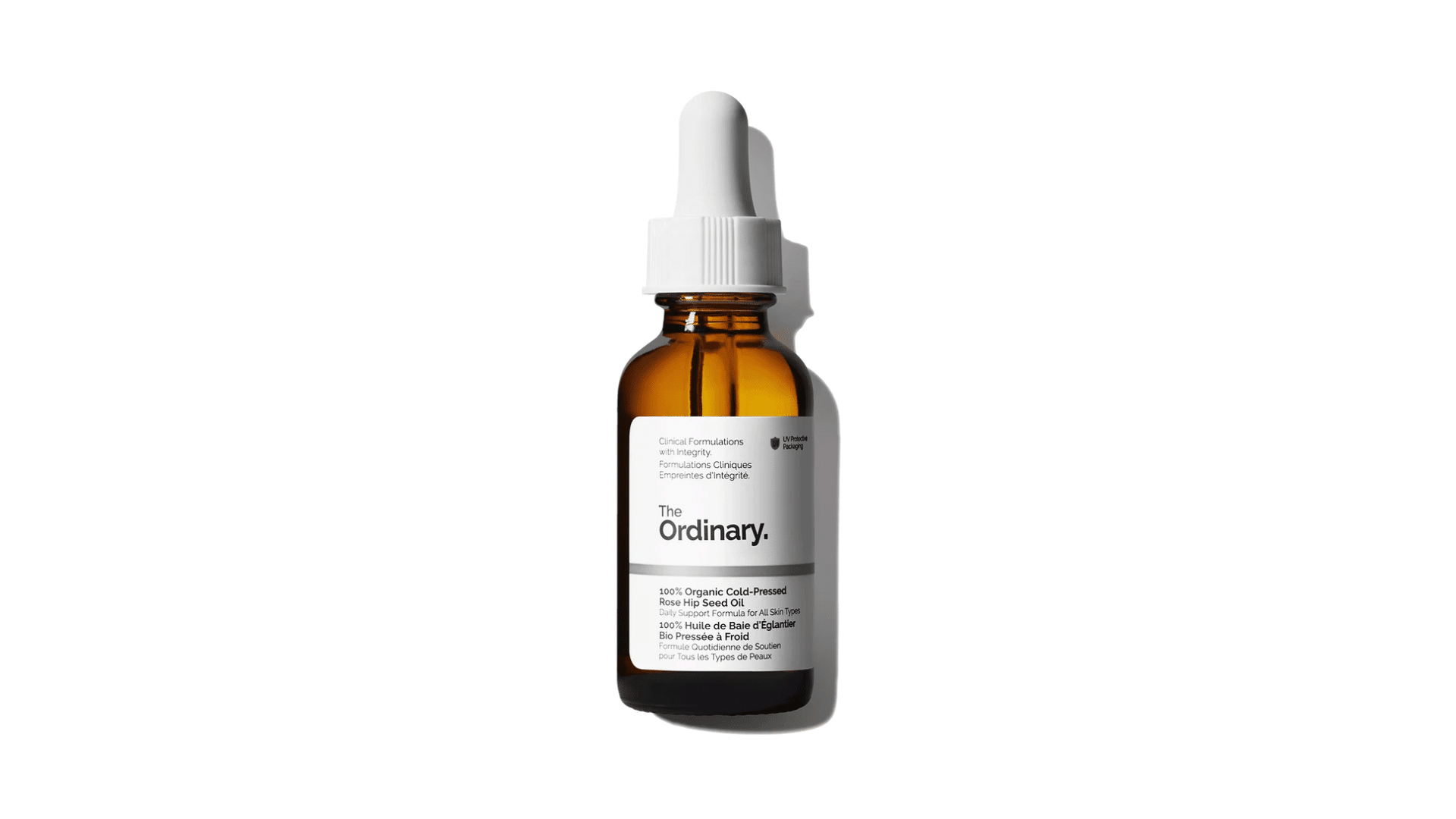
The Ordinary 100% Organic Cold Pressed Rose Hip Seed Oil is a simple and affordable way to try rosehip oil without spending much.
It’s under $15 at most places, lightweight, and there’s no long ingredient list to decode. Good starting point if you’ve never used a facial oil before.
- Best for: Dry skin and tighter budgets
- Key benefits: Lightweight texture, simple formula, contains rosehip seed oil, budget-friendly option
- Finish: Soft, nourished feel without a heavy layer
- Pros: Affordable, beginner-friendly, easy to add to an existing routine
- Cons: May feel too light for very dry skin needing richer hydration
2. Biossance 100% Squalane Oil
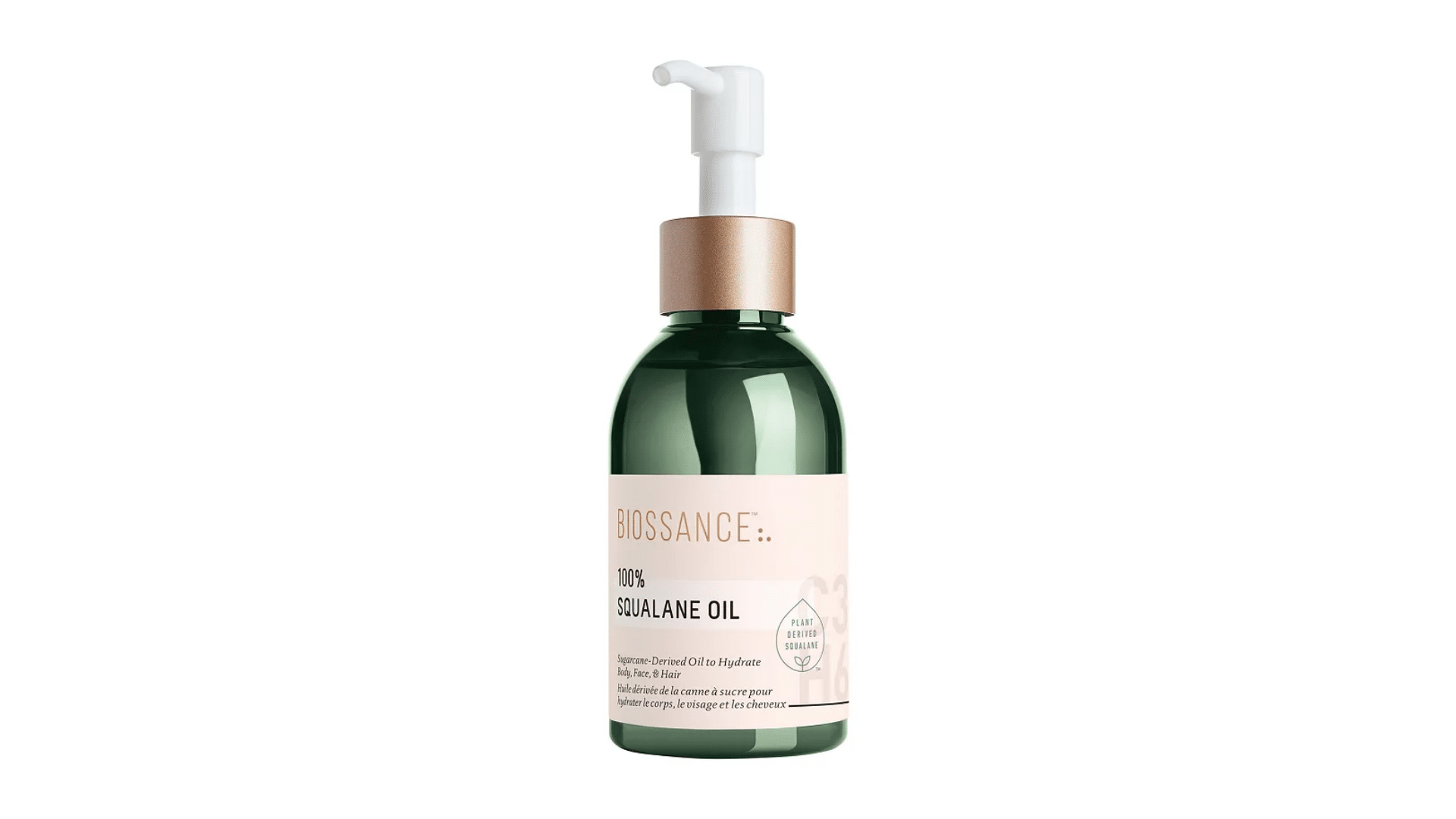
Biossance 100% Squalane Oil keeps things simple with a lightweight formula focused on hydration. Since it does not feel heavy, it can easily fit into a routine that already includes serums, moisturizers, or sunscreen.
Sensitive and combination skin types usually do well with it.
- Best for: Sensitive and combination skin
- Key benefits: Lightweight hydration, helps support moisture balance, easy layering
- Finish: Light and fast-absorbing
- Pros: Simple ingredient list, works well with other skincare products, non-heavy feel
- Cons: May not feel rich enough for very dry skin
3. Josie Maran 100% Pure Argan Oil
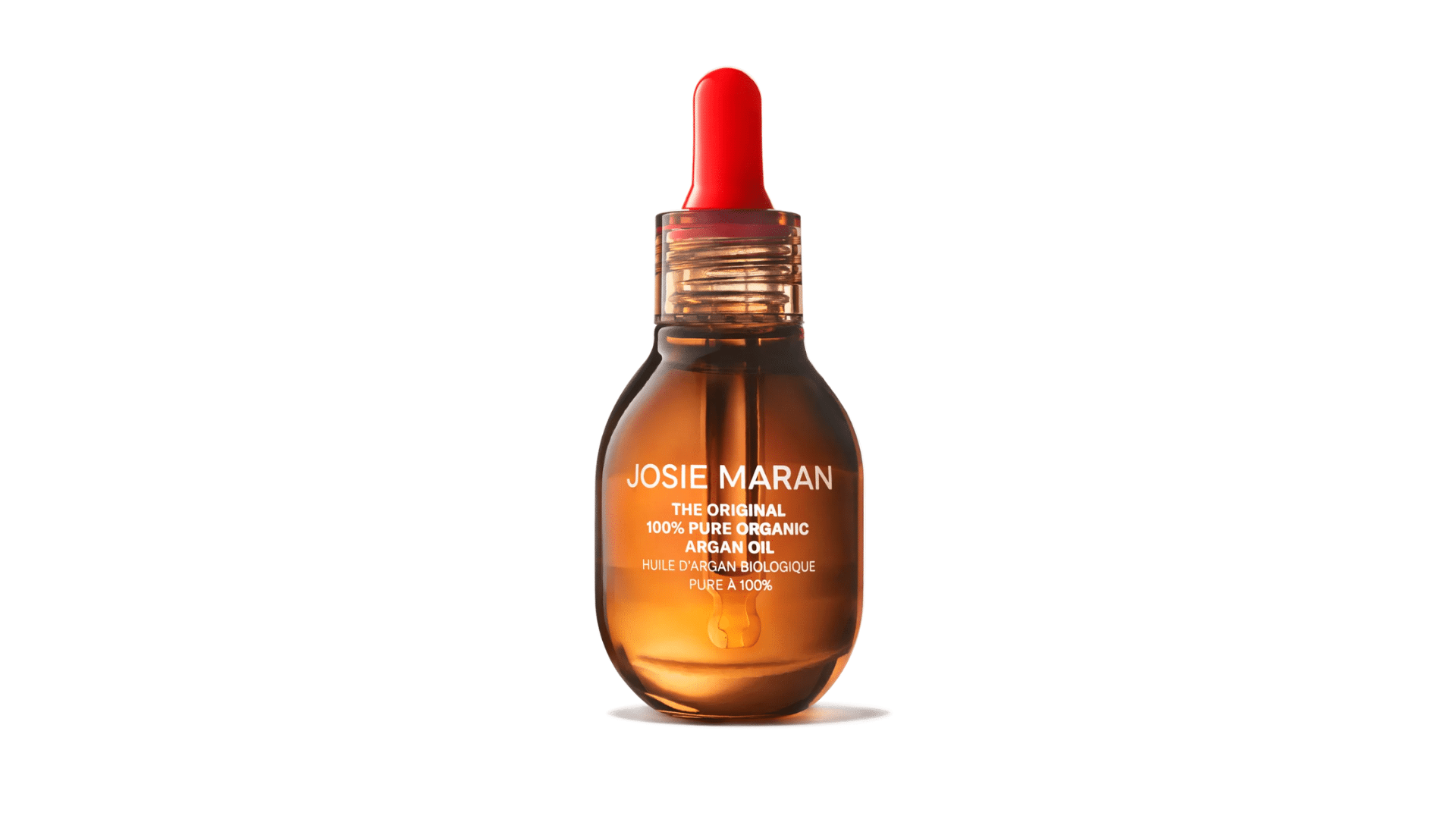
This one’s been around forever, and there’s a reason for that. Josie Maran 100% Pure Argan Oil has remained a popular choice because of its nourishing texture and straightforward formula.
Solid fatty acid content, added vitamin E, and it genuinely helps if your skin gets dry in the colder months. I’d reach for this over many newer, more expensive argan oils.
- Best for: Dry skin
- Key benefits: Contains argan oil and vitamin E, supports skin softness, nourishing texture
- Finish: Smooth and slightly richer feel
- Pros: Reliable formula, good for seasonal dryness, multi-use product
- Cons: Rich texture may not suit oily skin types
4. Pai Skincare Rosehip Bioregenerate Oil
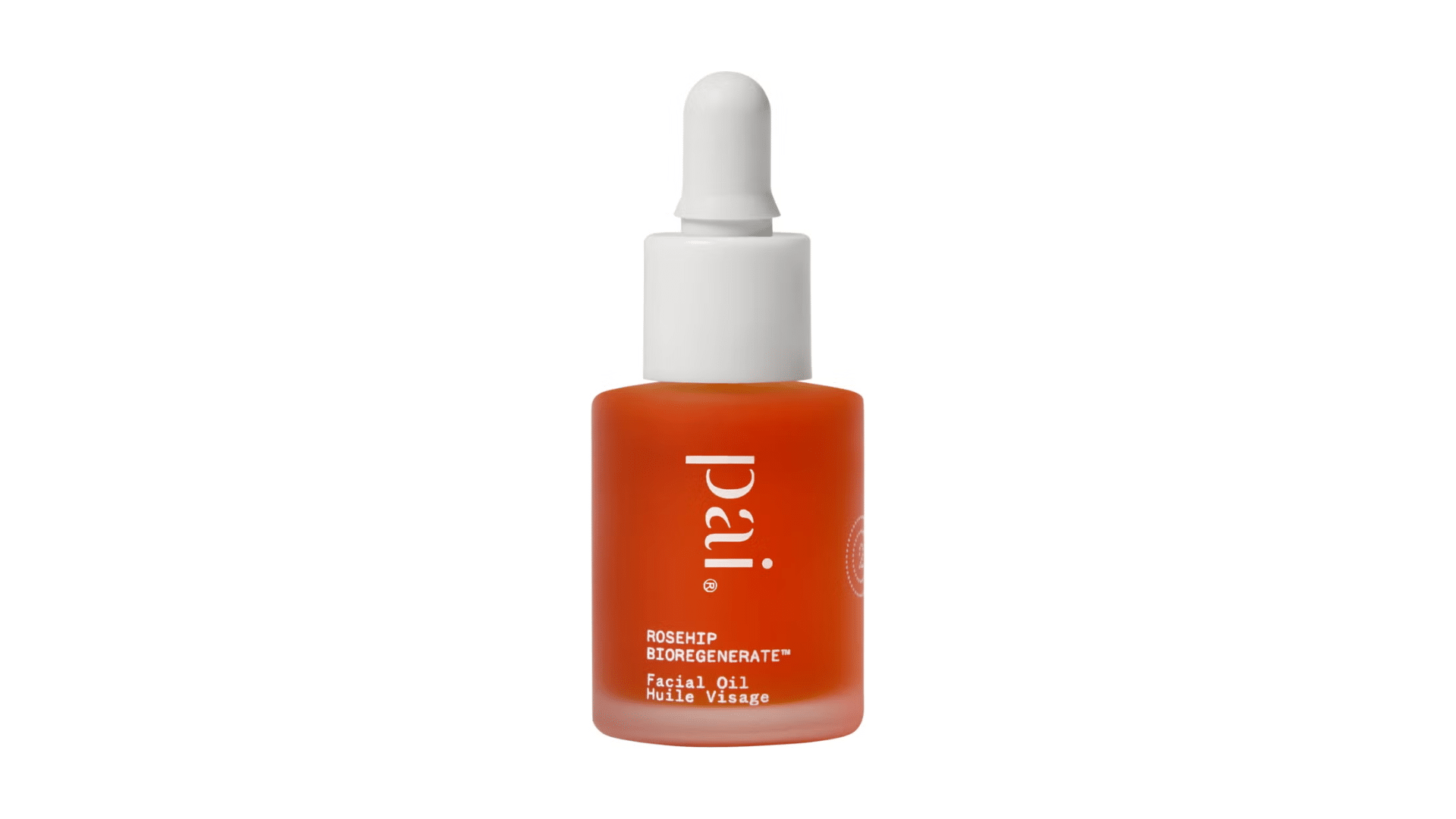
A gentler take on rosehip, built specifically with sensitive skin in mind. It’s lighter than a lot of rosehip formulas out there, so if you’ve reacted to rosehip oil before, this might be worth a second attempt.
Pai Skincare Rosehip Bioregenerate Oil offers that gentler approach to using rosehip oil, especially for sensitive skin.
- Best for: Sensitive and dry skin
- Key benefits: Rosehip-based formula, lightweight feel, supports skin comfort
- Finish: Soft and lightweight
- Pros: Designed for sensitive skin, plant-based formula, easy to use
- Cons: Higher price compared with basic rosehip oils
5. Herbivore Botanicals Phoenix Facial Oil
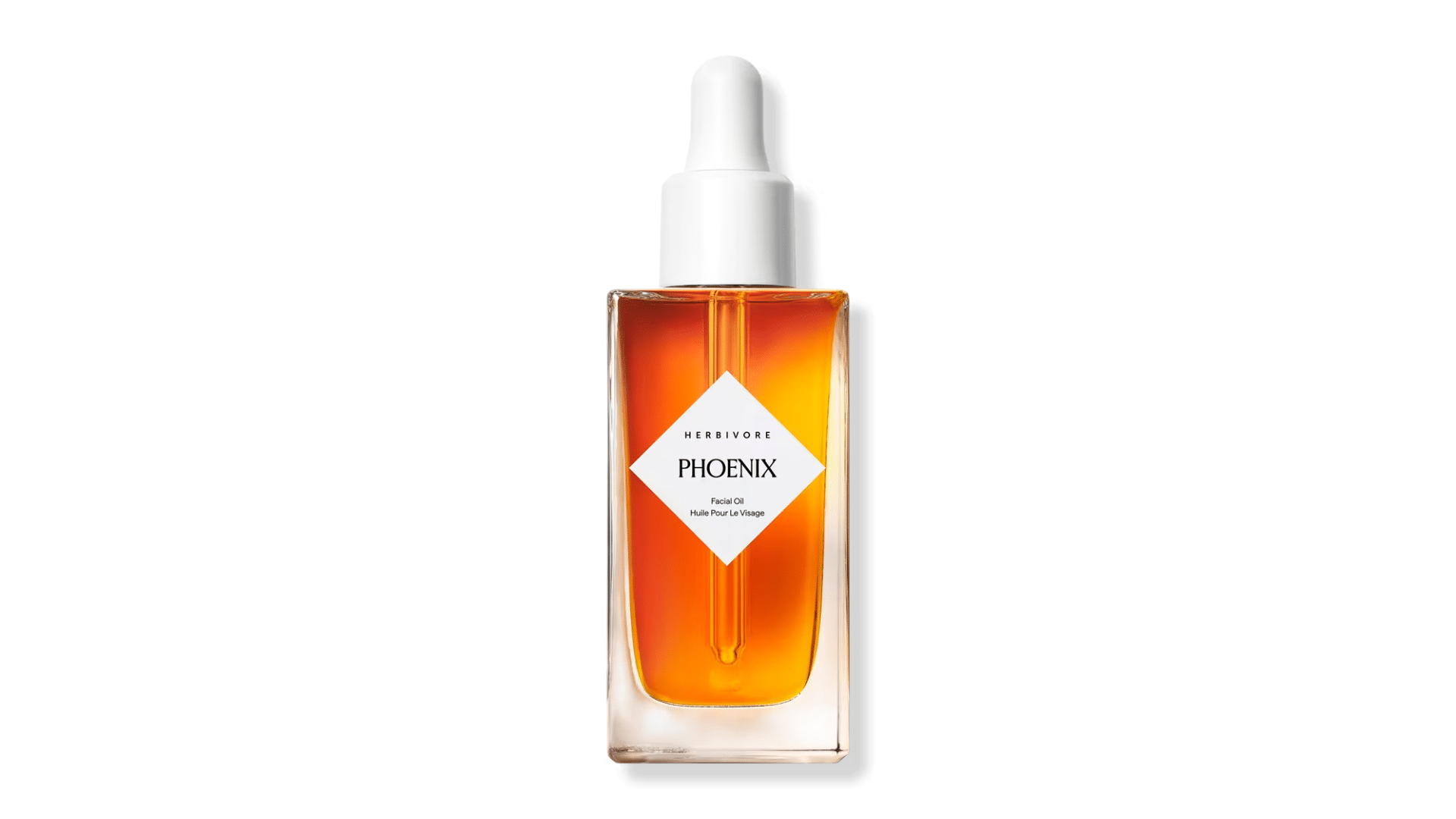
Herbivore Botanicals Phoenix Facial Oil is a richer botanical blend made for skin that needs extra moisture. Better suited to nighttime than anywhere near your morning routine.
Built around rosehip and sea buckthorn, this is the one to reach for when your skin needs more than a light layer can give it, especially in dry, mature skin.
- Best for: Dry mature skin
- Key benefits: Botanical oil blend, nourishing texture, supports overnight hydration
- Finish: Rich and comforting
- Pros: Good for dry skin routines, luxurious texture, ideal for nighttime use
- Cons: May feel too heavy for oily skin
6. Sunday Riley Luna Sleeping Night Oil
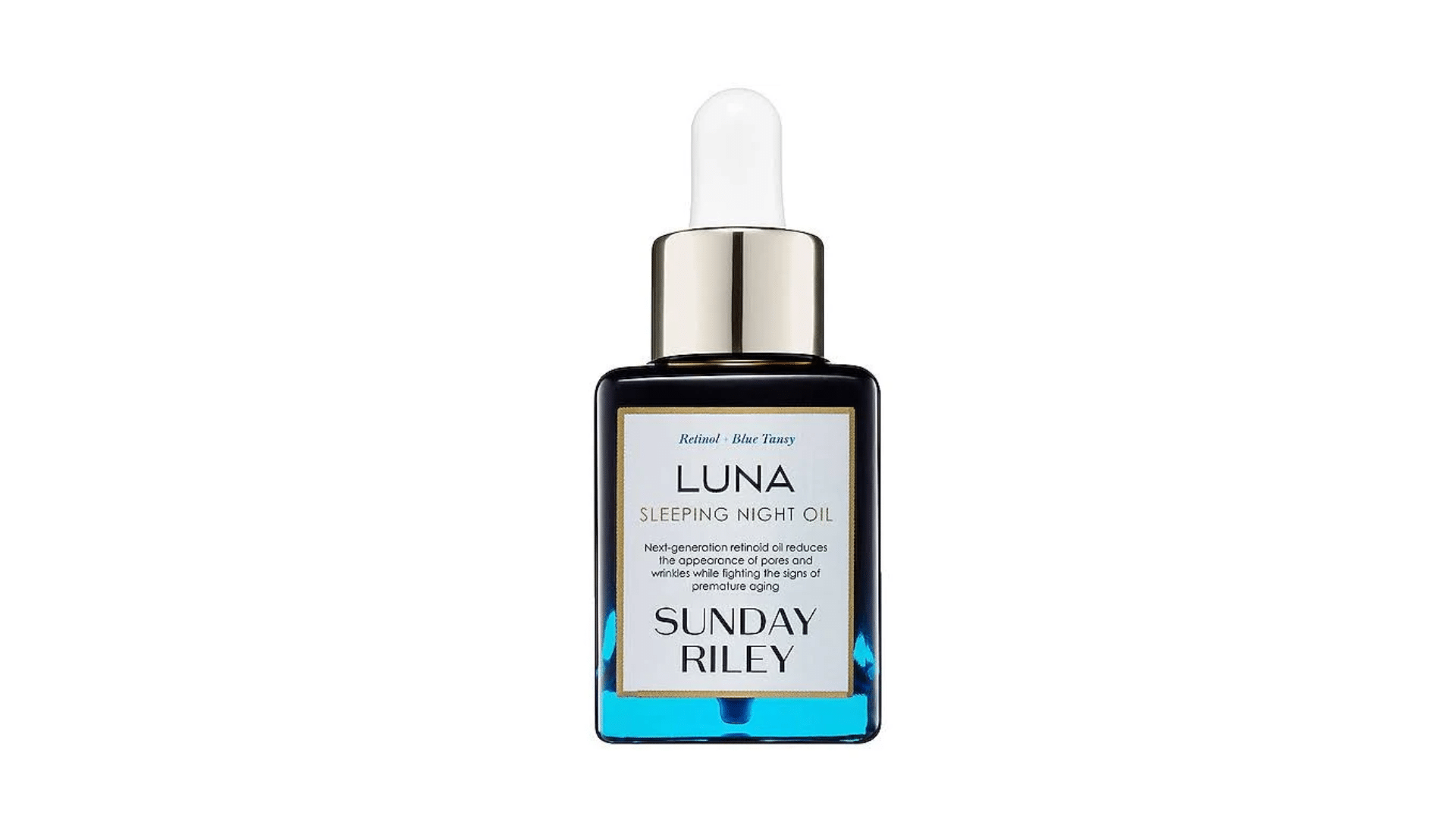
This isn’t your average facial oil. It’s built around retinoid ester technology, so it does more of the active work than a plain oil would while you sleep.
Sunday Riley Luna Sleeping Night Oil combines facial oil with retinoid ester technology, making it different from standard hydration-focused oils. Worth it if you’re already interested in nighttime anti-aging steps and want something that does a little extra.
- Best for: People building a nighttime skincare routine
- Key benefits: Contains retinoid ester technology, supports smoother-looking skin texture, nighttime formula
- Finish: Lightweight oil texture
- Pros: Combines oil with an active skincare ingredient, designed for overnight use
- Cons: Premium price point, may not suit beginners using active ingredients
7. Kiehl’s Midnight Recovery Concentrate
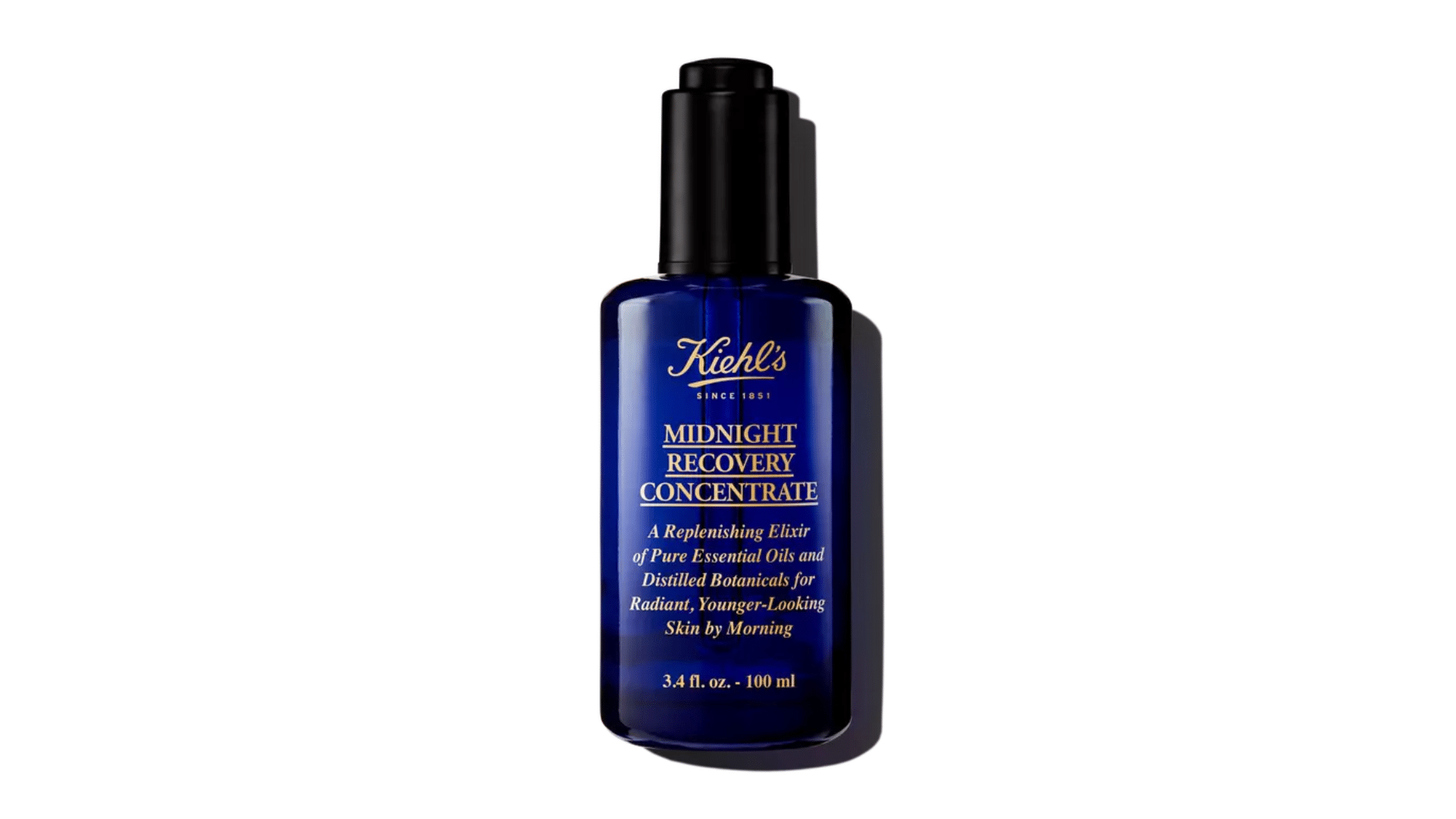
A cult classic at this point, and for good reason. Kiehl’s Midnight Recovery Concentrate is a long-running facial oil choice built around overnight hydration.
It’s a botanical blend meant for overnight hydration, with a texture light enough to layer under a night cream without feeling greasy the next morning.
- Best for: Normal to dry skin
- Key benefits: Botanical oil blend, lightweight feel, supports overnight moisture
- Finish: Smooth and comfortable
- Pros: Easy to layer, pleasant texture, long-standing formula
- Cons: Contains essential oils that may not suit everyone
8. Drunk Elephant Virgin Marula Luxury Facial Oil
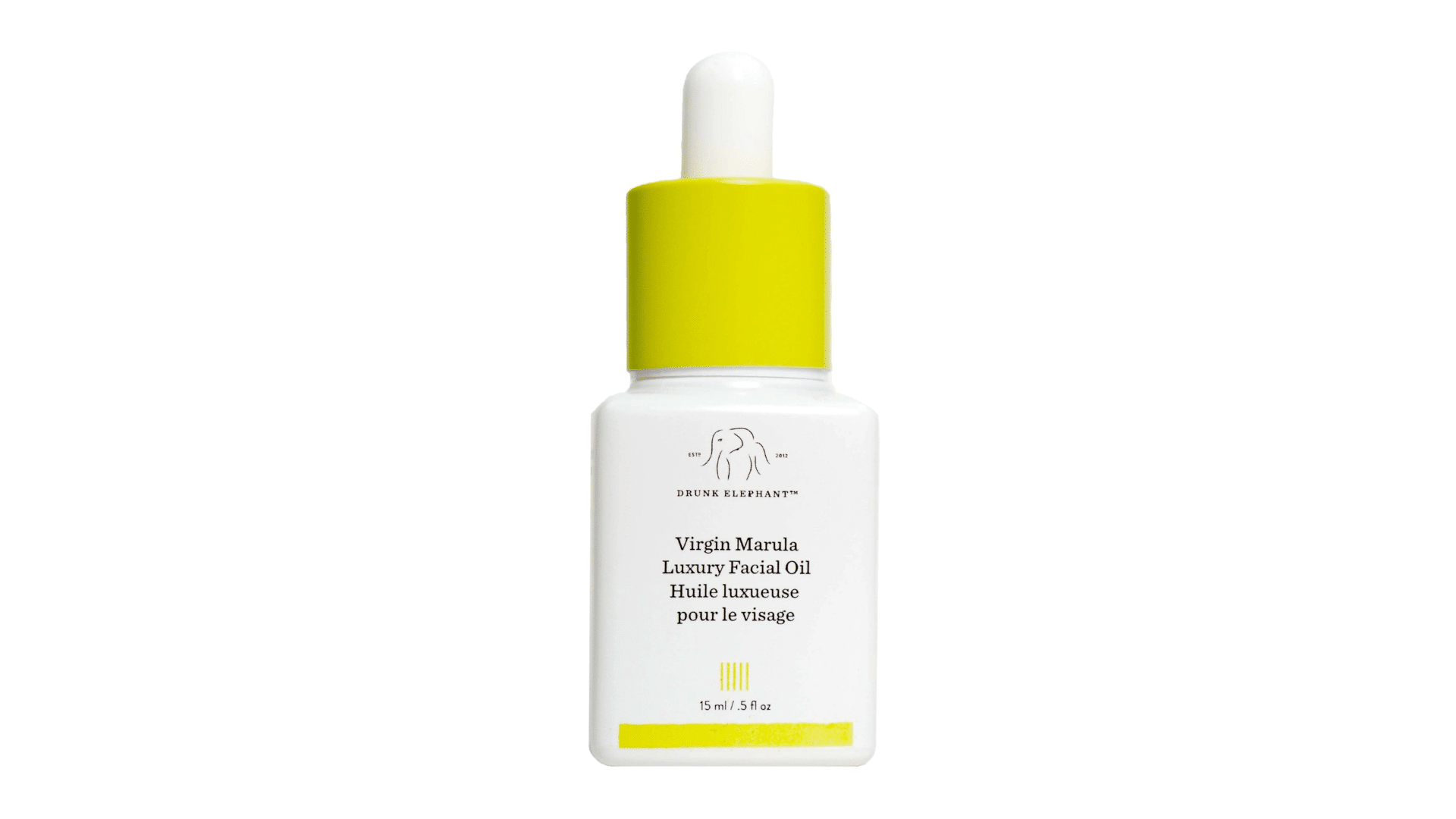
Drunk Elephant Virgin Marula Luxury Facial Oil focuses on a simple ingredient list with pure marula oil. Pure marula, nothing fussy about the ingredient list, and it leans rich.
If your skin is on the drier or more mature side, this is one of the better options in that price range.
- Best for: Dry and mature-looking skin
- Key benefits: Contains marula oil, supports hydration, simple ingredient profile
- Finish: Rich but smooth
- Pros: Minimal formula, nourishing feel, antioxidant content
- Cons: Expensive compared with basic facial oils
9. Indie Lee Squalane Facial Oil
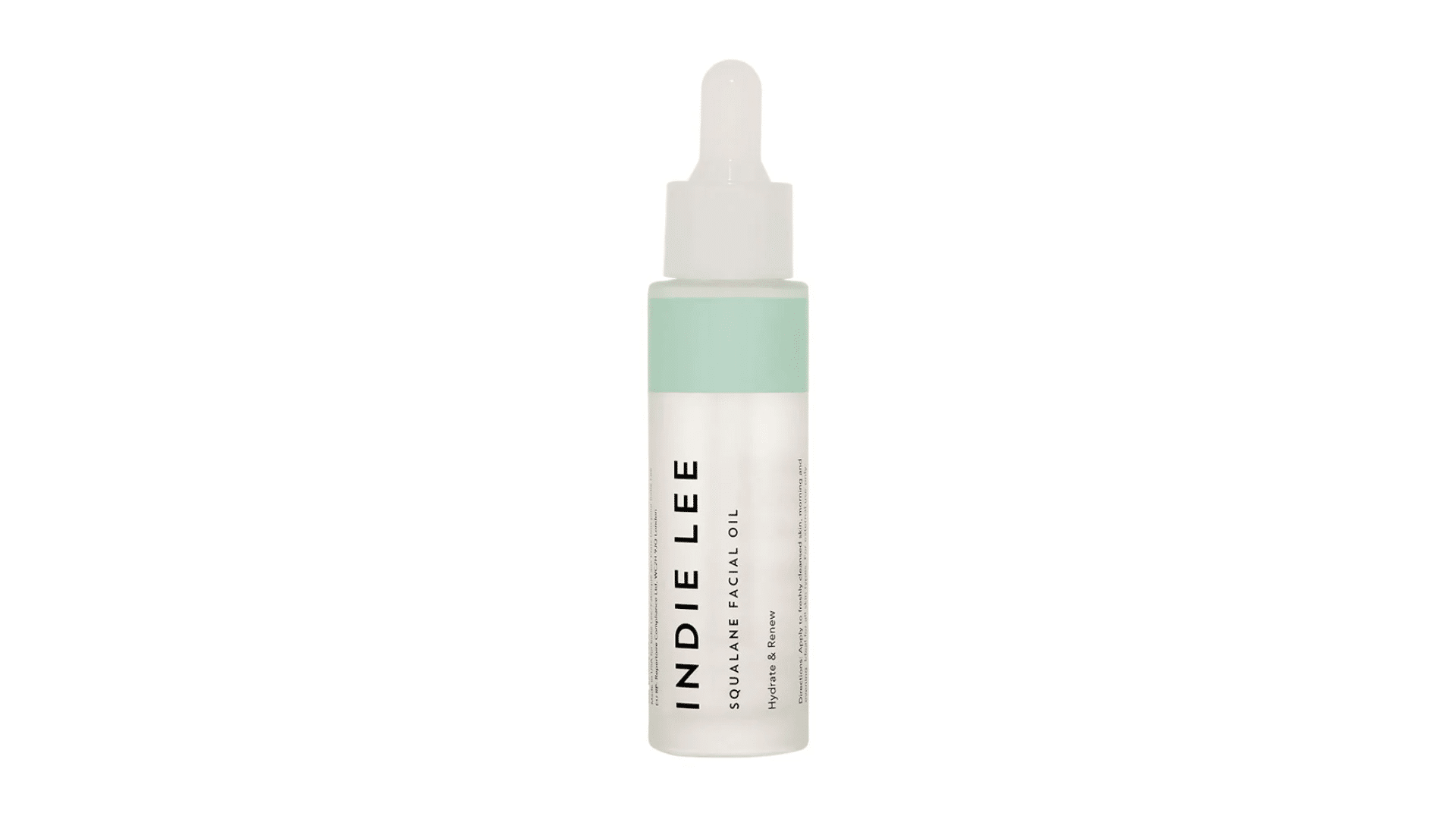
Lightweight, easy to layer, and doesn’t fight with anything else already in your routine. Indie Lee Squalane Facial Oil is a lightweight option for people who want an easy daily facial oil.
If you want something low-maintenance for daily use rather than a special-occasion product, this fits the bill.
- Best for: Combination and sensitive skin
- Key benefits: Lightweight hydration, easy layering, simple everyday option
- Finish: Light and silky
- Pros: Comfortable daily use, works well with other products, non-greasy feel
- Cons: May not provide enough richness for very dry skin
If you’re not sure where to start, rosehip and marula are the easiest to work into an existing routine without much trial and error. From there, you can adjust based on how your skin feels and looks over time.
10. Neutrogena Rapid Wrinkle Repair Retinol Oil
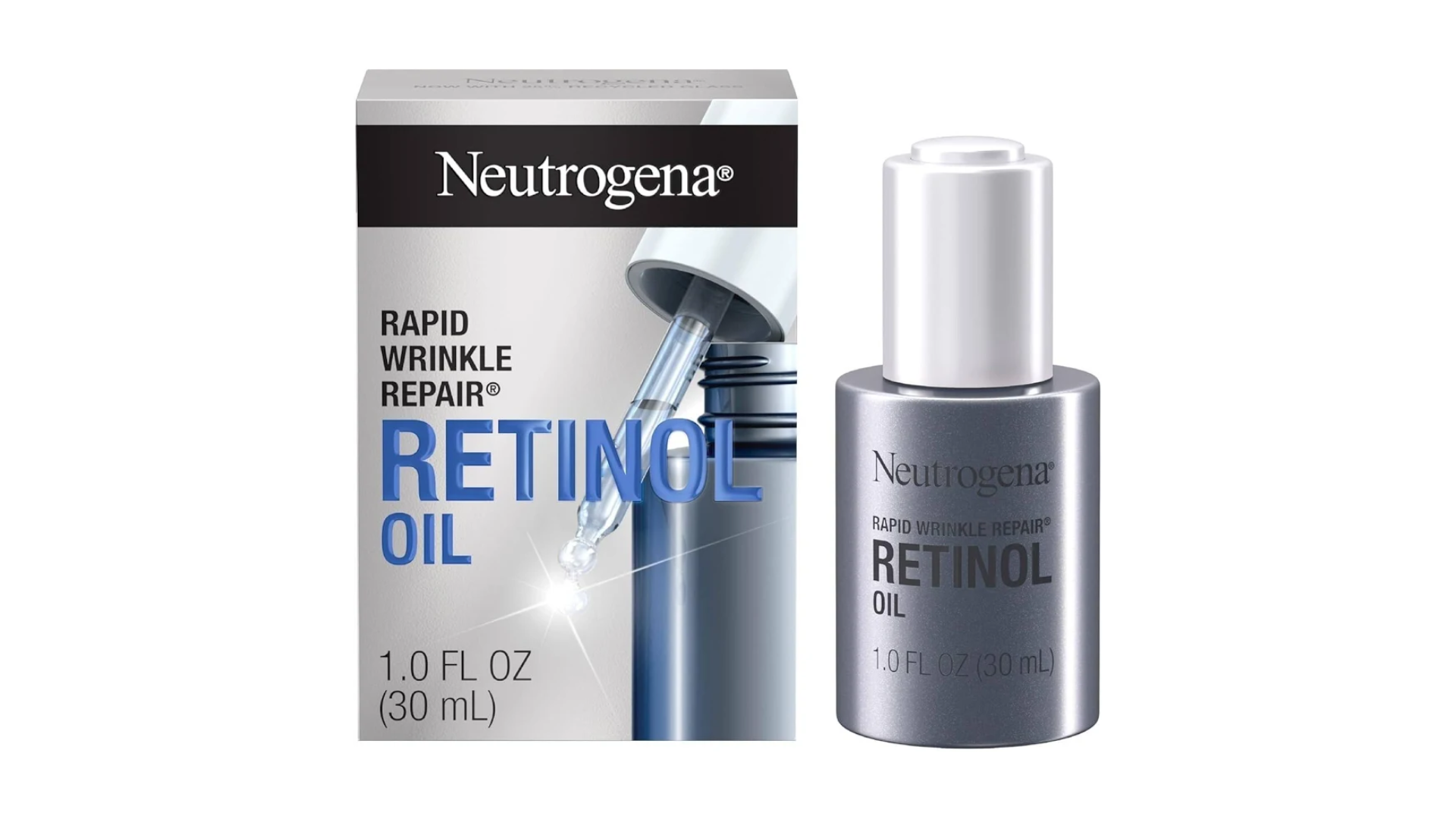
This one skips the “oil as support player” role and puts an active front and center. Neutrogena Rapid Wrinkle Repair Retinol Oil pairs 0.3% retinol with hyaluronic acid, so it works on texture directly instead of just sitting on top of the skin.
- Best for: People who want an oil that also functions as a wrinkle treatment
- Key benefits: Contains retinol, hyaluronic acid for hydration, drugstore price point
- Finish: Lightweight, fast-absorbing
- Pros: Affordable, backed by real research on retinol, easy to find
- Cons: Retinol can irritate sensitive skin at first, daytime sunscreen is non-negotiable
11. Palmer’s Cocoa Butter Formula Skin Therapy Face Oil
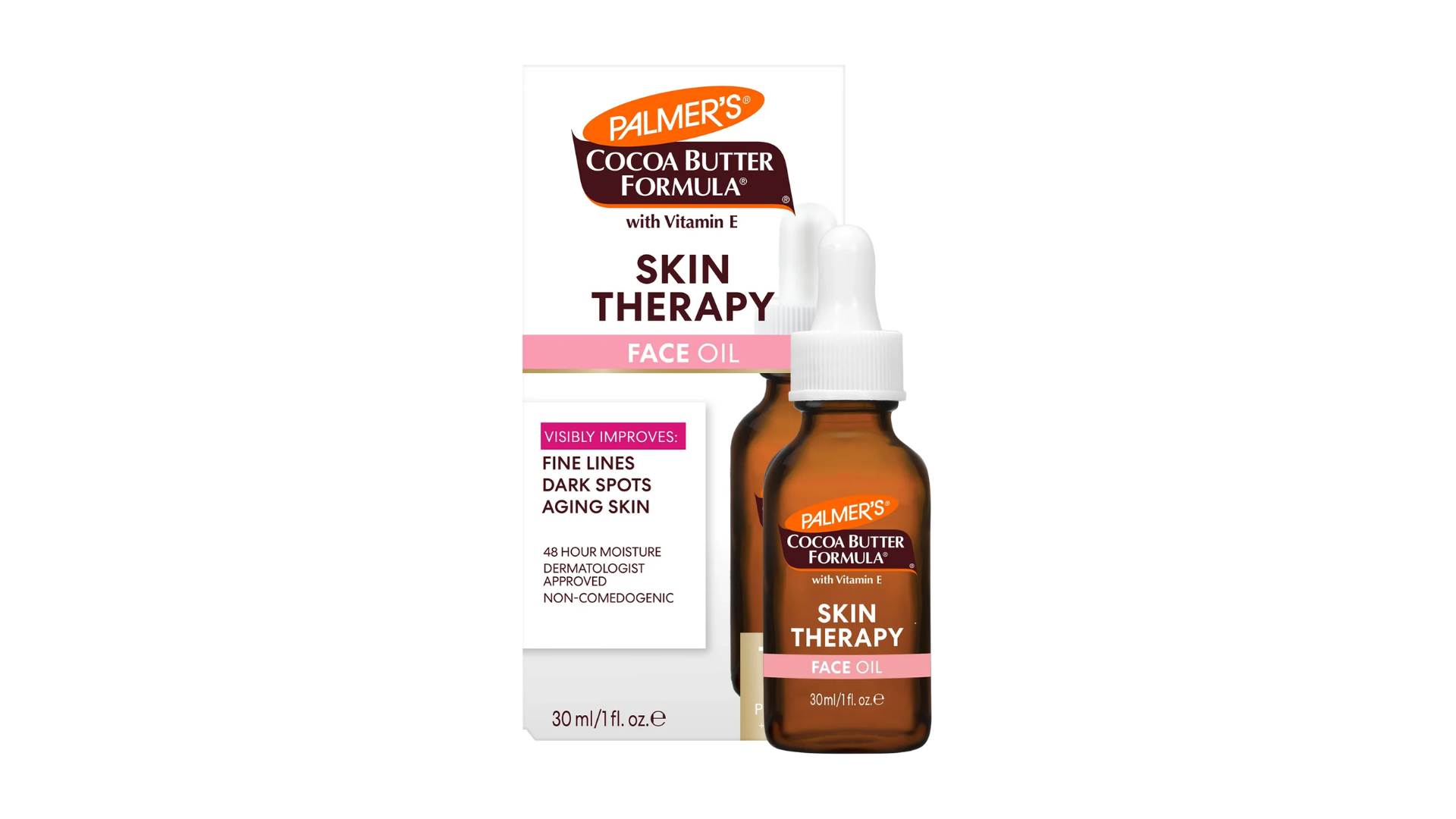
Ten oils in one bottle, plus vitamin C. I’ve gone back to this one more than once when my budget for skincare took a hit- Palmer’s Cocoa Butter Formula Skin Therapy Face Oil is built for people who want one product doing several jobs at once.
- Best for: Dry skin on a budget
- Key benefits: Ten-oil blend, added vitamin C, cocoa butter
- Finish: Richer, more cushiony
- Pros: Affordable, does a lot for the price
- Cons: Scent is noticeable, may not suit fragrance-sensitive skin
12. Caudalie Vinergetic C+ Overnight Detox Oil
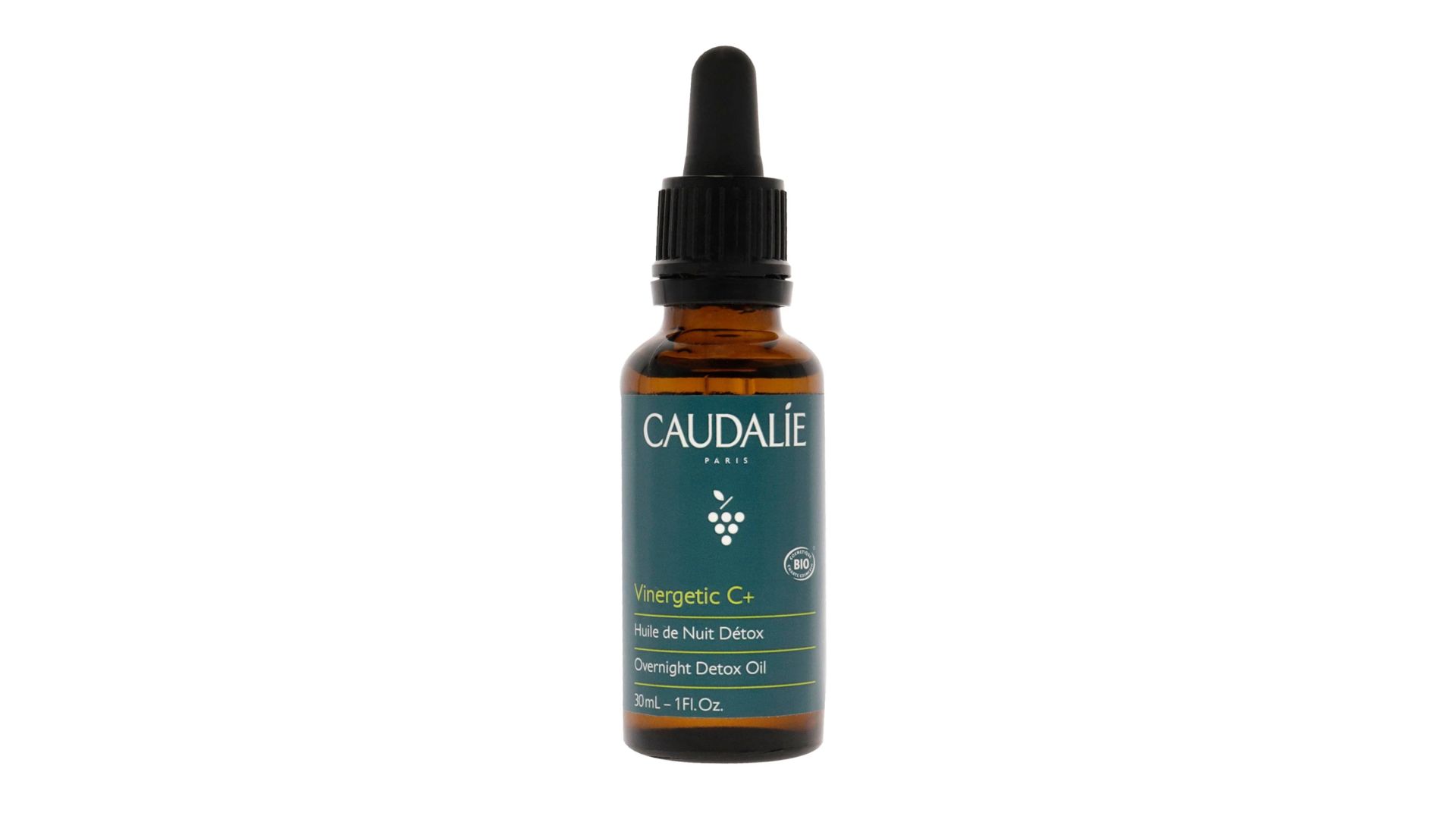
A nighttime ritual built around a blend of antioxidant-rich botanical oils. Caudalie Vinergetic C+ Overnight Detox Oil is meant to be massaged in before bed rather than layered under makeup.
- Best for: Normal to combination skin that wants a nighttime step
- Key benefits: Antioxidant blend, designed for overnight use
- Finish: Silky, absorbs by morning
- Pros: Pleasant to use, good for stressed or dull-looking skin
- Cons: Essential oil content may not suit sensitive skin
13. 111SKIN Black Diamond Retinol Oil
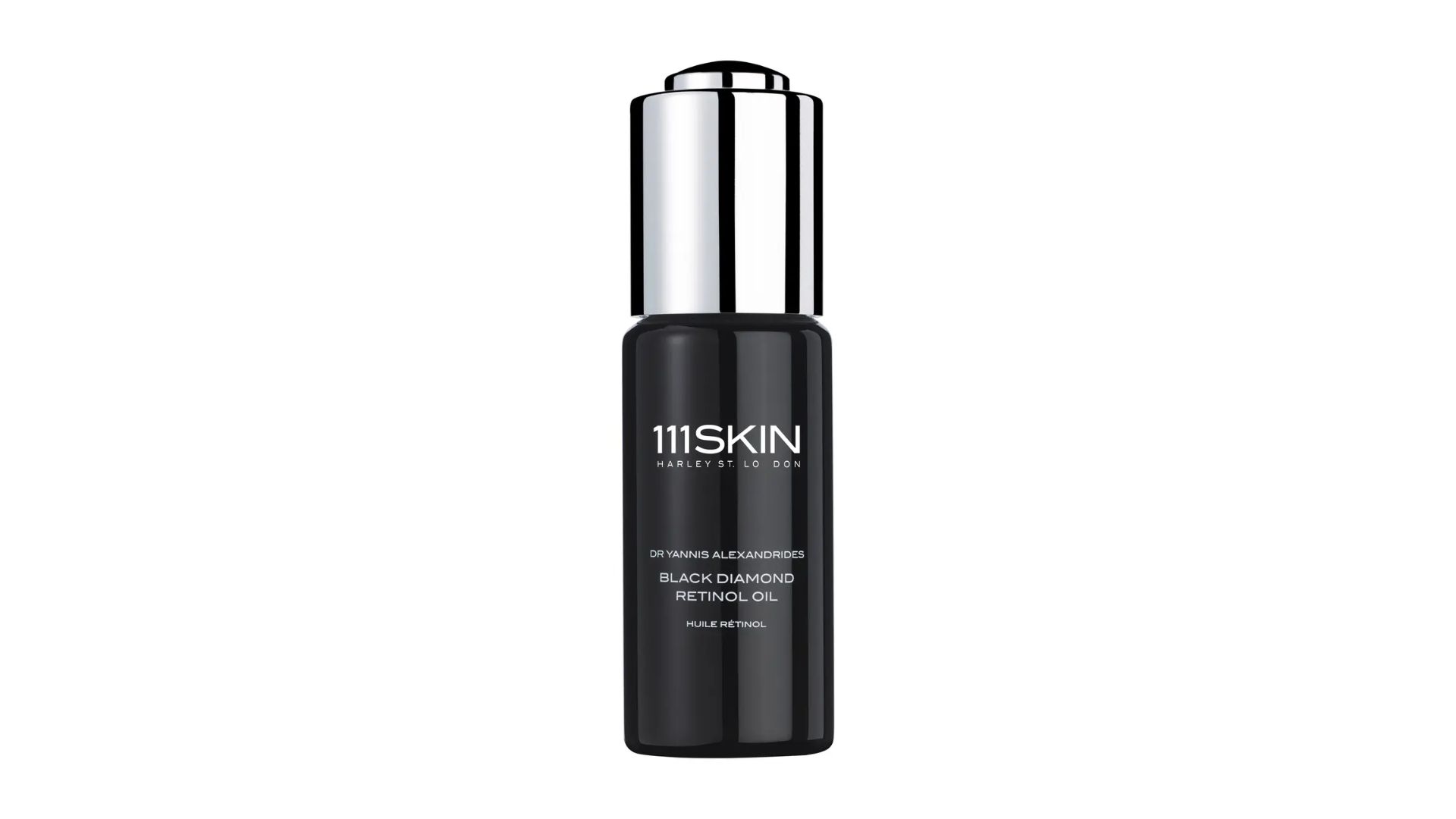
Black Diamond Retinol Oil pairs a 2.5% retinol and granactive retinoid blend with eight plant oils, so it reads more like a treatment than a plain hydrator. The diamond powder in the formula is mostly a delivery gimmick, but the retinol dose itself is real and worth taking seriously.
- Best for: Stronger retinol treatment without straight retinol’s usual sting
- Key benefits: Retinol and granactive retinoid blend, plant oil base for cushion, supports smoother texture over time
- Finish: Silky, slightly rich
- Pros: Noticeable results with regular use, plant oils soften the retinol experience
- Cons: Expensive, still needs a slow start for beginners
14. Good Molecules Pure Cold-Pressed Rosehip Seed Oil
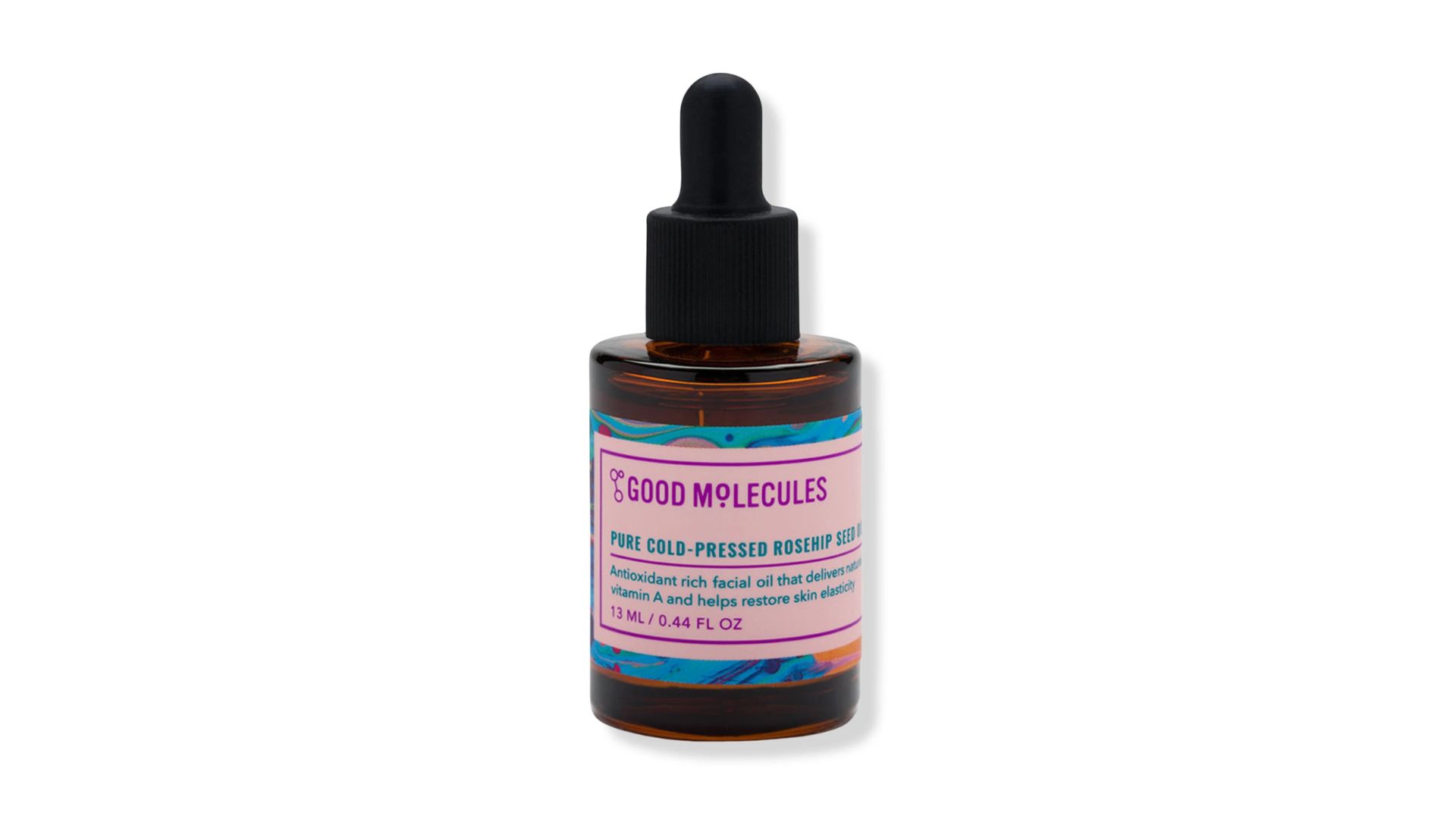
Good Molecules Pure Cold-Pressed Rosehip Seed Oil is a no-frills rosehip pick for anyone who wants the benefits without the price tag of fancier brands. Cold-pressed, single-ingredient, and easy to slot into a routine that’s already crowded with actives.
- Best for: Budget-focused dry or mature skin
- Key benefits: Single-ingredient formula, cold-pressed for freshness, fatty acid content
- Finish: Light, absorbs at a normal pace
- Pros: Very affordable, simple ingredient list, easy to layer under moisturizer
- Cons: Basic packaging, no added actives beyond the oil itself
15. Haruharu Wonder Black Rice Facial Oil
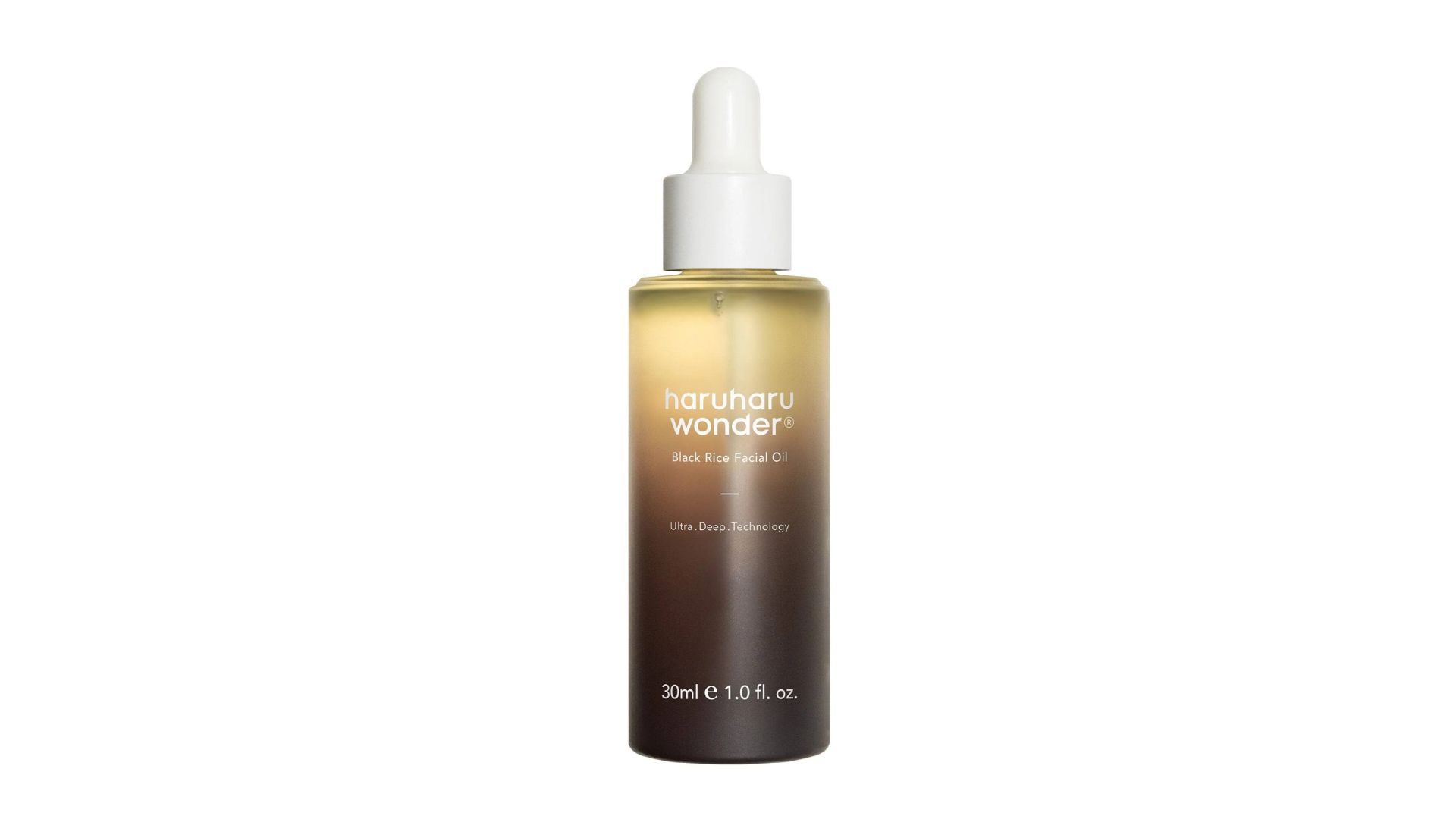
Haruharu Wonder Black Rice Facial Oil leans on black rice extract and ceramides for a formula built as much around comfort as hydration. It’s part of the brand’s broader black rice line, so it pairs naturally if you’re already using their moisturizer or essence.
- Best for: Dry or sensitive skin that also wants some barrier support
- Key benefits: Black rice extract, ceramide content, minimal fragrance
- Finish: Soft, slightly cushioned
- Pros: Gentle formula, works well layered with other black rice products, fragrance-light
- Cons: Less widely available in physical stores, may feel too soft for very oily skin
16. goop Beauty All-in-One Super Nutrient Face Oil
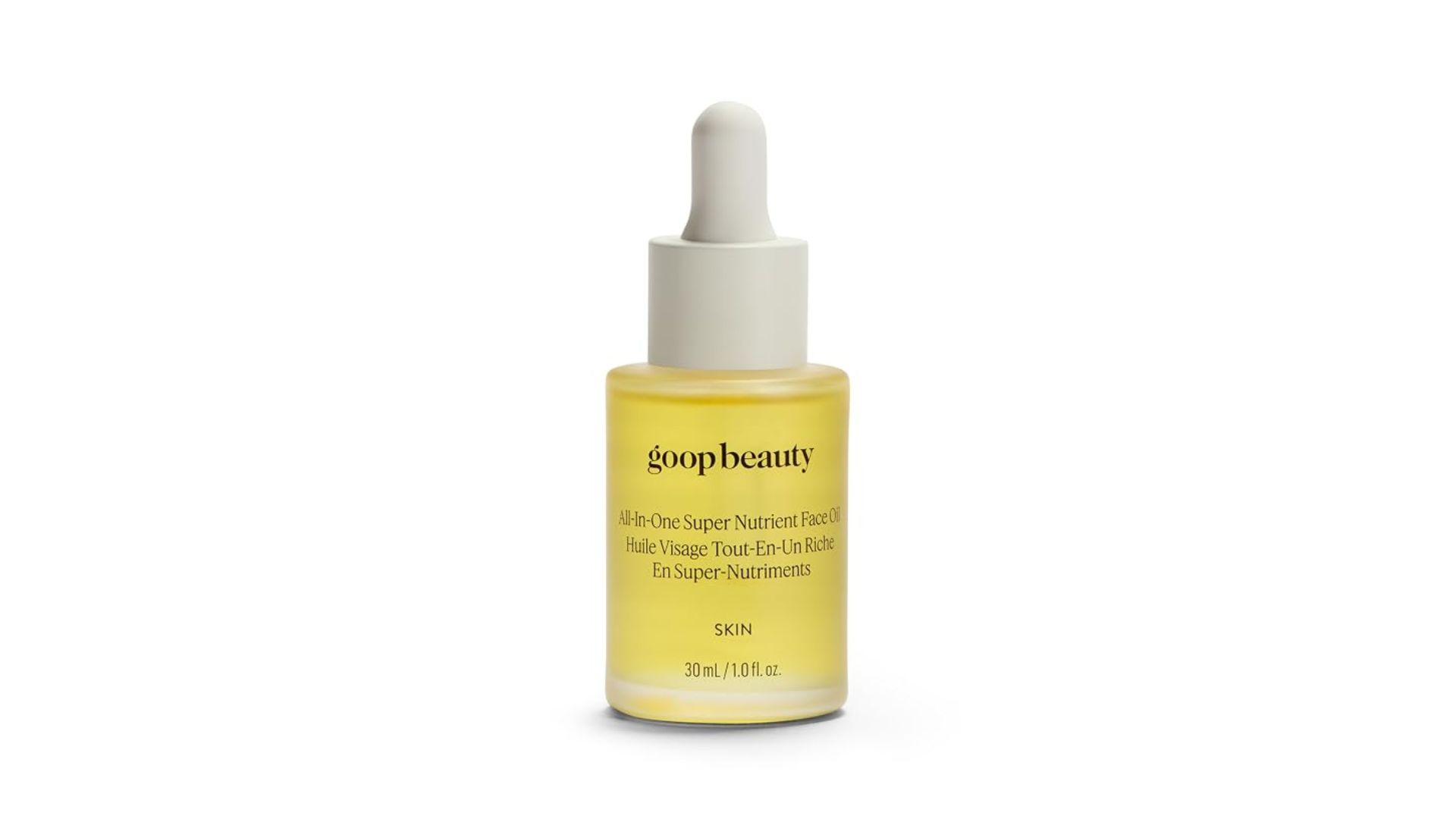
This one earns its name. goop Beauty All-in-One Super Nutrient Face Oil combines a wide mix of plant oils, peptides, and antioxidants into one bottle, with bakuchiol doing the work of a retinol alternative if you want cell turnover benefits without the irritation retinol sometimes brings. Good for people who want a single product covering hydration, firmness, and skin comfort at once.
- Best for: Dry or mature skin that wants one product doing several jobs
- Key benefits: Broad plant oil blend with bakuchiol as a retinol alternative, antioxidant-rich, supports overall skin comfort
- Finish: Rich, more of a nighttime feel
- Pros: Multi-purpose formula, good for layering under heavier creams, minimal need for extra products, strong customer ratings
- Cons: Higher price point, ingredient list can feel like a lot for minimalist routines
17. Sunday Riley C.E.O. Glow Vitamin C + Turmeric Face Oil
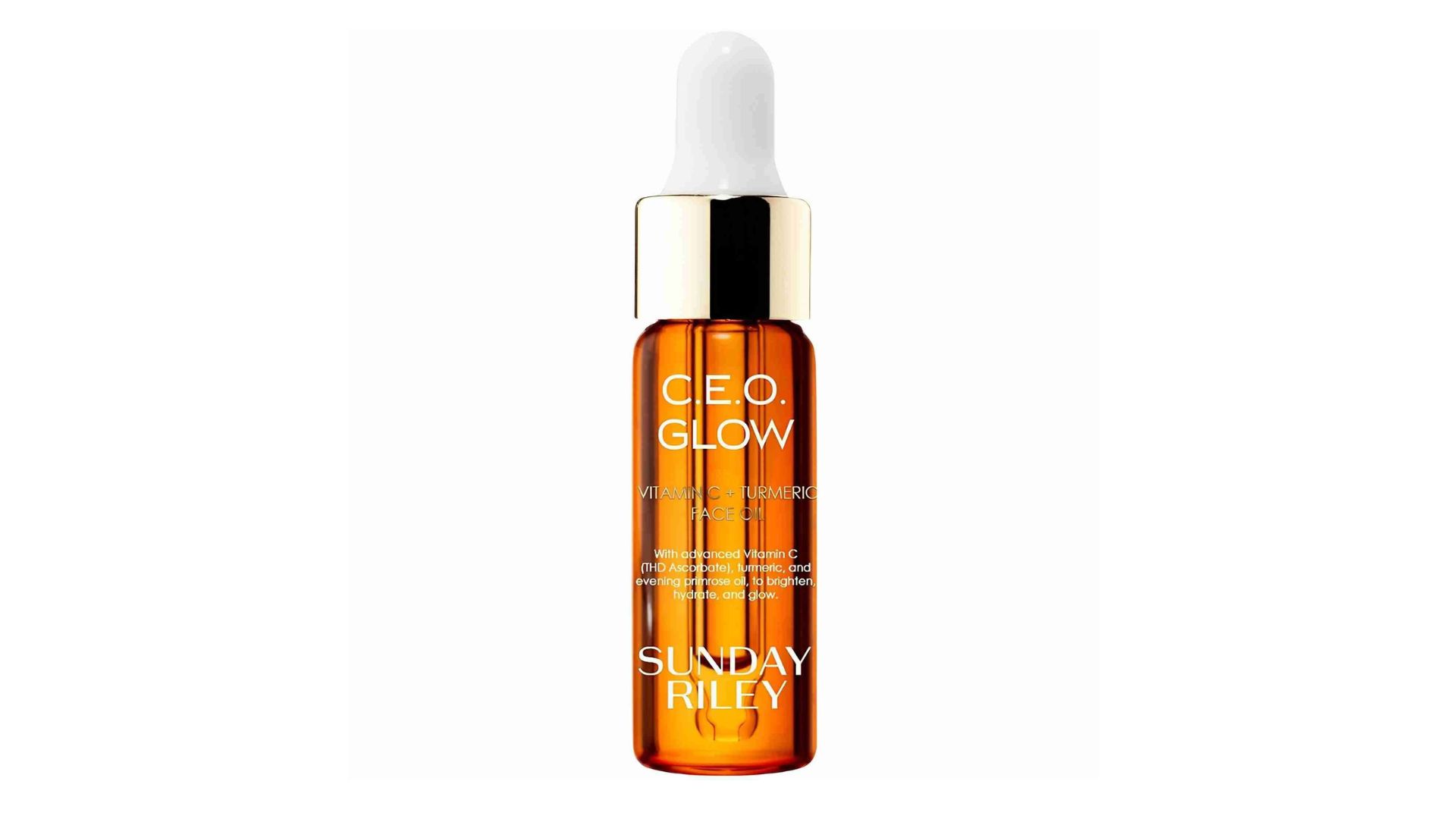
Sunday Riley C.E.O. Glow pairs THD ascorbate (a stable form of vitamin C) with turmeric and evening primrose oil, leaning more toward brightening than pure hydration. It’s a good pick if dullness bothers you as much as fine lines do.
- Best for: Dull, uneven skin tone alongside early fine lines
- Key benefits: Stable vitamin C (THD ascorbate), turmeric for brightening, evening primrose oil for hydration
- Finish: Lightweight, slight glow
- Pros: Brightening effect is noticeable, doubles as a hydrating oil, good layering under makeup
- Cons: Premium price point, vitamin C oils can be less stable over time than serums
Best Oils for Wrinkles Compared
Different oils support skin in different ways, so the best choice depends on your skin type, texture, and skincare needs.
| Oil | Main Benefits | Best For | Texture |
|---|---|---|---|
| Rosehip oil | Fatty acids and antioxidants | Mature and dry skin | Lightweight |
| Squalane oil | Supports moisture balance | Sensitive skin | Very light |
| Argan oil | Nourishing fatty acids | Dry skin | Medium |
| Jojoba oil | Similar to natural oils | Combination skin | Lightweight |
| Marula oil | Rich hydration support | Very dry skin | Medium |
| Pomegranate seed oil | Antioxidants, punicic acid | Mature skin, antioxidant protection | Medium |
| Sea buckthorn oil | Antioxidants, fatty acids | Mature skin, barrier support | Medium-rich |
Choosing an oil based on your skin’s needs can help support hydration, softness, and a smoother-looking appearance.
How Facial Oils Help With Wrinkles and Fine Lines
Facial oils help support skin hydration and softness, working alongside moisturizers to lock in moisture and improve the skin’s overall feel. The right oil can strengthen moisture balance and improve the overall look of mature skin.
It Backs Up Your Skin Barrier
Think of your skin barrier as a wall that keeps water in and irritants out. Once it’s compromised, dryness shows up fast, and dry skin makes fine lines look worse than they actually are. An oil helps that wall hold up so you’re not losing moisture you can’t afford to lose.
It Makes Skin Feel Softer
Simple mechanism here. Oil sits on top of skin and smooths it out. Hydrated skin looks healthier, full stop, and that’s basically why dermatologists tend to say to layer the oil over your moisturizer instead of picking one or the other.
It Adds a Few Nutrients Along the Way
Fatty acids, vitamin E, some antioxidants- that’s roughly what’s in most facial oils. A handful of newer formulas also work with ceramides or niacinamide, which do different jobs than the oil itself- ceramides help repair a compromised barrier, niacinamide calms inflammation and helps with uneven tone.
Good for skin condition generally? Sure. Going to undo years of sun damage or turn back the clock? No, and any brand promising that isn’t being straight with you.
Facial oils can be a simple addition to support smoother-looking skin and lasting hydration. Choose one based on your skin type and use it consistently for the best results.
How to Choose the Right Oil for Wrinkles Based on Your Skin Type
Rich feels better on dry skin. Light feels better on everything else. That’s most of the decision right there. It all depends on your skin type.
- Dry skin: Go richer with rosehip, argan, or marula. Any of those beats something thin once the heating kicks on and dries everything out.
- Sensitive skin: Keep it boring on purpose. Squalane or another fragrance-free option, and actually patch test it. I say that as someone who skips this step more than I should and pays for it a day later.
- Combination skin: Jojoba or squalane, both light enough that they won’t sit heavy where you’re already oily.
- Mature skin: Pair rosehip or argan with whatever actives you’re already using instead of expecting the oil to do it alone. Hydration helps. It’s not the whole job.
What Dermatologists Say About Facial Oils for Wrinkles
Board-certified dermatologists are consistent on this: facial oils support hydration and the skin barrier, but they don’t treat wrinkles.
Oils reduce water loss and make the skin barrier more resilient, which helps it tolerate weather, cleansers, and actives like retinol.
What they don’t do is rebuild collagen or reverse fine lines. That work belongs to retinoids, vitamin C, and consistent sunscreen use over years, not months.
The practical takeaway: pick an oil for your skin type, use it to support your routine, and don’t expect it to replace sunscreen or evidence-backed actives.
Past that, it’s mostly trial and error. Give something a few weeks before deciding it’s wrong for you.
How to Use Facial Oil in Your Skincare RoutineStart by cleansing your face, then apply serum if it is part of your routine, followed by moisturizer and a few drops of facial oil. Two or three drops are usually enough to cover the whole face. Using extra oil does not speed anything up and may leave your skin feeling greasy. During the daytime, finish with sunscreen. When trying a new oil, go slow for the first week or so and watch how your skin reacts before making it part of your regular routine. |
Common Mistakes When Using Facial Oils for Wrinkles
Facial oils can be a helpful part of a skincare routine, but using them the wrong way may leave skin feeling heavy or uncomfortable.
- Piling it on: More oil isn’t more effective; it’s just more oil. Past a couple of drops, you’re not getting extra benefit, just a shine you didn’t want.
- Skipping sunscreen because you added oil: Sunscreen and oil do different jobs. Sun protection is still the single biggest factor in how skin ages, and no facial oil replaces it.
- Buying whatever’s trending: Your friend’s favorite oil might be wrong for your skin entirely. Oily or acne-prone skin, in particular, can react badly to a rich oil that works great for someone with dry skin.
- Expecting a change by next week: Skin needs consistency over actual weeks, not days. If a product promises results overnight, be skeptical of it.
Using facial oil is about finding the right amount, the right product, and the right routine for your skin. Small changes can help your skin feel more balanced and supported over time.
Facial Oil vs Retinol: Which Is Better for Wrinkles?
Facial oils and retinol both have a place in an anti-aging routine, but they work differently.
| Facial Oil | Retinol |
|---|---|
| Supports hydration | Supports skin renewal |
| Helps improve softness | More researched for wrinkles |
| Usually gentler | May cause irritation |
These two serve different purposes rather than competing with each other. Facial oil supports moisture and comfort, while retinol has stronger research behind it specifically for fine lines and texture. If irritation is a concern, bakuchiol is worth a look too- it’s a plant-based retinol alternative that shows up in a few of the picks above.
How Long Does Facial Oil Take to Work?
Hydration and softness show up fast, usually within a few days of consistent use. That part isn’t subtle.
The barrier support and any improvement in how fine lines look take longer, closer to four to six weeks of daily use. Skin needs time to actually hold onto that moisture and show it.
If you’re expecting a visible difference in wrinkles specifically, be realistic: an oil isn’t going to get you there on its own, no matter how long you wait.
Pair it with sunscreen and, if wrinkles are the main goal, a retinoid, and give the combination a few months before judging results.
Final Thoughts
The right oil is whatever fits your actual skin, not whatever’s trending on social media that month.
I keep a bottle of squalane and one of rosehip on my shelf and switch between them depending on the season, which sounds fussy, but it’s really just paying attention to what my skin’s doing.
Moisturizer, sunscreen, and showing up for your routine most days still do the bulk of the work here. Pick one oil, give it a real few weeks, and let your skin decide if it stays.
Frequently Asked Questions
What Is The Best Oil For Wrinkles And Dry Skin?
Rosehip and argan, most of the time. They’re consistently good at hydration, and skin does end up feeling softer with regular use; nothing flashy about it.
Can Face Oil Reduce Wrinkles?
Not really, no. What it can do is make fine lines a bit less noticeable once your skin is properly hydrated. It improves texture, not removes wrinkles, and it’s worth being honest about that difference.
Should I Apply Facial Oil Before Or After Moisturizer?
After. Oil’s job is sealing moisture in, so it works better going on last rather than first.
Is Rosehip Oil Good For Mature Skin?
Yes. It’s one of the more recommended oils for that skin type, mostly thanks to its fatty acid content and what it does for hydration.