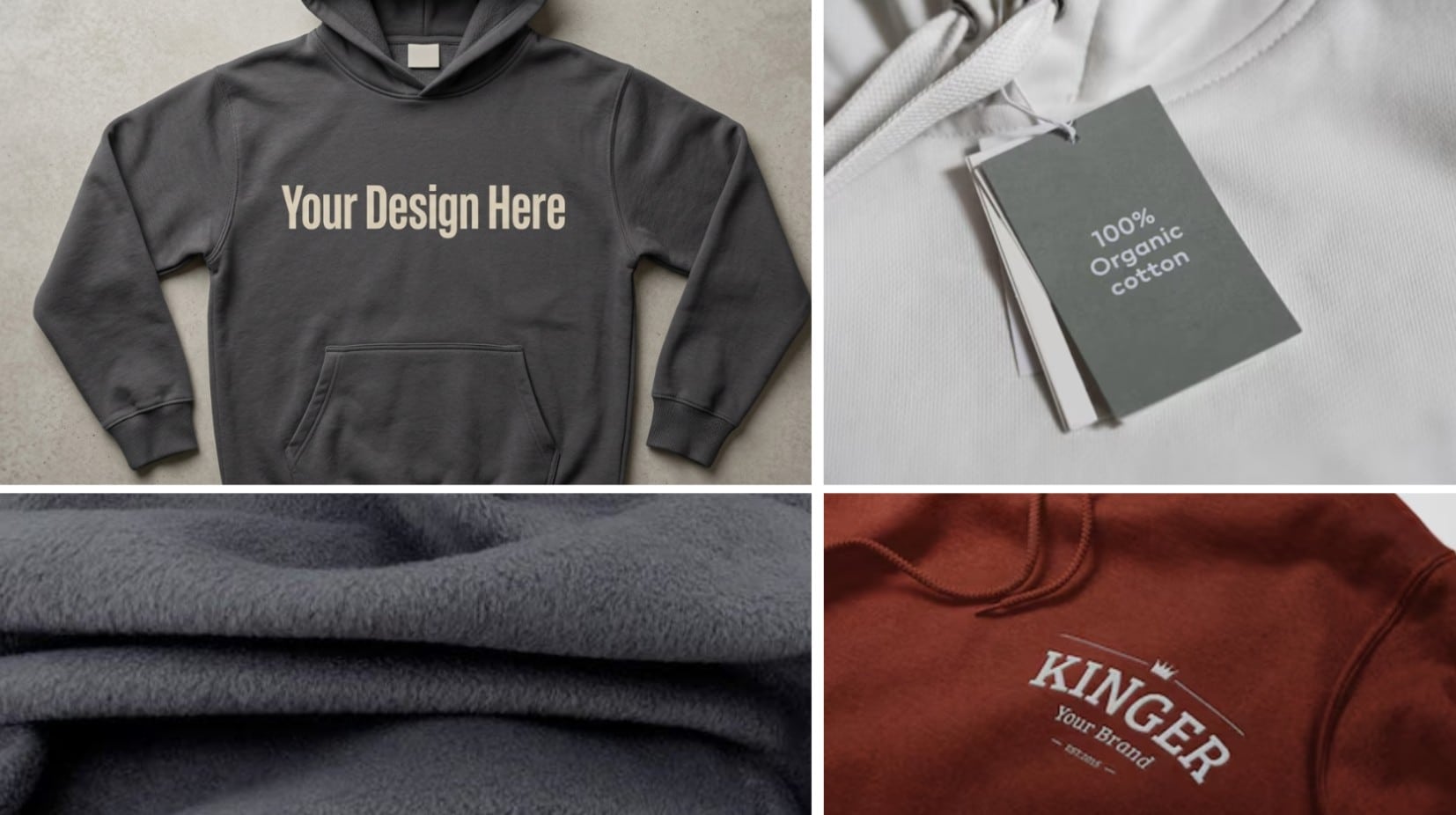
Every idea deserves to be customized with precision and care. From fabric selection and fit to construction details and finishing techniques, every element can shape how your brand is perceived. Understanding what can actually be customized is key to building hoodies that truly reflect your identity and stand out in a crowded market.
Custom Fabric and Trims
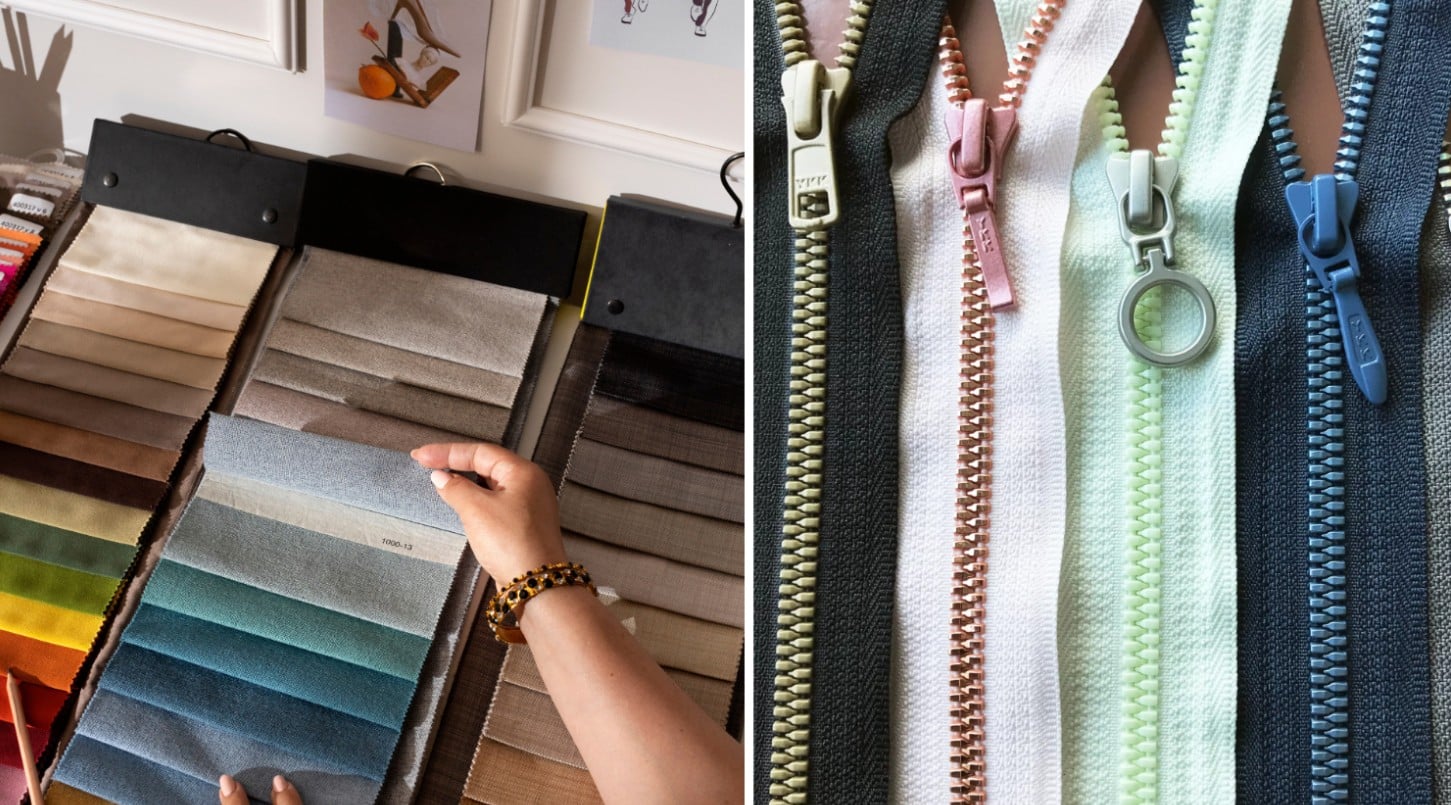
Fabric customization sits at the heart of hoodie development, as it defines not only the look and feel of the garment but also its performance across different use scenarios. For hoodies, the choice of material often starts with core structures such as fleece or French terry, but can be further refined through composition, from 100% cotton for softness and breathability to blends with polyester or elastane for improved durability, shape retention, and flexibility. Increasingly, brands are also exploring alternatives such as organic cotton, recycled polyester, or bamboo-based fabrics to align with sustainability goals. This level of material flexibility is a key advantage of cut and sew manufacturing, allowing brands to customize fabrics, trims, and garment specifications according to their target market and product positioning.
Beyond base materials, customization can extend into functional properties tailored to specific market needs. For example, hoodies designed for active or outdoor use may incorporate moisture-wicking, UV resistance, or odor control, while lifestyle and streetwear pieces may prioritize weight (GSM), drape, and surface finish to achieve a more premium hand feel. Fabric treatments such as brushing, enzyme washing, or silicon finishing further influence softness, color depth, and overall appearance.
Trims, often overlooked, play a critical role in both functionality and perceived quality. In hoodies, this includes elements such as drawcords, eyelets, zippers, rib cuffs, and linings. Each component can be customized in terms of material, color, and construction, for instance, switching from standard polyester drawstrings to cotton flat cords for a more elevated aesthetic, or using metal eyelets instead of plastic to reinforce durability and enhance visual appeal. These details, while small, contribute significantly to the overall product value.
Custom Prints and Embroidery
Surface design is one of the most visible ways to differentiate a hoodie, particularly in categories like streetwear and branded merchandise where graphics often carry the core identity. Customization in this area goes far beyond simply placing a logo; it involves selecting the right technique to match the design intent, fabric type, and desired longevity.
Screen printing remains a popular choice for bold, high-contrast graphics, especially on heavyweight hoodies, while heat transfer and sublimation are better suited for more complex or multi-color designs. For brands seeking a more tactile and premium finish, embroidery including 3D or raised embroidery – adds depth and texture, making logos or graphics stand out both visually and physically.
The placement and scale of these elements are equally important. A small chest logo creates a clean, minimal look, whereas oversized back prints or sleeve graphics can transform a hoodie into a statement piece. In many cases, combining techniques, such as embroidery with print overlays, allows brands to create more distinctive and layered designs. The key lies in aligning technique, placement, and material to ensure consistency between design vision and final execution.
Custom Label, Hang tag & Packaging
While often considered secondary, branding elements such as labels, hang tags, and packaging play a crucial role in shaping how a hoodie is perceived both at the point of sale and throughout the customer experience. These components are not only functional but also serve as touchpoints that communicate brand identity and attention to detail.
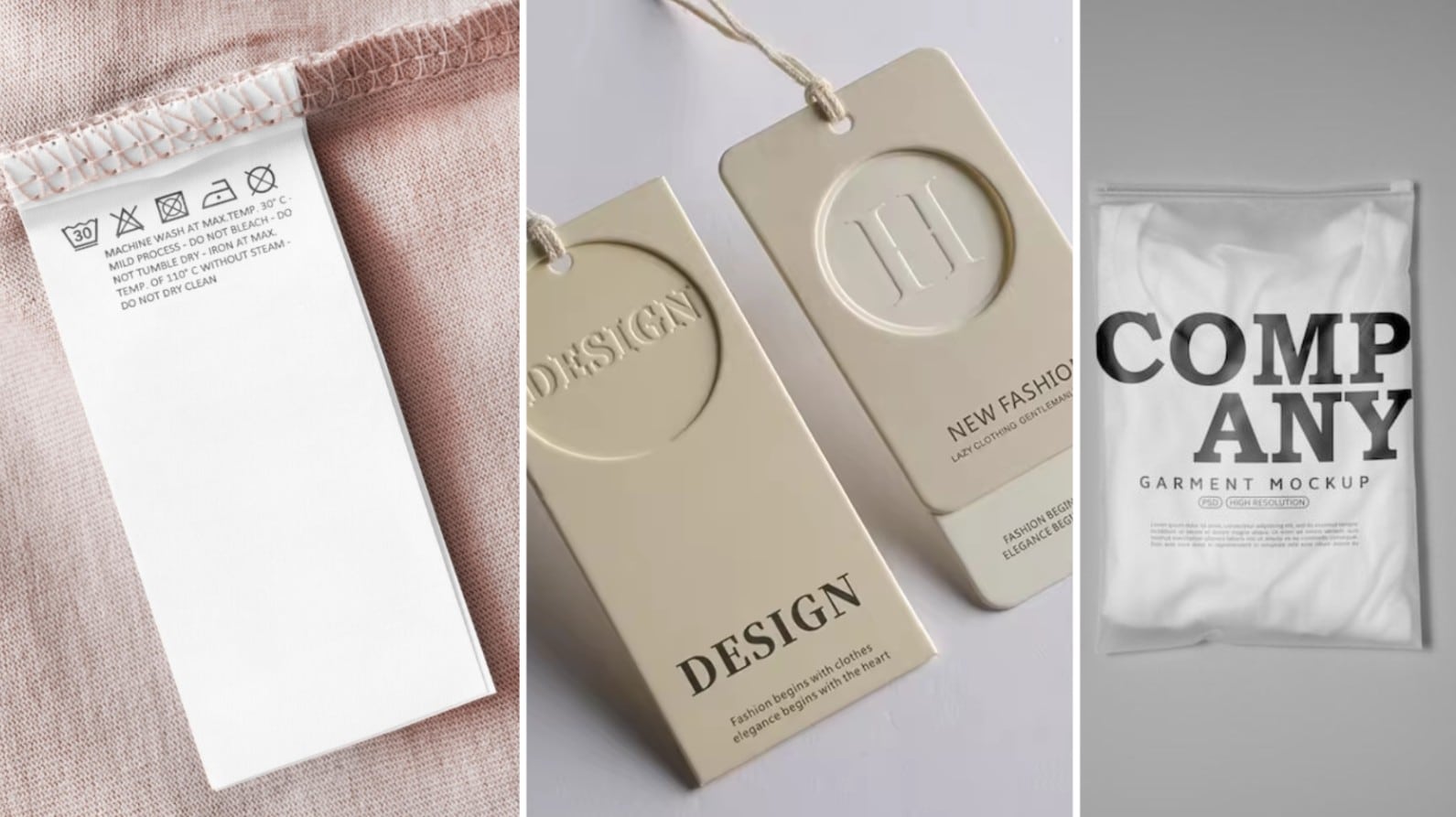
Inside the hoodie, labels can be customized in various forms, including woven labels, printed care labels, size tags, or flag labels placed at side seams. For hoodies in particular, neck labels are especially important, as they directly impact comfort and wearability; many brands now opt for heat-transferred labels to eliminate irritation while maintaining a clean look.
Hang tags provide an opportunity to communicate more than just product information. From material composition and care instructions to brand storytelling or QR codes linking to digital content, they act as an extension of the brand narrative. Their design, whether minimal, folded, or multi-layered, can also signal positioning, from entry-level to premium.
Packaging further reinforces this perception. Options range from standard poly bags to biodegradable alternatives or fully branded boxes, depending on distribution channels and sustainability commitments. For e-commerce-driven hoodie brands, packaging has become an integral part of the unboxing experience, influencing customer satisfaction and brand recall.
Custom Garment Construction and Fit
Beyond materials and surface design, the way a hoodie is constructed ultimately determines its fit, durability, and overall wear experience. Customization at this level involves translating a design concept into precise technical specifications that align with both aesthetic goals and functional requirements.
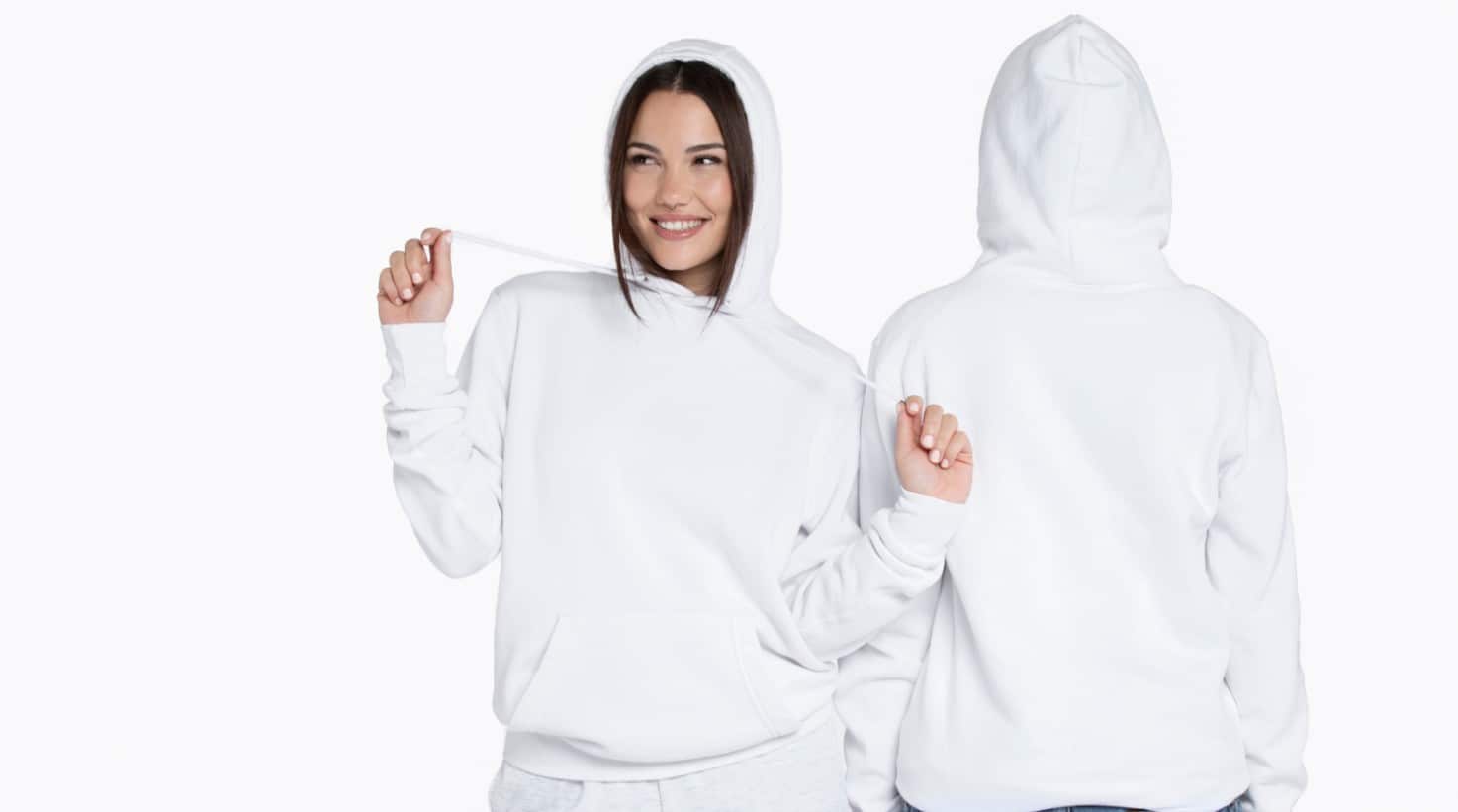
Fit development is particularly critical for hoodies, as silhouettes can vary significantly, from slim and tailored to relaxed or oversized. Achieving the desired look requires careful adjustments to measurements such as body length, shoulder drop, sleeve volume, and rib tension. For example, an oversized hoodie with poorly balanced proportions may appear shapeless, whereas a well-engineered version maintains structure while still delivering the intended relaxed feel.
Construction details further define product quality. Elements such as double-layered hoods, reinforced seams at stress points, and the choice of stitching techniques (e.g., overlock or coverstitch) all impact durability and shape retention over time. Additional features like side panels for improved mobility or structured hood designs that hold their shape can enhance both functionality and aesthetics.
Equally important is size grading, ensuring that the hoodie maintains consistent proportions across different sizes, which is essential for scaling production while preserving design integrity. This is where technical expertise and manufacturing experience become crucial, helping brands refine each detail and ensure that the final product meets both creative expectations and market standards.
Collaborating With a Full-Customized Hoodie Manufacturer
Working with a hoodie manufacturer, especially under an OEM model, means more than simply producing a design, it involves building a product from the ground up, based entirely on a brand’s vision, positioning, and target market. In this context, full customization is not just an added value; it is a fundamental requirement. Every element from fabric and trims to fit, construction, and branding details should be developed with intention, rather than adapted from pre-existing templates.
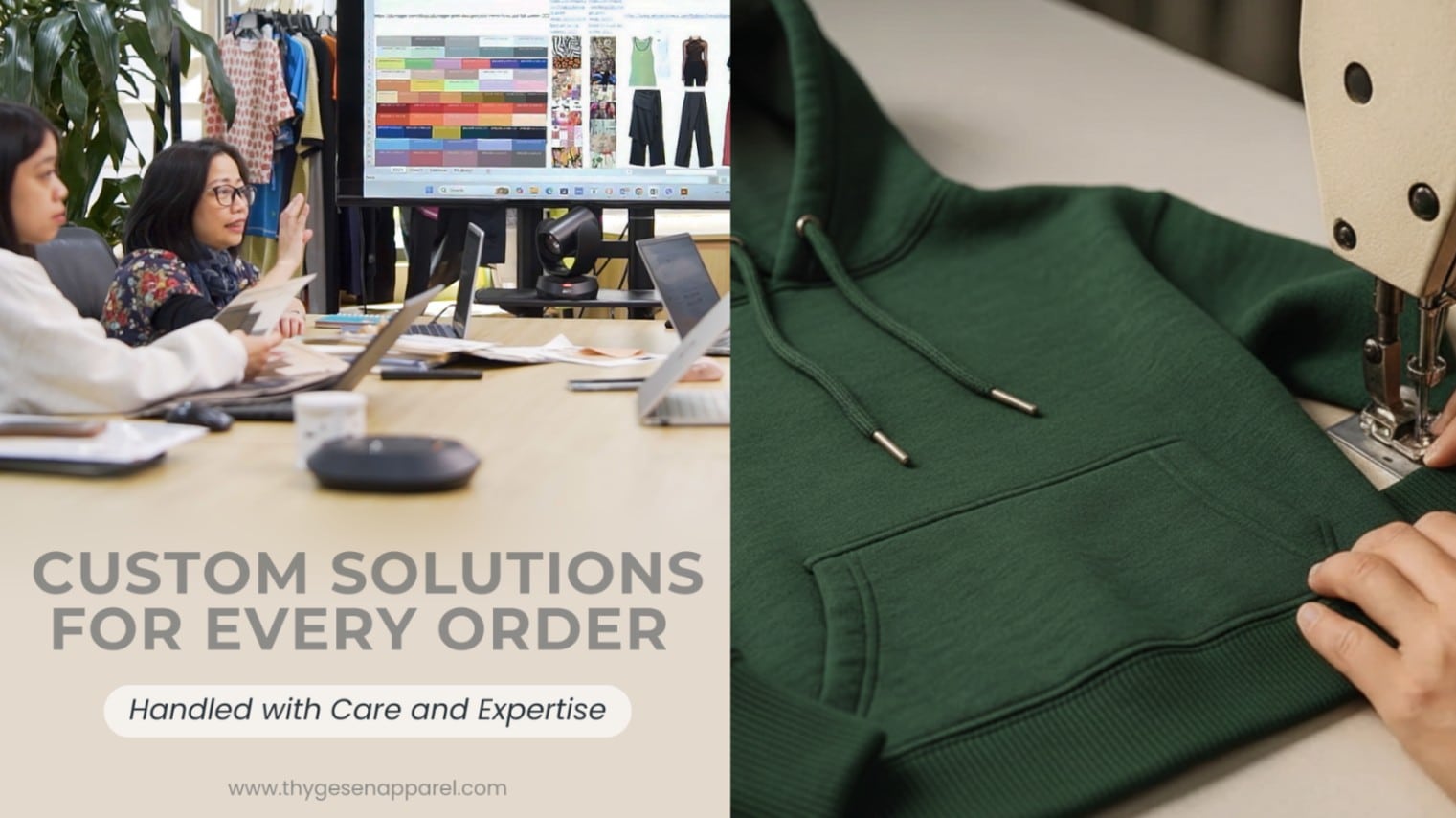
However, true customization does not mean offering endless options without direction. One of the most critical aspects of working with an experienced OEM manufacturer is the ability to tailor solutions to each individual brand, rather than applying a “one-size-fits-all” approach.
This is where a consultative approach becomes essential. Instead of passively executing specifications, a capable manufacturer actively evaluates the feasibility of each request, advising on material selection, suggesting adjustments to fit or construction, and identifying potential risks in production or long-term wear. These recommendations are not about limiting creativity, but about refining it, ensuring that the final product is not only aligned with the original concept but also practical, consistent, and scalable.
If you’re looking for a manufacturing partner who can bring your hoodie vision to life, Thygesen Textile Vietnam offers end-to-end customization from fabric selection to finished product. Get in touch to discuss your next collection.