Fashion has always changed with culture, lifestyle, and consumer behavior. Now, technology is becoming one of the biggest forces shaping what people wear, how they shop, and how they express personal style.
AI, virtual try-ons, connected accessories, and smart eyewear are making fashion more personalized, interactive, and practical. The result is a modern fashion landscape where style and technology are no longer separate ideas.
How Is AI Personalizing Fashion?
AI is changing fashion by making style recommendations more personal. Instead of showing every shopper the same products, brands can now use data, preferences, browsing behavior, sizes, colors, and past purchases to suggest items that feel more relevant.
This makes shopping easier because people do not always want to scroll through hundreds of options. A shopper may want outfit ideas for work, travel, summer events, or everyday casual wear. AI can help narrow those choices and show products that better match the person’s style.
AI can support fashion personalization through:
- Outfit recommendations
- Size suggestions
- Color matching
- Product discovery
- Style quizzes
- Personalized shopping feeds
- Wardrobe planning
- Occasion-based suggestions
This does not mean AI replaces personal taste. It simply helps shoppers find better starting points. The final decision still depends on comfort, confidence, budget, and individual style.
The growth of AI in fashion retail shows how brands are using technology to improve design, marketing, shopping, and customer experience. For shoppers, the most useful result is a smoother path to finding items that actually feel wearable.
How Is Virtual Shopping Changing the Customer Experience?
Virtual shopping is making online fashion more interactive. In the past, buying fashion online often meant guessing. Shoppers had to imagine how a pair of glasses, shoes, jacket, or accessory would look in real life. Product photos helped, but they did not always answer the most important question: will this suit me?
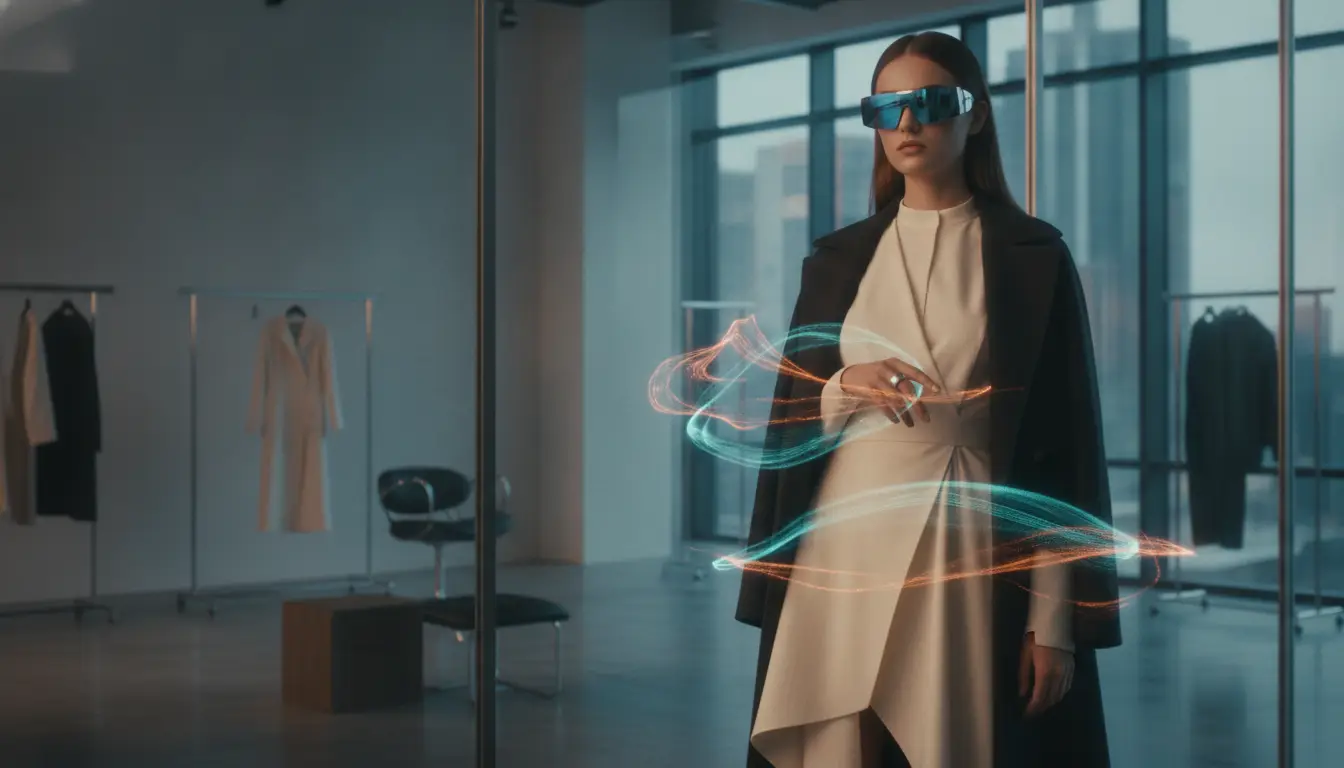
Virtual try-on tools and augmented reality are helping solve that problem. They allow shoppers to preview fashion items digitally before buying. This is especially useful for eyewear, makeup, jewelry, clothing, and accessories where color, size, and proportion matter.
Virtual shopping can help customers:
- Compare styles faster
- Preview colors
- Try more options from home
- Feel more confident before buying
- Reduce avoidable returns
- Make online shopping feel closer to in-store browsing
A shopper choosing sunglasses, for example, can use a digital try-on experience to see how different frame shapes look on their face. Someone shopping for clothes may use virtual tools to understand how an item could fit or style with other pieces.
The rise of virtual try-on technology in retail shows how online shopping is becoming more visual, personal, and interactive.
Virtual shopping is not perfect. It may not show fabric texture, exact fit, or how a product feels in real life. But it gives shoppers more confidence than static images alone.
Why Are Smart Accessories Becoming Everyday Essentials?
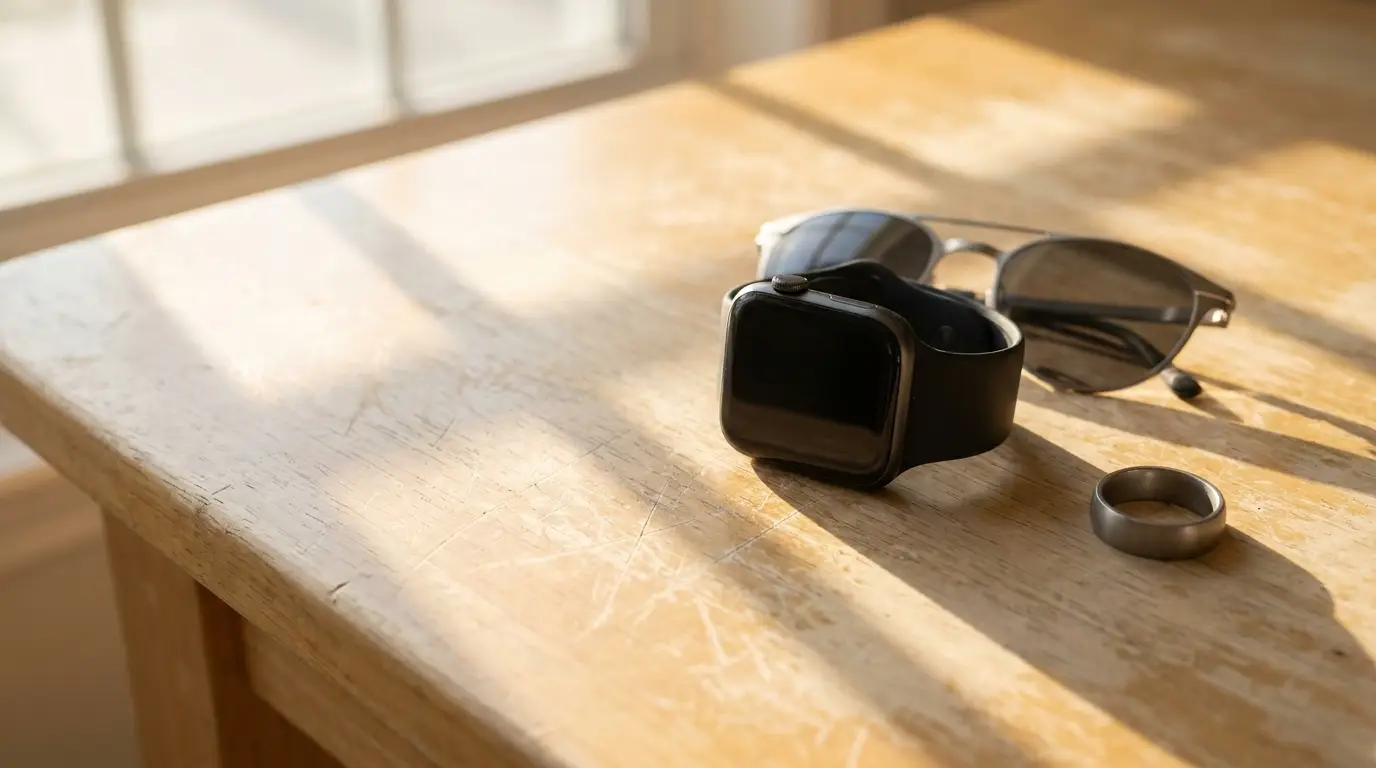
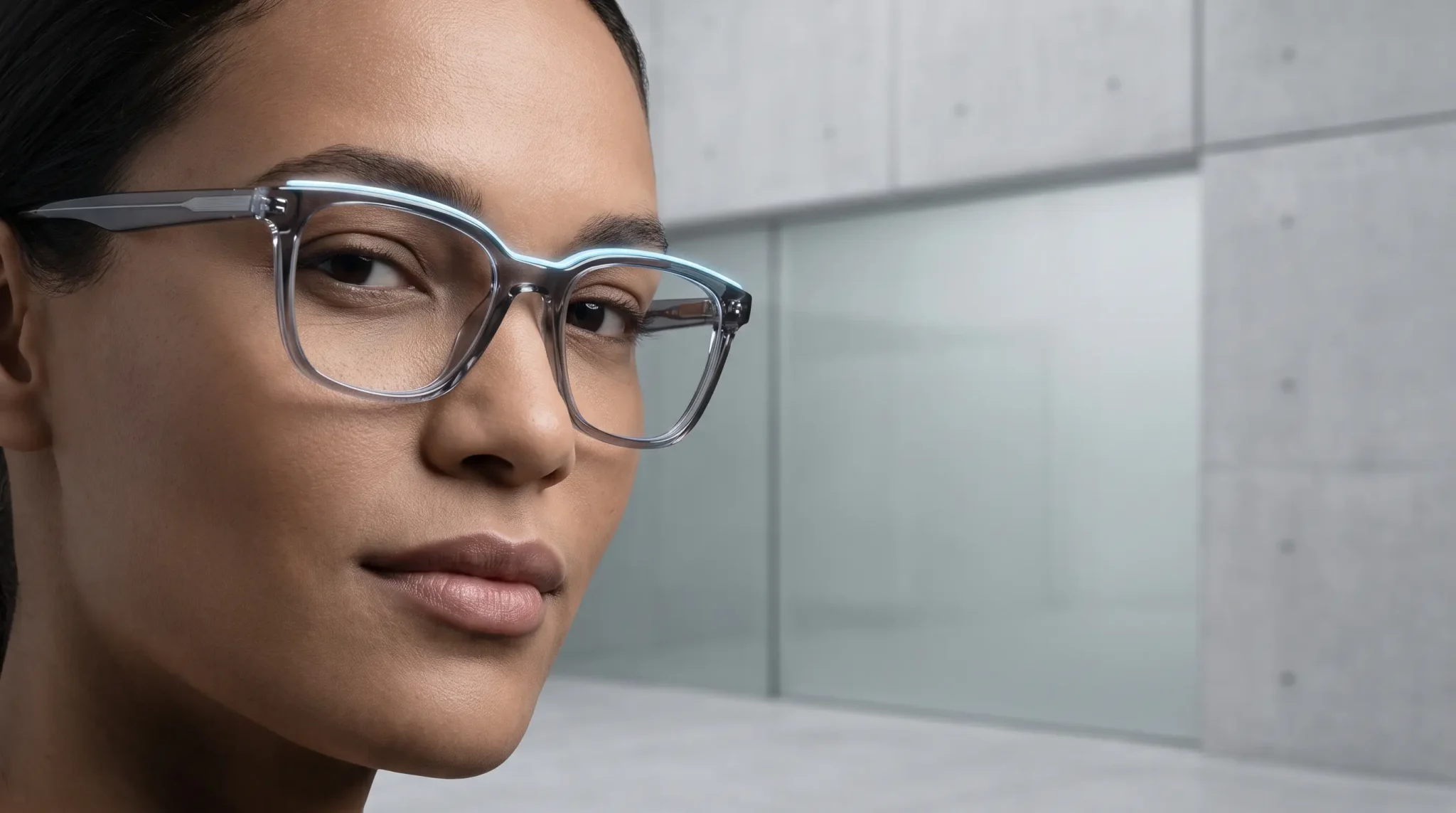
Smart accessories are becoming more popular because they combine style with practical everyday features. People want products that look good, but they also want convenience. This is why wearables such as smartwatches glasses with camera, fitness rings, connected earbuds, and smart eyewear are becoming part of modern fashion.
Accessories are a natural home for technology because people already wear them daily. A watch, ring, bracelet, or pair of sunglasses can become smarter without feeling like a completely new category.
Smart accessories may offer:
- Activity tracking
- Sleep insights
- Contactless payments
- Notifications
- Audio
- Hands-free calls
- Photo and video capture
- AI assistance
- Connected app features
The key is design. A smart accessory has to look and feel wearable. If it is too bulky, uncomfortable, or awkward, people may stop using it no matter how advanced the technology is.
How Are Fashion and Technology Growing Together?
Fashion and technology are growing together because consumers want products that fit modern life. People move between work, travel, fitness, social events, digital communication, and content creation. Fashion has to support that lifestyle.
Technology helps fashion become:
- More personalized
- More practical
- More interactive
- More connected
- More convenient
- More responsive to individual needs
At the same time, fashion helps technology become easier to adopt. A wearable device is more likely to succeed if it feels stylish, comfortable, and natural to wear. This is why design matters as much as features.
The future of fashion will not be about replacing style with technology. It will be about making technology feel like a natural part of style.
What Should Shoppers Consider Before Choosing Tech-Enabled Fashion?
Smart fashion can be exciting, but shoppers should still choose carefully. A product should not only look impressive online. It should make sense for real life.
Before buying, consider:
- Does it match your personal style?
- Is it comfortable enough for regular use?
- Does it solve a real problem?
- Will you use the smart features often?
- Is the app or connected feature easy to manage?
- Does the product fit your wardrobe?
- Is the battery life practical?
- Are privacy settings clear?
- Does the price match the value?
A fashion item should still feel good to wear. Technology is a bonus only when it supports the way the person actually lives.
Why Does This Matter for Modern Fashion Trends?
Technology is influencing fashion trends because it changes what consumers expect. People no longer look only for beautiful products. They also look for convenience, personalization, flexibility, and usefulness.
A modern accessory may need to look stylish, work with multiple outfits, support an active lifestyle, and connect with digital routines. A shopping experience may need to feel personal, fast, and interactive. A brand may need to think about both visual identity and digital functionality.
This is the new direction of fashion. Style still matters deeply, but function is becoming part of the style conversation.
Final Thoughts
Technology is reshaping modern fashion by making it more personal, interactive, and functional. AI helps shoppers find better recommendations. Virtual try-ons make online shopping easier and more visual. Smart accessories bring digital features into products people already wear every day.
The strongest fashion trends will not be the ones that feel purely futuristic. They will be the ones that fit naturally into daily life.
As fashion and technology continue to grow together, the best products will combine comfort, style, convenience, and personal expression in a way that feels effortless.