When you own a salon, you have something that most product entrepreneurs want to have. It covers a direct connection to your customer, access to daily insights into their hair problems, and the trust of a customer before they even make their first purchase. But most salons and barbershops are still missing out on a significant amount of income by simply selling “other” brands, rather than developing their own.
Starting a private label hair product line from your salon is one of the most natural extensions of your business. Your clients become your customers. Your job becomes your research and your name becomes your brand.
But there’s more to it than passion. Formulation, regulatory compliance, packaging, pricing, finding a manufacturer, there are decisions to be made and dollars to be spent. This guide will take you through the entire process, including what most articles about launching brands don’t discuss.
Why Salon Owners Are Best to Launch Hair Products
You Already Have Experience
At salons, you see hair behavior (humidity, heat, chemical, porosity) up close and personal every day. You know what products don’t live up to expectations and what ingredients work for your clients.
The big consumer brands spend millions to gain the trust that salon professionals enjoy. That’s your competitive advantage before you even labeling your first bottle. Customers will try your product before they try a new off-the-shelf brand because they trust your hands, your eyes and your opinion.
The Economics Are Hard to Ignore
Selling a product off the shelf is profitable regardless of whether you are booked or closed. Salon owners who start with a small line of products report sales revenue representing 20-35% of their monthly income in the first year and with much better margins than carrying other brands. You no longer represent the retailer for someone else’s brand, you start to build your own brand.
Key Product Development Decisions That Shape Your Brand

Launch With One Product
Focus on one or two products that address a problem you are hearing about from clients. Strong starting points:
- Cream for wind or moisture control
- Scalp treatment oil
- Hydrating mask for damaged hair
- Defining gel for curl patterns
That common customer frustration is your positioning, work from there. A brand that clearly nails one problem will always trump a brand that says it will do everything.
Private-Label vs. Custom Formulation
Private-label means taking an off-the-shelf formula from a manufacturer and putting your label on it. Smaller minimums, quicker turnaround, lower risk.
Custom formulation is creating a recipe in a lab. This provides unique differentiation but requires more capital, several rounds of revision and takes longer, usually three to six months longer to launch.
Private-label is the sensible choice for initial launch. It allows you to test the market before investing in a custom formula. Once you’ve established sales and a repeat customer base, your formula is then an investment.
Where & How to Find a Manufacturer?
This is where most guides leave you without direction. Here are the actual sourcing channels:
US manufacturer directories
Searchable listings of US cosmetic labs, helpful to identify GMP-compliant labs in the US without overseas complications
Overseas manufacturer platforms
Lower cost per unit but greater quality assurance burden; be sure to ask for samples before committing to any orders.
Established private-label cosmetic labs
Companies that work with small, independent brands, often with lower MOQs and quicker turnarounds.
Beauty industry trade shows
A great place to meet established labs and packaging providers, sample and negotiate in person.
What to ask every manufacturer before committing:
Do you have a Certificate of Analysis (CoA) for the formula?
- Do you have GMP certification (Good Manufacturing Practice)?
- What is your turnaround time for orders?
- What’s the minimum order quantity per SKU?
- Do you have product liability insurance and will you indemnify us for formulation issues?
The last question is risky. Any lab that can’t give a clear answer is one to avoid.
Local manufacturers are more expensive per unit but provide quicker production, better communication, and lower risk of quality-control problems. International suppliers are 40-60% cheaper per unit but need more management and longer lead times. When sourcing overseas, request samples before placing a production order – never go without, no matter how impressive a supplier’s portfolio may appear.
Importance of Ingredient Transparency in Hair Care Products
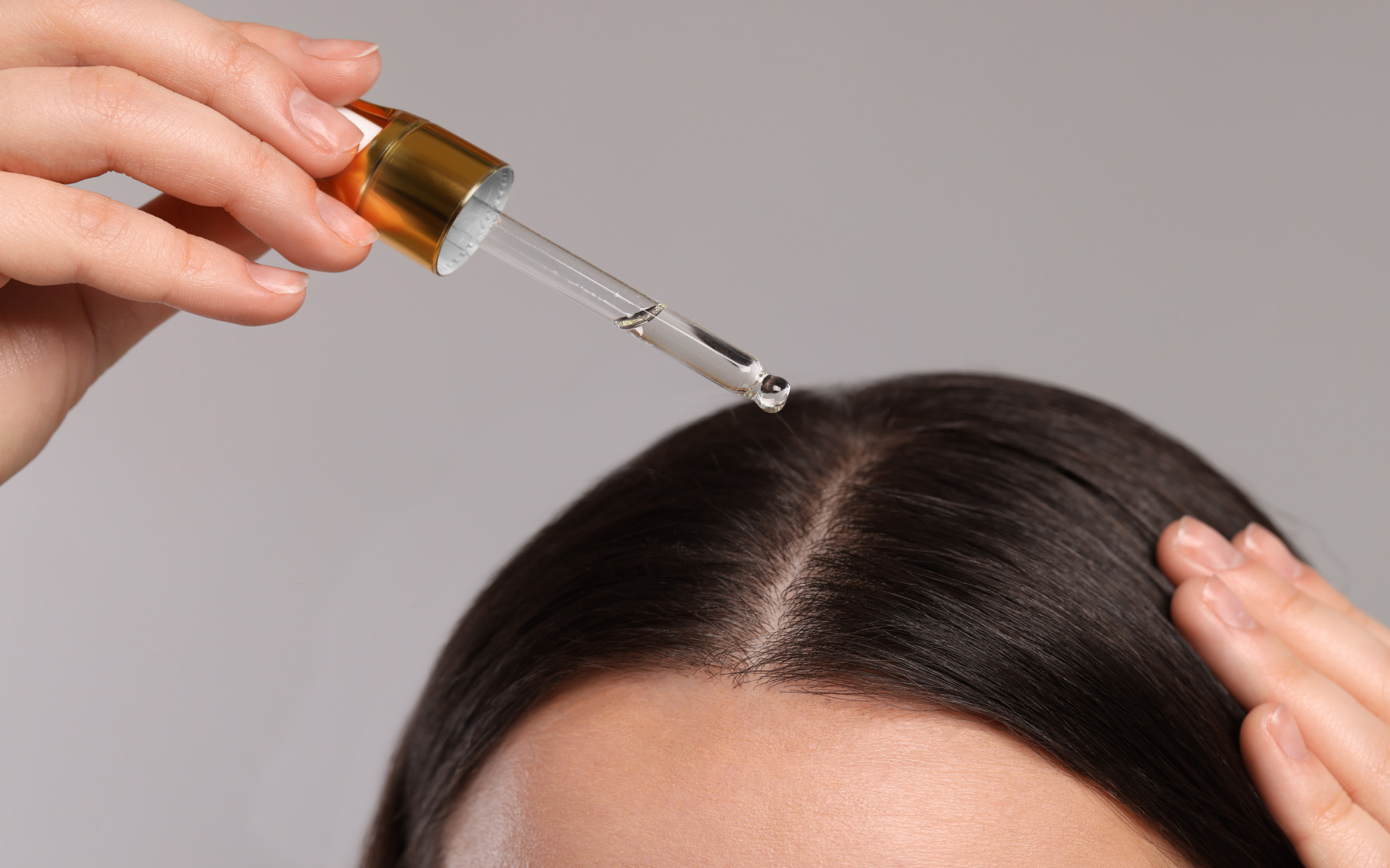
Hair consumers read labels. These are not buzzwords, but category descriptors your target customer uses to determine whether or not your product is right for them:
- Sulfate-free / silicone-free
- Paraben-free
- Vegan and cruelty-free
- Clean or organic certified
Decide what standards your line will adhere to before you speak to a manufacturer, and make sure it’s in writing. If a manufacturer cannot document that they will provide a clean formulation, then they shouldn’t be used.
Understanding Compliance and Regulatory Requirements
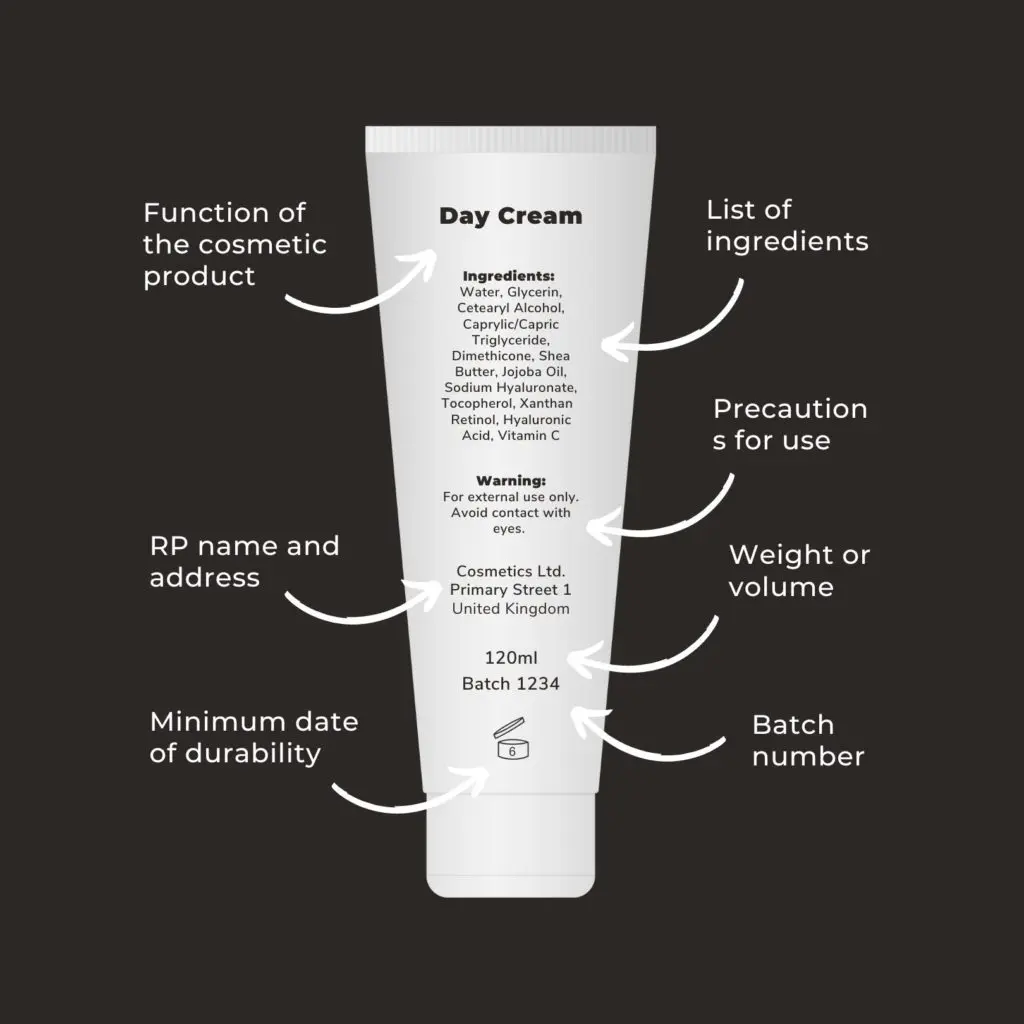
If you are planning to market a cosmetic in the United States, your product is regulated by the FDA. It is not optional and it is not overly complicated – but creates legal exposure.
As part of the FDA MoCRA act (Modernisation of Cosmetics Regulation Act, effective 2024), all cosmetic brands (even smaller independent brands) are now required to register product and facility listings with the FDA. This is a new mandate that many emerging brands are not aware of, and failure to comply with it can lead to product seizure or recall.
By law, the label must include:
- Product name and intended use
- Net weight or volume
- Complete ingredients list, from most to least (INCI names)
- Name and US address of manufacturer or distributor
- Any warnings (e.g. “Keep out of reach of children”)
You also need to perform or have performed a basic safety assessment for your formula. This should be included by most private-label labs, if it isn’t, ask them why.
If you intend to export your formula – even if it’s only to Canada or the United Kingdom, there are additional regulations such as EU Cosmetics Regulation and Health Canada notification. Keep your initial market domestic until the compliance baseline is established..
Branding Decisions To Make Your Launch
Pick a Specific Lane
Nail down your niche before investing in design:
Fine and straight hair: lightweight hold, no residue, anti-humidity
Natural hair community: coils, kinks, high-porosity textures
Premium organic: minimal SKUs, clean ingredients, elevated packaging
Barbershop clientele: male grooming, scalp care, beard crossover
Be more specific and your word-of-mouth will be better. You can always fill in the gaps with loyal customers. You can’t make up for being unmemorable at the launch.
Packaging Speaks More Than Label
A bottle with a “private label” look detracts from any premium price point, no matter the quality. Customers make decisions in less than three seconds in-store or online.
The cosmetic boxes contribute to the perception of your line in the store. Texture, typeface, colour and material weight all speak to quality prior to purchase. A matte-laminated box with foil detailing on a $28 product is a different beast than a simple white box with a printed label. Each time a customer picks up your product.
Estimated Cost Breakdown for Your Product Line
|
Category |
Realistic Range |
|---|---|
|
Formula sampling & revision |
$200 – $800 |
|
First production run (150–300 units) |
$1,800 – $4,500 |
|
Logo & brand identity design |
$300 – $1,200 |
|
Packaging design & printing |
$600 – $1,800 |
|
Website / e-commerce setup |
$200 – $600 |
|
Product photography |
$300 – $700 |
|
Marketing & launch collateral |
$300 – $1,000 |
|
Total (estimated) |
$3,700 – $10,600 |
The biggest and most common mistake is ordering bulk before checking the market. Collaborating with cosmetic packaging manufacturer that service the small business market is a great way to avoid this. Low-volume runs allow you to test market fit before investing in large quantities, which reduces the risk of holding thousands of units of a product you’ll want to revise after a few weeks in the market.
Setting the Right Price for Profitability
The cost table is what you spend. Here’s how to set your price – a worked example.
The beauty industry retail markup is typically 4x-6x your landed cost per unit (landed cost is cost of goods, packaging, inbound shipping, duties and other fees).
Example:
Formula + production cost per unit: $3.20
Packaging: $1.40
Inbound shipping per unit: $0.40
Landed cost: $5.00 per unit
At 5x markup: retail price: $25.00
At 6x markup: retail price: $30.00
A few principles that matter in this category:
Price to your positioning, not your anxiety. If you price a styling product at $12, it will be mid-market whatever the formula. If you are going premium, price to that and package to reflect it.
Build in a wholesale margin from day one: Wholesale is usually 50% of the retail price – if you are selling for retail at $28, you wholesale at $14. Your landed price needs to be low enough to make this viable. If not, put your retail price up before selling wholesale.
Psychological pricing works. $24, $27 and $34 performs better than $25, $30 and $35 in beauty retail. It makes no difference to the consumer but will increase margin significantly at high volume.
Realistic Timeline for Launching Your Product Line
Failed launches in the market is often caused by misestimating the time required to launch a product. The founder who skips or shortens the sampling or packaging process faces problems. It could be in the form of quality or in design, where the line was reprinted at significant cost.
|
Phase |
Duration |
Key Activities |
|---|---|---|
|
Research & decisions |
Weeks 1–4 |
Product type, manufacturer shortlist, brand positioning |
|
Sampling & revision |
Weeks 5–10 |
Formula testing, 1–3 revision rounds |
|
Brand & packaging design |
Weeks 6–12 |
Logo, label, box design, final approval |
|
Production run |
Weeks 13–18 |
Manufacturing, QC check, delivery |
|
Photography & setup |
Weeks 18–20 |
Product shots, website, social profiles |
|
Soft launch |
Week 21+ |
In-salon first, gather feedback, then expand |
Scaling Your Hair Product Business Beyond the Salon
Validate Before You Expand
Offer in-salon sales for 6-12 months. Test customer feedback, determine what product has the highest repeat orders, and establish a re-order volume before reaching out to other accounts. Wholesalers need reliable supply & wait until you have your own supply chain established.
Know Your Distribution Options
As you grow, each channel carries different margin:
- Salon sales: best margin with a volume cap and no fees
- Your own website: good margin, needs investment to drive traffic, complete brand control of pricing and display
- Platforms: higher volume, competitive pricing model, not always conducive to luxury positioning
- Wholesale to other salons: lower margin per unit but rapid growth and influential word-of-mouth through the professional network
If your business will offer extensions as part of a retail mix, either in your salon or wholesale, the packaging of extensions becomes even more important in the high price range. The use of high-quality hair extension boxes support a high-value product as it’s transported and stored, while communicating the luxury positioning demanded by the price point. Extensions are a high value item, and should be presented as such.
Most independent salon brands begin with in-salon sales, establish websites in their first year, and begin distributing wholesale to salons in their second year. Don’t feel compelled to do it all.
Use Your Origin Story
“Formulated by a salon professional and tested by salon clients to solve a specific problem” is a brand story that stands out in a field. Leverage it in your advertising and packaging, and every wholesale call. Other brands pay a lot of money to create this perception. You have it, use it to maximum effect.
The Bottom Line
Starting a private-label hair-care brand out of your salon is one of the savviest things an established stylist or barber can do, not because it’s easy, but because the circumstances of your existing practice create advantages for your product that no other company can match when they begin.
The professionals who make it happen put the same skills to work for their product as they do for their clients. This includes realistic budgeting, branding, superior formulation and packaging that matches the product’s value.
The opportunity is real. The path is now clear. What it needs, more than capital, is a commitment to do it right.