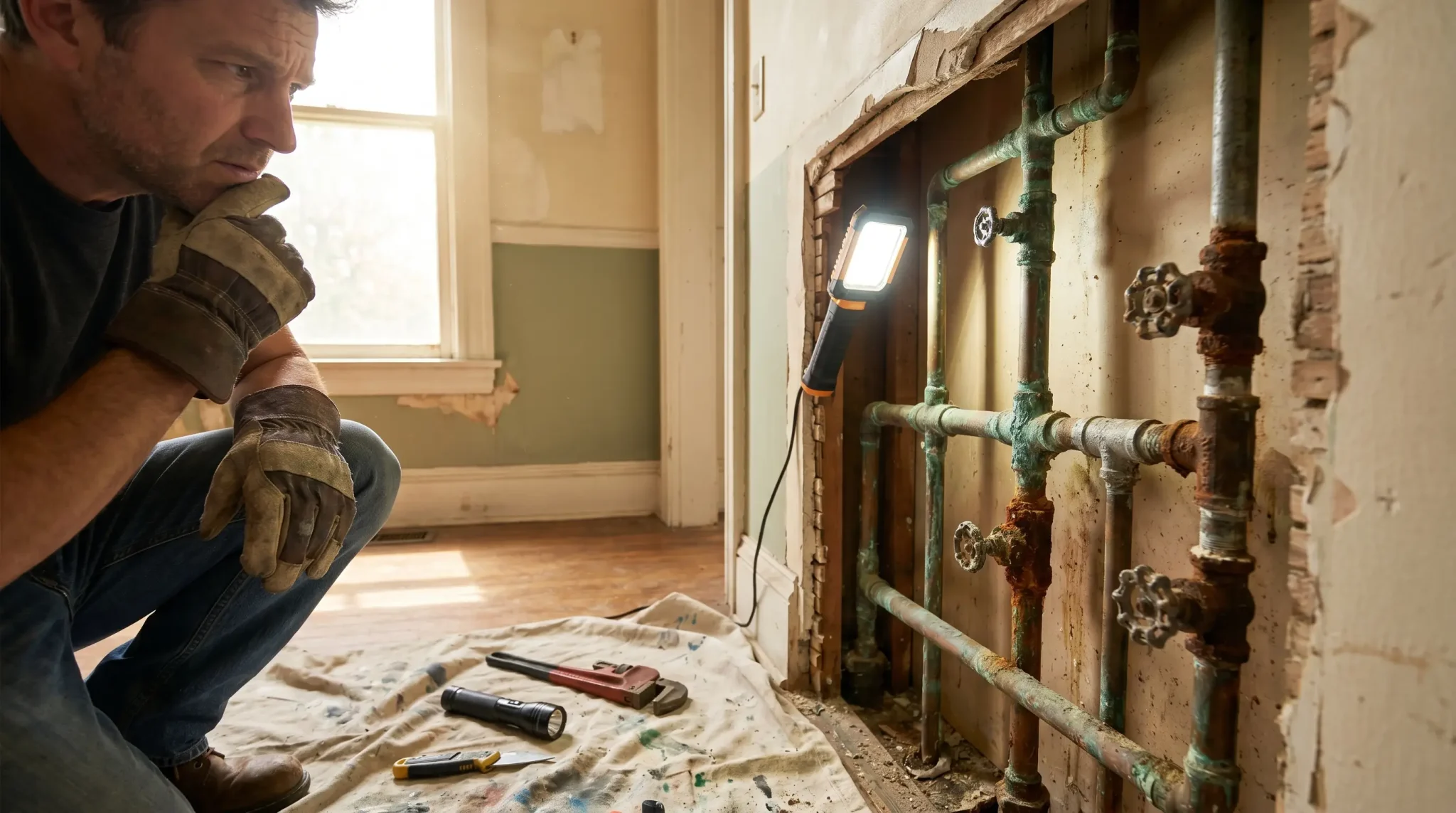
Renovating an older home can be exciting. You get the chance to update outdated rooms, improve comfort, and make the space work better for modern living. But before you start opening walls, replacing cabinets, or installing new fixtures, it is important to check the plumbing system first.
In many older homes, plumbing problems are not always obvious from the outside. A bathroom may look usable, a kitchen sink may still drain, and the water may turn on when needed. However, hidden issues like aging pipes, weak shut-off valves, corrosion, low water pressure, or slow drains can quickly turn a renovation into a bigger and more expensive project.
Doing a plumbing inspection before renovation helps homeowners avoid delays, emergency repairs, and unexpected damage. Here are the key plumbing checks to complete before starting your next remodel.
1. Check Old Shut-Off Valves
Shut-off valves are one of the most important parts of a home plumbing system, especially during renovation. These valves allow you to stop the water supply to a sink, toilet, washing machine, appliance, or fixture without turning off water to the entire home.
In older homes, shut-off valves may be stiff, rusty, leaking, or no longer working properly. Some may not close completely, which can be a serious problem if you need to replace a faucet, toilet, vanity, or water supply line.
Before renovation begins, test the shut-off valves carefully. Look for signs of dripping, corrosion, mineral buildup, or loose handles. If a valve is difficult to turn or does not fully stop the water, it should be replaced before new fixtures are installed.
This is also a good time to prepare replacement valves, supply lines, fittings, and other plumbing parts in advance. Ordering from a reliable plumbing supply store such as PlumbingSell can help homeowners and contractors avoid last-minute delays when old parts need to be replaced unexpectedly.
2. Identify Outdated Pipe Materials
Many older homes still have outdated plumbing materials. Depending on the age of the property, the system may include galvanized steel, old copper, polybutylene, cast iron, or aging PVC and CPVC pipes.
Some older materials can last for many years, but they may also become more prone to corrosion, clogging, leaks, or reduced water flow over time. Galvanized pipes, for example, can rust from the inside and restrict water pressure. Old cast iron drain lines may crack, corrode, or develop buildup inside the pipe.
Before remodeling a kitchen, bathroom, laundry room, or basement, try to identify what pipe materials are behind the walls and under the floors. If you are already planning to open walls or replace fixtures, it may be more cost-effective to update old pipes at the same time instead of waiting for a future leak.
3. Look for Corrosion Around Fittings and Connections
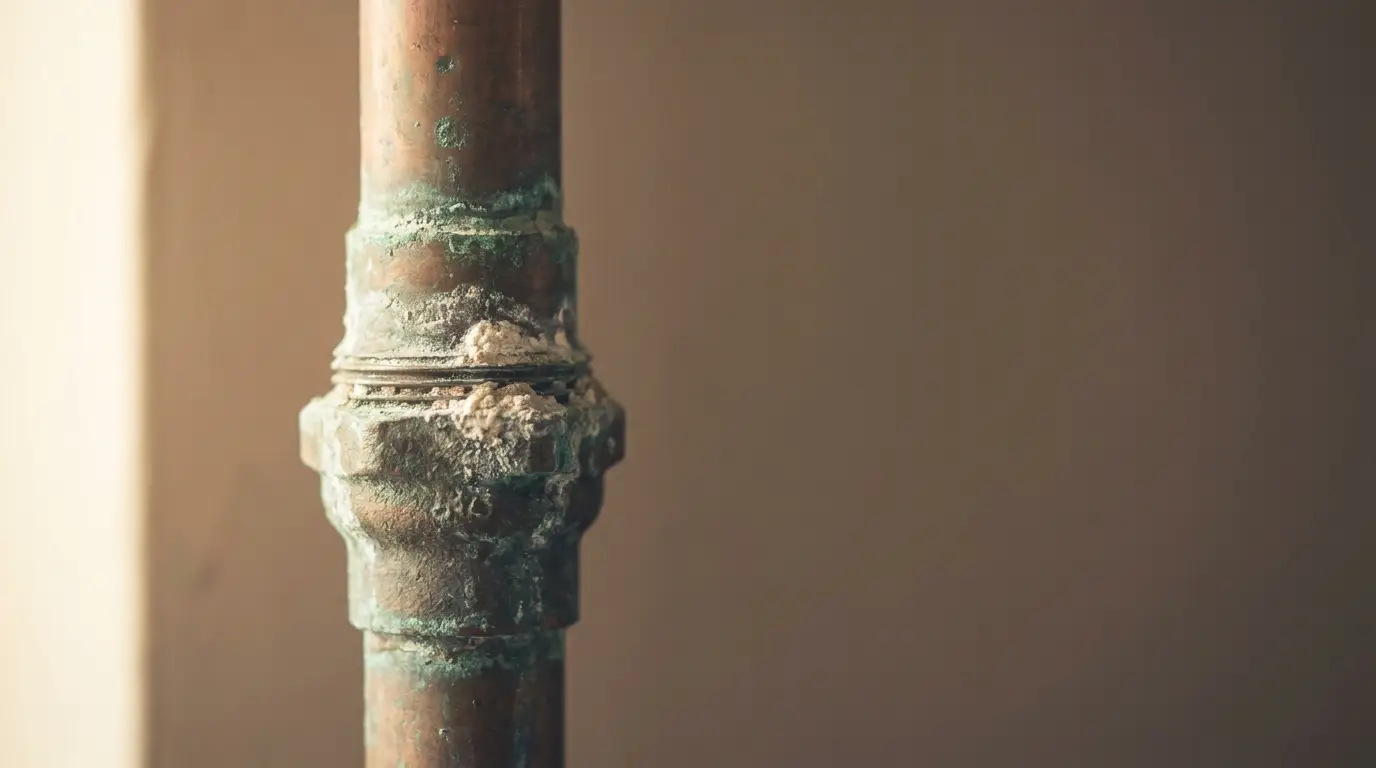
Corrosion is one of the clearest warning signs in an older plumbing system. It often appears around valves, pipe joints, fittings, water heater connections, supply lines, and under-sink plumbing.
Common signs include green or white buildup on copper pipes, rust stains, flaking metal, discoloration, or crusty deposits around threaded connections. While a small amount of mineral buildup may not always mean immediate failure, corrosion should never be ignored before renovation.
If you are installing new cabinets, flooring, drywall, or tile, a small hidden leak can cause major damage later. It is better to replace questionable fittings and connections before the finished surfaces are installed.
Homeowners should also check areas around water heaters, laundry hookups, ice maker lines, bathroom vanities, and utility sinks. These are common places where old fittings and valves may wear out.
4. Test Water Pressure Before Installing New Fixtures
Low water pressure is another common issue in older homes. Sometimes it is caused by old pipes, mineral buildup, partially closed valves, clogged aerators, or supply line restrictions. In other cases, the problem may be related to the main water supply or pressure regulator.
Before installing new faucets, shower valves, toilets, washing machines, or water-using appliances, test the water pressure in different parts of the home. Check the kitchen, bathrooms, laundry area, outdoor hose bibbs, and any basement or utility fixtures.
If only one fixture has weak pressure, the problem may be local to that faucet or supply line. If the whole house has low pressure, the issue may be deeper in the plumbing system.
Addressing water pressure problems before renovation is important because new fixtures will not perform well if the existing system cannot support them properly.
5. Search for Hidden Leaks
Older homes can have small leaks that go unnoticed for months or even years. These leaks may be hidden behind walls, under floors, inside cabinets, around toilets, near tubs, or below old supply lines.
Before renovation, look for warning signs such as:
- Water stains on ceilings or walls
- Soft or warped flooring
- Musty smells
- Mold or mildew near plumbing areas
- Peeling paint or bubbling drywall
- Damp cabinet bottoms
- Unexplained increases in water bills
Even if the leak seems minor, it should be repaired before remodeling. Renovation often covers old plumbing with new materials, making future repairs harder and more expensive.
If you are unsure where a leak is coming from, consider hiring a licensed plumber to inspect the system before work begins.
6. Inspect Drain Performance
Drain problems are easy to overlook during renovation planning. A sink may drain slowly, a shower may gurgle, or a toilet may need extra flushing, but homeowners sometimes assume these are small problems. In an older home, they may point to larger drainage issues.
Before remodeling, test every drain in the renovation area. Run water for several minutes and watch how quickly it drains. Listen for gurgling sounds and check for sewer odors. Also look for signs of backup around floor drains, laundry drains, tubs, and basement plumbing.
Older drain lines may have buildup, poor slope, damaged sections, or tree root intrusion. If you are renovating a bathroom or kitchen, it is better to correct drain issues before installing new flooring, tile, cabinets, or fixtures.
Final Thoughts
Renovating an older home is not just about updating the visible design. The plumbing behind the walls, under the floors, and inside cabinets plays a major role in how well the finished space performs.
Before starting renovation, homeowners should inspect shut-off valves, old pipes, corrosion, water pressure, hidden leaks, and drain performance. These checks can help prevent delays, protect new finishes, and reduce the risk of unexpected plumbing emergencies.
For homeowners, DIY renovators, and contractors preparing for plumbing updates, having the right parts ready makes the process much smoother. From valves and fittings to supply lines and repair essentials, PlumbingSell offers practical plumbing supplies that can help support renovation projects from planning to installation.