Some manicure decisions are easy. Picking a color usually takes me a minute.
Deciding on round or square nails never does.
I’ve worn both often enough to know that the difference goes well beyond a curved or flat tip.
The shape changes how a manicure wears, how often it needs touching up, and even how polished your hands look.
That’s why it’s worth comparing both before your next appointment.
What Are Round Nails?
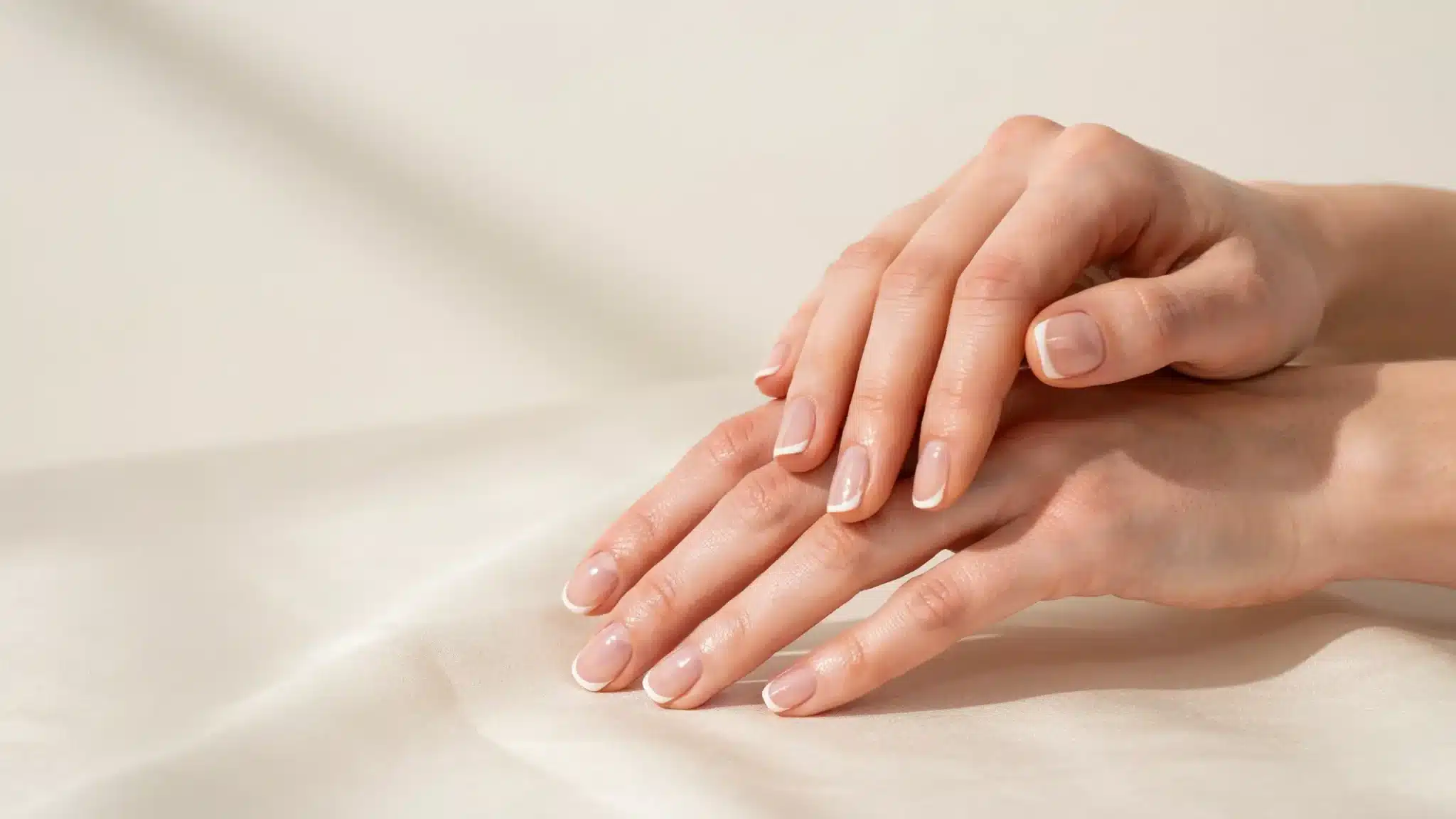
Round nails follow the natural curve of your fingertip, with straight sidewalls that curve into a soft, continuous arc instead of ending at a corner.
There is no flat edge and no defined point, which is why this shape reads as clean and understated even in a bold color.
The rounded edge keeps the nail from catching on keyboards, fabric, or everyday objects, which makes it a practical pick for anyone who uses their hands constantly.
I reach for round nails on weeks packed with brushes, palettes, and product all day, since there is nothing sharp to catch on anything.
Round also tends to be the shape that most closely mimics a healthy, natural nail bed, which is part of why it never really goes out of style.
What Are Square Nails?
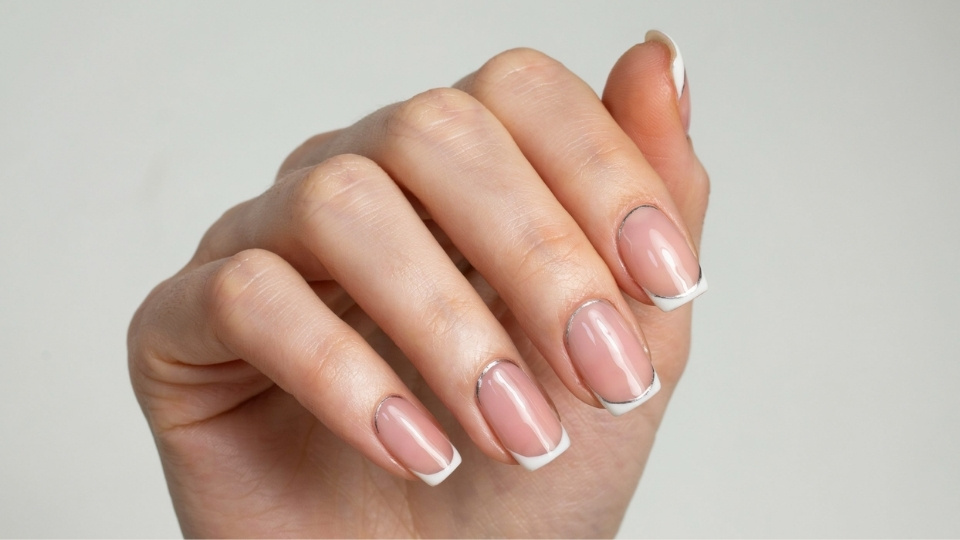
Square nails have a flat tip and straight sidewalls that meet the top edge at a sharp corner, giving the whole nail a graphic, geometric look.
There is no curve at the free edge, so the shape reads as bold and precise, especially under strong studio light.
I love square for the days I want my hands to look intentional in photos, especially with a French tip or a single glossy color, since the flat edge holds a color line so cleanly.
The tradeoff is real though, since square corners are the first place a nail chips or catches, so this shape needs a touch more upkeep than round.
Round or Square Nails at a Glance
Before going deeper into which shape fits your hands, here is a fast side-by-side look at how round and square nails actually compare.
| Factor | Round Nails | Square Nails |
|---|---|---|
| Edge Shape | Soft curve following the fingertip | Flat tip with sharp corners |
| Best Nail Bed | Wide or short nail beds | Long, narrow nail beds |
| Snag Risk | Low, no corners to catch | Higher, corners catch first |
| Upkeep | Minimal filing between fills | Needs regular corner touch-ups |
| Overall Look | Soft, natural, understated | Bold, graphic, editorial |
| Great For | Everyday wear, hands-on work | Photos, French tips, solid color |
Neither shape wins outright here, since the right pick depends entirely on your nail bed width, your daily habits, and how much upkeep you enjoy.
Round vs Square Nails: Key Differences
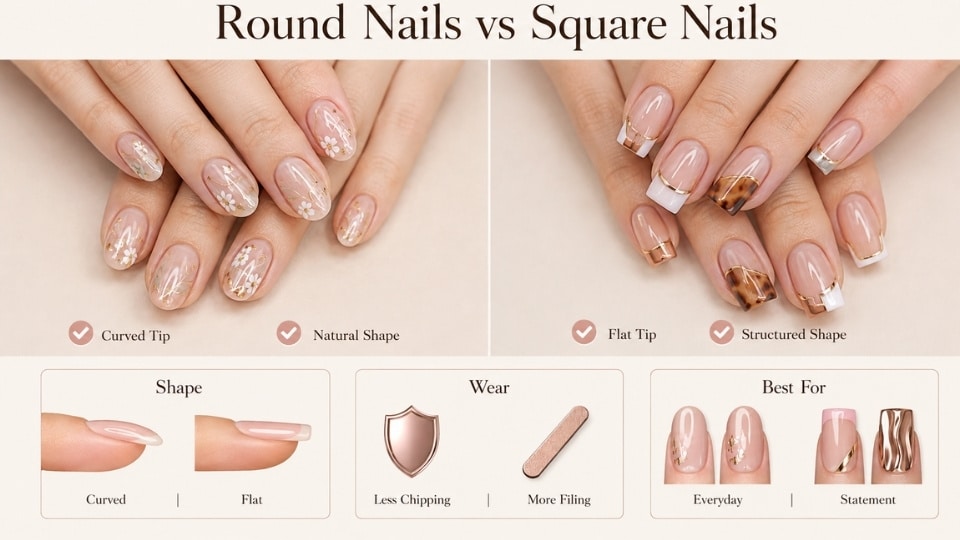
The table above covers the basics, but three specific differences actually decide how each shape looks and behaves on your particular hands day to day.
Shape and Silhouette
Round nails mirror the curve of your fingertip exactly, so the silhouette continues in one smooth line from cuticle to tip.
Square nails break that line deliberately, adding a flat plane and two corners that make the nail read as more structured and considered rather than naturally shaped.
Durability and Daily Wear
Corners are where nails actually break, since force concentrates at that single point instead of spreading along a curve.
This is why round nails typically chip less during an average week, while square nails need a light file along the edge every few days to stay sharp and intact.
Styling and Versatility
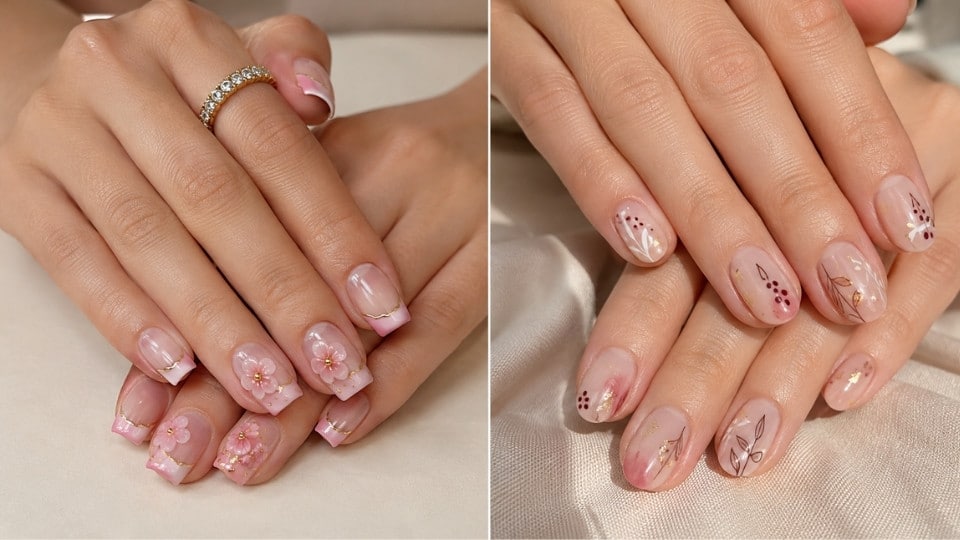
Round works with almost any polish or design without competing for attention, which is why I default to it for everyday color.
Square gives a flat canvas that holds French tips, block color, and chrome finishes with a crisp, editorial edge that round simply cannot replicate.
Which Nail Shape Suits Your Hands
Your hand shape matters more than any trend cycle, so here is how nail bed width and finger length point you toward the right pick across every common shape.
| Hand Type | Better Fit | Why |
|---|---|---|
| Short Fingers | Round or Oval | Continues the fingertip line instead of adding width |
| Long, Narrow Nail Beds | Square or Squoval | The flat edge balances a slender nail plate |
| Wide Nail Beds | Round or Almond | Avoids emphasizing horizontal width at the tip |
| Very Active Hands | Round or Squoval | Fewer corners means fewer snags and breaks |
| Editorial or Bold Looks | Square or Stiletto | Flat or tapered surface reads graphic in photos and video |
| Very Long Nails | Coffin or Stiletto | Round can start to look plain or unfinished at length |
| Very Short Nails | Round or Oval | Square can look blunt and stubby at short lengths |
| Slim, Tapered Fingers | Almond | Mirrors the natural taper for an elongated look |
No shape is off-limits at work. Softer shapes like round and oval read quieter and more natural, while square, coffin, and stiletto read more polished and dramatic, so let your workplace and how much attention you want on your hands choose the pick.
How to File Round and Square Nails at Home
Filing either shape at home just takes the right angle and a little patience, and both start from the same basic clipped and buffed nail.
Step by step for round:
- File with the natural curve of your fingertip, following the shape already there instead of forcing a new outline.
- Round the tip gradually, moving the file from each side toward the center in one direction.
- Keep strokes light and consistent, checking the shape every few passes instead of filing in one long push.
- Finish with a buffer to smooth the edge, then apply cuticle oil to soften the surrounding skin.
Step by step for square:
- Clip straight across first, creating a flat base before you pick up the file.
- File the top edge flat, keeping the file level so the tip stays straight instead of curving.
- Square off both corners at a true angle, checking that they match on each side.
- Smooth just the very tips of the corners so they resist snagging without softening the square look.
Either shape takes under ten minutes once you get the motion down, and a glass file makes the whole process noticeably gentler on your nails.
How to Choose Between Round and Square Nails
Once you know your nail bed shape, a few quick checks make the final decision easy, without needing anyone else to tell you what already suits you.
- Check your nail bed width: Hold your hand flat and look at where the nail meets the skin. Wide plates lean round, narrow plates lean square.
- Think about your hands during the day: Typing, cooking, or hands-on work all week favors round for fewer snags and less breakage.
- Look at your finger length: Shorter fingers usually look longer with round, since square can add visual width at the tip.
- Consider the look you actually want: Round nails look soft and natural; square nails photograph as sharp and graphic, especially under strong light.
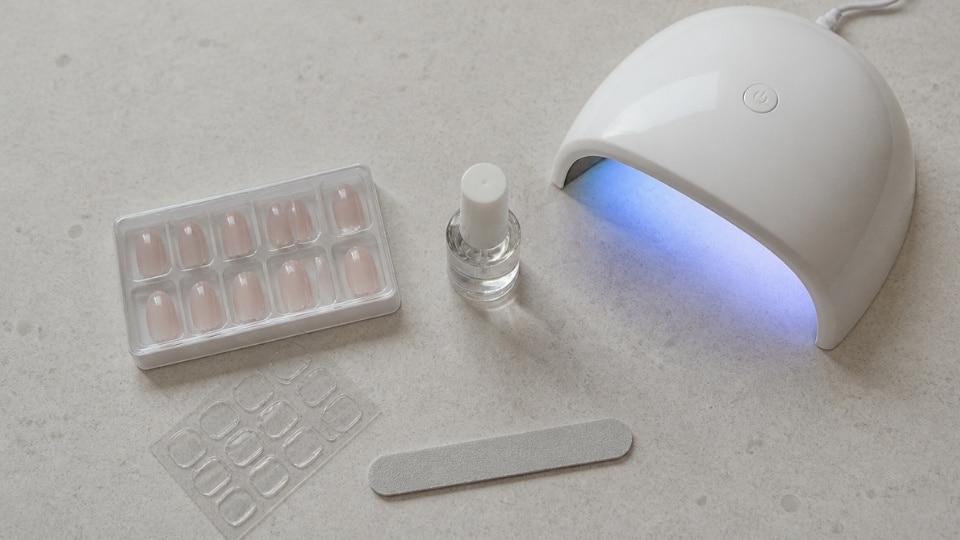
- Test before you commit: Try a press-on set in each shape for a week before booking a gel or acrylic appointment.
|
If you’re stuck between the two, squoval is worth trying first. It keeps the straight sidewalls of a square nail but softens the corners into a gentle curve, a similar middle ground to how almond splits the difference between a soft curve and a sharp taper. I recommend it most for fragile or actively growing nails, since there’s less sharp edge to catch or break. It’s the shape that borrows durability from round and structure from square, without asking you to choose a side. |
None of these checks require guesswork once you actually look at your hands honestly, since your nail bed shape rarely lies about what suits it.
Final Thoughts
Choosing between round or square nails isn’t about following trends.
It’s about finding a shape that fits your hands and the way you use them every day.
Round nails are a dependable choice if you want something natural, low-maintenance, and less likely to snag, while square nails offer a cleaner, more structured finish that stands out with classic manicures like French tips and solid colors.
If you’re still undecided, try each shape for a couple of weeks. Sometimes wearing a nail shape tells you more than any comparison ever could.
Frequently Asked Questions
Does Nail Shape Affect How Long Polish Lasts?
Yes, slightly. Round nails tend to chip less because they don’t have sharp corners that catch on everyday objects.
Can You Switch From Round to Square Without Growing Out Your Nails?
Sometimes. If your nails have enough free edge, a nail technician can reshape them into a square without much extra growth.
Does Nail Shape Change Between Gel and Acrylic?
No. The shape stays the same, though acrylic holds sharp edges longer while gel is slightly more flexible.
Which Shape Works Best With Rings?
Round nails pair well with most rings because they have a softer, balanced look. Square nails can stand out more with bold statement rings.
Is One Nail Shape Better for a Special Occasion?
Not necessarily. Round nails suit classic events like weddings, while square nails create a bolder, more modern look for parties or photos.