No one really prepares you for how unfamiliar pregnancy can feel. Not in the dramatic sense, but in the day-to-day moments where you realize your body doesn’t respond the way it used to, or your patience runs out faster than expected, or you suddenly need a break from things you once enjoyed.
It’s strange because so much of pregnancy is talked about publicly, yet the personal experience can feel oddly private. You’re still you, but slightly rearranged. Most of the time, self-care during pregnancy comes down to learning how to stay connected to yourself while everything else is in motion.
What Self-Care Looks Like When You’re Pregnant
Pregnancy has a way of humbling even the most organized women. Things you used to push through suddenly push back. Energy becomes something you pay attention to instead of something you assume you’ll have.
Self-care starts feeling less like a routine and more like a series of decisions. Do I need rest or movement today? Do I need quiet or distraction? Do I actually want to do this, or am I doing it out of habit?
Some days you’ll still feel capable and productive. Other days you won’t. Both are normal, and neither needs to be explained away. Pregnancy forces a certain kind of honesty with yourself, especially when ignoring your body comes with consequences like exhaustion or discomfort that lingers longer than it used to.
Letting yourself slow down can be uncomfortable at first, especially if you’re used to measuring your days by output. Over time, it often becomes a relief.
Living in a Body That’s Constantly Adjusting
Your body doesn’t change all at once. It changes gradually, then suddenly, then gradually again. One week, something feels manageable. The next week it doesn’t.
Supporting your body often means lowering expectations around how movement should look. Gentle walking, stretching, or pregnancy yoga can feel grounding when energy allows. Other times, sitting or lying down is the most supportive choice you can make. There’s no hidden prize for pushing through discomfort.
Sleep deserves its own category because it rarely goes the way you want it to. Getting comfortable becomes a nightly puzzle, and staying asleep can feel like a guessing game. Instead of focusing on perfect sleep, it helps to think in terms of rest overall. Earlier nights, short naps, or moments of stillness during the day can make things feel more balanced.
Food and hydration tend to shift too. Appetite changes, preferences change, and tolerance changes. Paying attention to what helps you feel steady matters more than sticking to a specific plan. Pregnancy has a way of simplifying things, even when it feels messy in the moment.
Comfort also plays a bigger role. Clothes that actually fit, shoes that don’t leave you sore, and pillows that support your back or hips. These are not small details. They shape how you experience your body every single day.
Skincare as Comfort, Not a Fix
Skin often becomes more reactive during pregnancy, sometimes without warning. Dryness, sensitivity, breakouts, or pigmentation changes can show up even if your skin was predictable before. That unpredictability can be frustrating, especially if skincare used to feel simple.
This is usually the point where less becomes more. Gentle cleansers. Straightforward moisturizers. Sunscreen you actually enjoy wearing. Pregnancy is not the time to overhaul everything or chase results.
Reading labels matters more now, and checking with a healthcare provider before trying new ingredients can save you from unnecessary stress. Skin tends to respond better when routines feel calm and consistent.
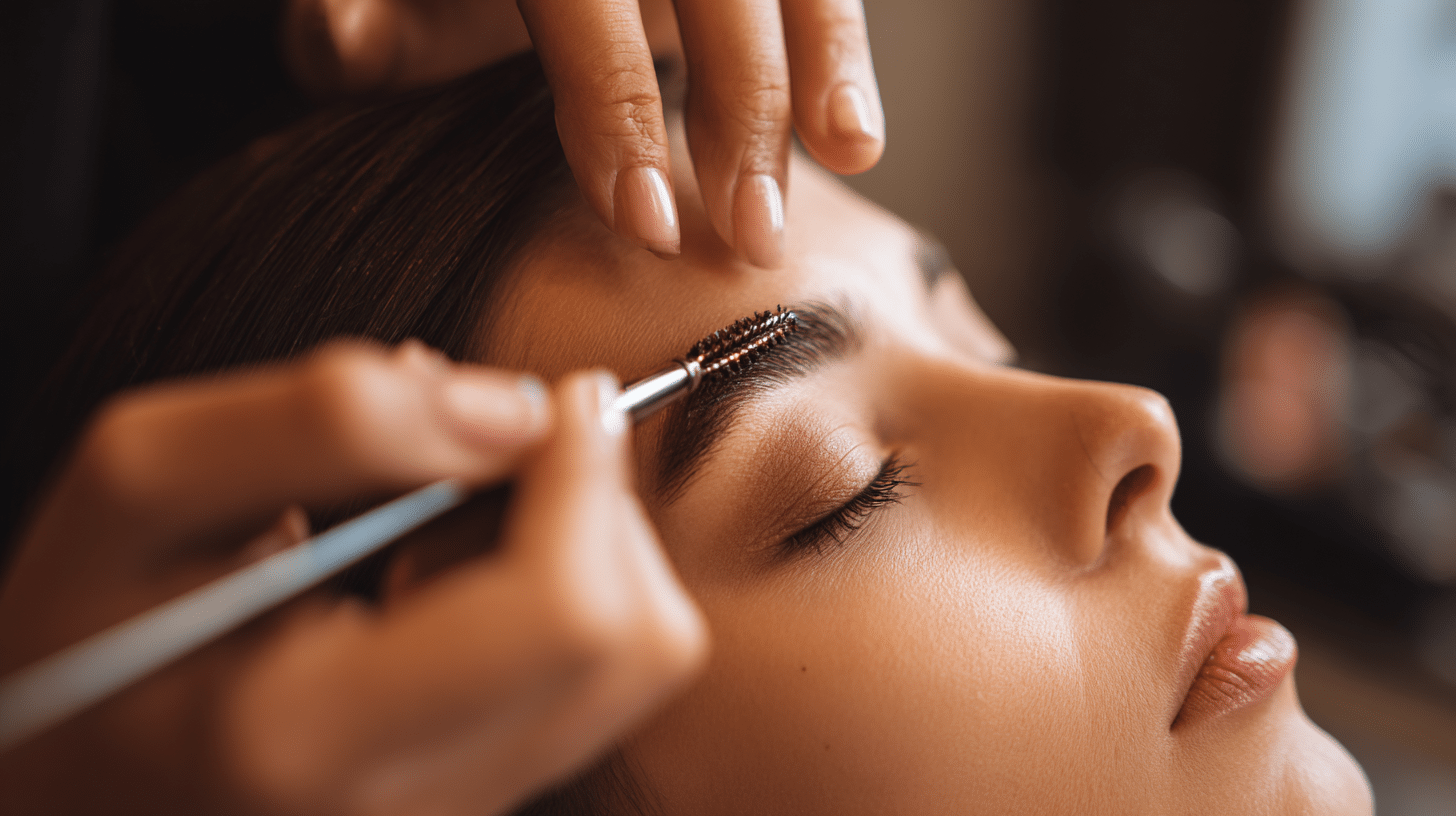
Some women also choose professional skincare treatments. When approved by a provider, gentle options like facials or pregnancy-safe hydrafacial treatments can be part of that care. Usually not for dramatic results, but for hydration and that rare feeling of being taken care of without needing to do anything yourself.
Skincare during pregnancy works best when it feels supportive rather than performative. If it helps you feel comfortable in your skin, that’s enough.
The Emotional Side No One Schedules Time For
Pregnancy emotions rarely follow a clean pattern. You can feel excited and overwhelmed on the same afternoon. Calm one day, restless the next. That emotional range is normal, even when it feels confusing.
Self-care here often means giving yourself room to feel whatever shows up without immediately correcting it. You don’t need to turn every emotion into gratitude or perspective. Sometimes acknowledging that something feels heavy is the thing that helps it pass.
Talking things through can help, and writing things down helps too, not to solve anything, but to clear space.
It also helps to step back from the noise. Advice, opinions, stories, comparisons. Pregnancy attracts commentary, and not all of it is useful. Choosing what you engage with can protect your mental energy more than any single habit.
Making Space Without Turning It Into a Task
One of the quiet lessons of pregnancy is that self-care doesn’t need to be impressive to be effective. Small adjustments tend to matter more than big gestures.
Sitting down when you normally wouldn’t. Taking your time with things that don’t need to be rushed. Choosing rest without negotiating with yourself about whether you deserve it. You don’t need a long list. One or two things that make your days feel more manageable are often enough.
Knowing When You Need More Than Self-Care
There’s a difference between normal stress and something that lingers. If anxiety feels constant, or your mood feels low most days, it’s worth paying attention to that.
Reaching out to a healthcare provider means you’re responding to what your mind and body are telling you. Support during pregnancy can make a meaningful difference, especially when things start to feel heavy.
Final Words
Feeling like yourself during pregnancy doesn’t mean everything feels familiar. It means you recognize your needs and respond to them with some level of care. Self-care during is rarely aesthetic or perfectly timed. It shows up in choices that prioritize comfort, rest, and emotional honesty. Over time, those choices add up.
Your body is doing something significant. Treating yourself with patience while it does that is not extra. It’s necessary.