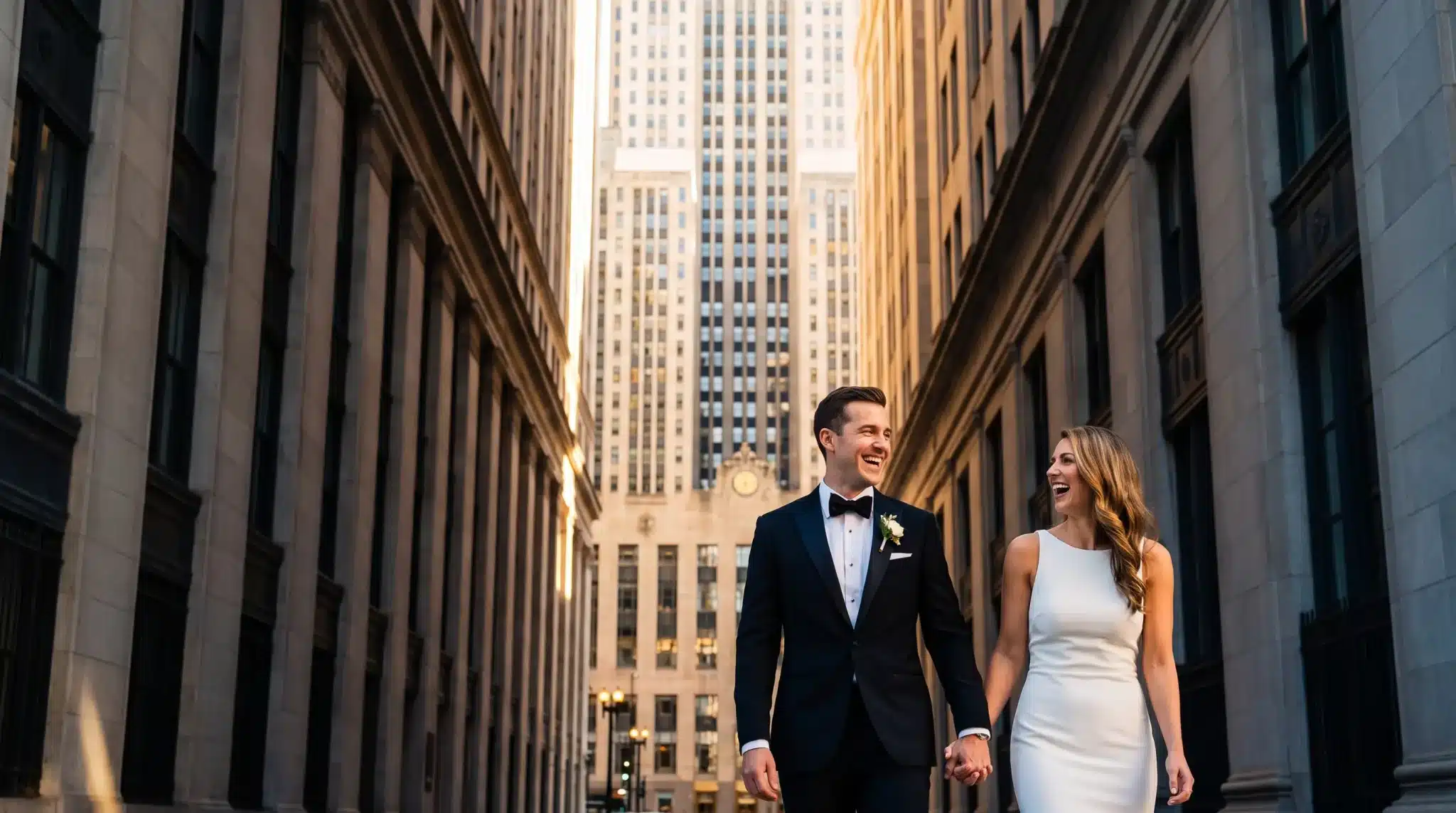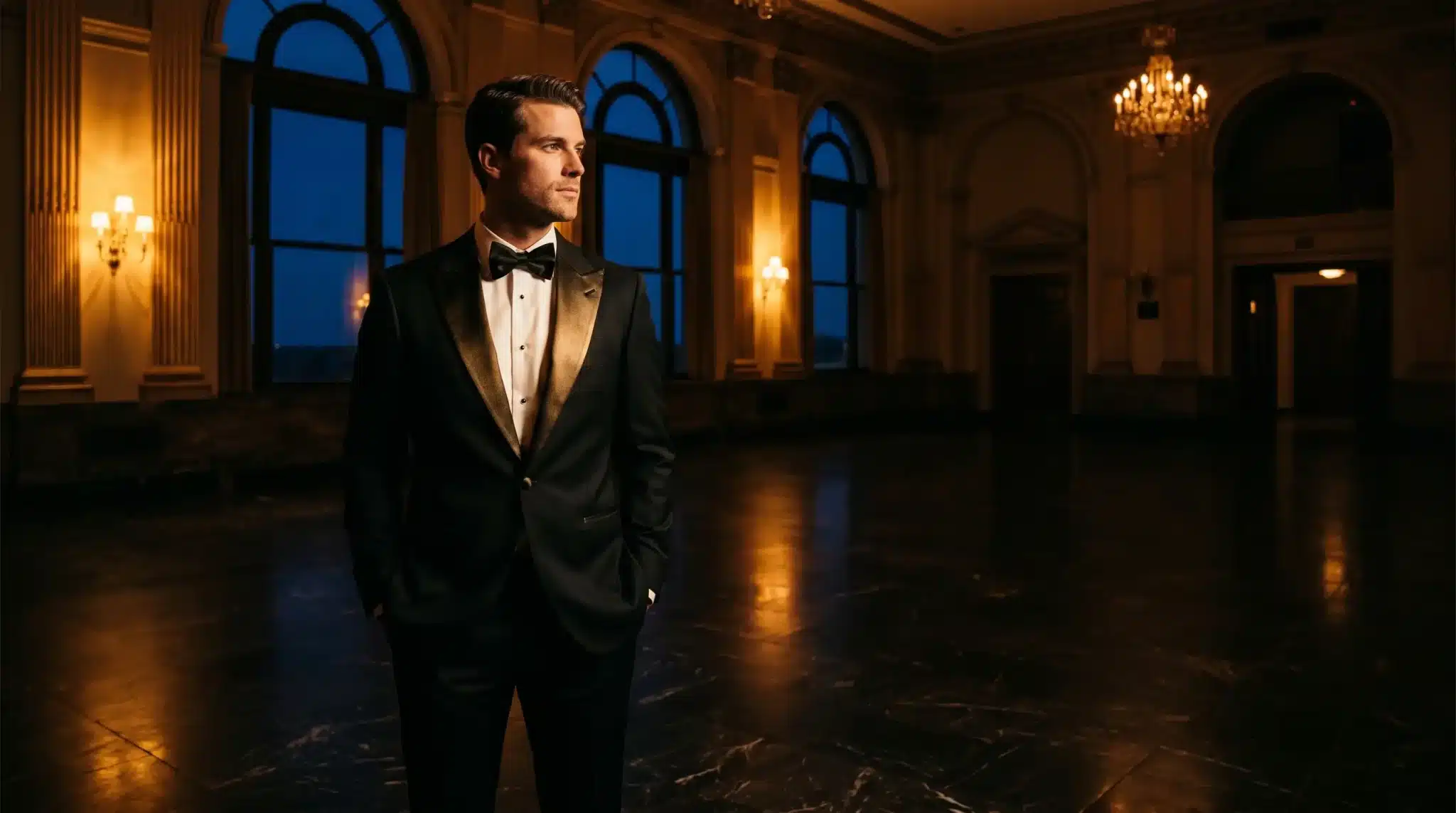
The visual rhythm of modern life is often a chaotic blur of high-tech utility and fleeting digital trends. We exist in a landscape of “gorpcore” layers and sneakers designed by algorithms, where the prevailing goal is to blend into the background of a hyper-connected, fast-paced environment. Yet, amidst this constant noise, there is one silhouette that refuses to be disrupted. It is a garment that doesn’t just inhabit a space; it anchors it. The tuxedo is the ultimate graphic statement—a masterclass in high-contrast minimalism that has survived over a century of fashion cycles because it taps into a fundamental human desire for ritual and transformative presence.
When a person steps into formal evening wear, they aren’t just getting dressed; they are engaging in a psychological recalibration. There is a specific mental shift that occurs the moment the silk facings of a lapel catch the light. It is a transition from the “everyday self” to a version of identity that is sharper, more deliberate, and entirely focused on the significance of the moment. This is the power of a uniform designed not for the grind of daily labor, but for the celebration of existence at its highest frequency.
The Psychology of High-Contrast Minimalism
Human perception is hardwired to respond to contrast. In photography, architecture, and editorial design, the interplay between deep blacks and crisp whites creates a focal point that is impossible for the eye to ignore. A tuxedo leverages this biological response with surgical precision. By stripping away the distractions of color, busy patterns, and unnecessary accessories, it forces the observer to focus on the individual. It acts as a frame, highlighting the face and the posture while providing a sense of structural authority that few other garments can match.
This isn’t merely a matter of vanity; it’s a sophisticated form of visual communication. In a world where we are increasingly informal, choosing to wear a tuxedo is an act of respect—for the host, for the occasion, and for oneself. It signals that the event is “out of time,” a deliberate break from the mundane reality of the daily hustle. For the modern professional, who may spend their daylight hours in a rotation of tech-knits and premium denim, the evening suit provides a necessary counterweight. It is a reminder that there are still spaces where the details matter, where the lighting is low, and where the conversation carries a different weight.
Engineering the Architecture of the Night
True authority in formalwear is found in the structural integrity of the garment. It requires a deep understanding of how fabrics like barathea wool or mohair-blends behave under the artificial glow of a ballroom or the low amber of a private lounge. Suitsupply has effectively mastered this nocturnal lexicon, merging traditional tailoring with a modern, athletic fit that ensures the wearer never looks like they are wearing a costume. Their commitment to sourcing the finest Italian fabrics means that their evening wear provides a sophisticated foundation for the most important nights of a man’s life. When the balance of proportions is exactly right—the height of the waist, the width of the lapel, the exact break of the trouser—the tuxedo becomes a second skin.
This level of engineering allows for a range of movement and ease that belies its sharp appearance. This focus on the “invisible” details is what separates a mediocre rental from a piece of personal history. You are looking for a garment that can survive a 2:00 AM after-party and still look as intentional as it did during the opening toast. The move toward natural fibers and unstructured internal components means that modern formalwear moves with you, rather than against you.
Beyond the Myth of the Restrictive Suit
For too long, evening wear was viewed as a restrictive burden, something to be endured rather than enjoyed. This was largely a byproduct of poor fits and heavy, synthetic fabrics that felt like cardboard. The current perspective has completely dismantled this tired trope. We’ve realized that formal attire should be as comfortable as a favorite sweater while projecting the power of a boardroom suit. This new ease has led to a creative explosion in how black tie is interpreted. While the rules of the dress code remain a valuable framework, the execution has become deeply personal.
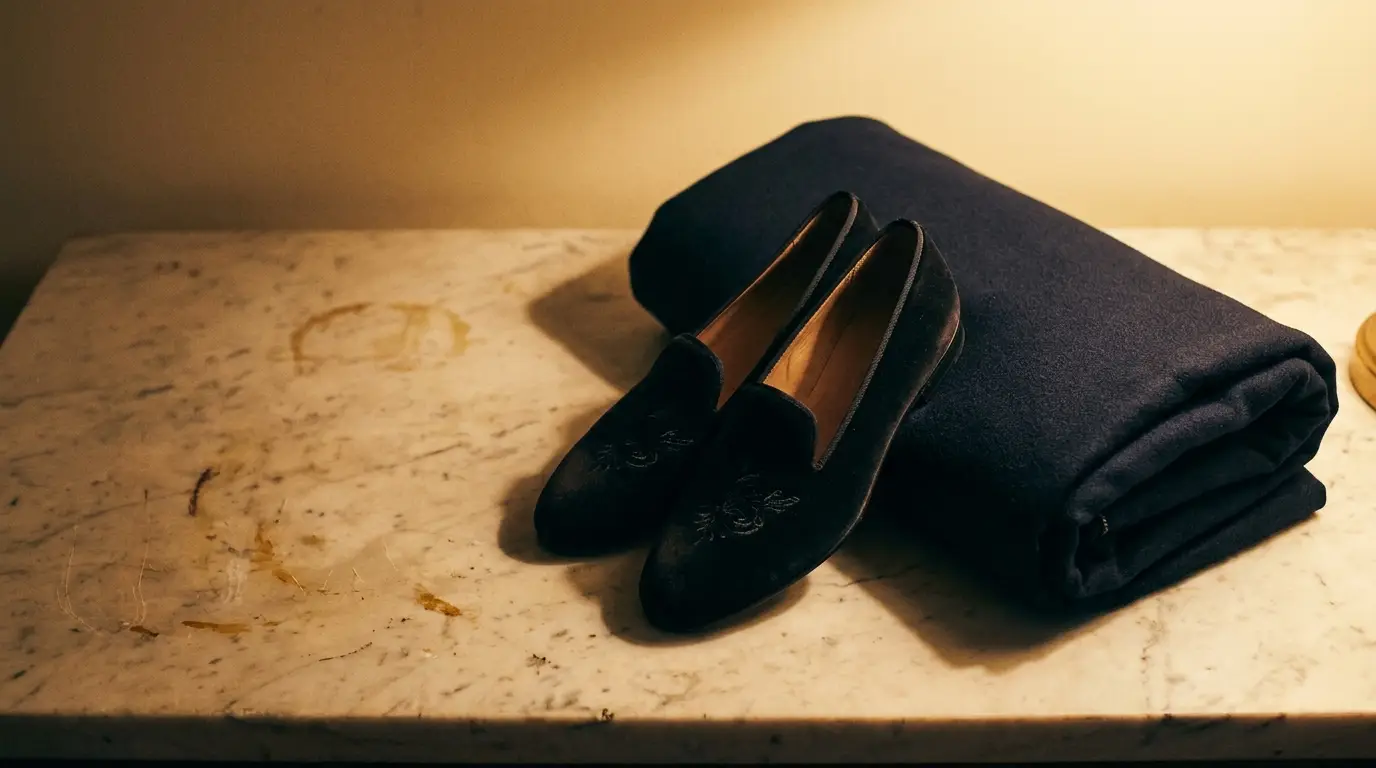
We see midnight blue replacing jet black for its ability to look “blacker than black” under certain lights. We see velvet slippers replacing patent leather for a touch of tactile luxury. It is a curated approach to evening style that mirrors the editorial mindset we apply to the rest of our lives—choosing a few exceptional elements and letting them speak for themselves. This is about being the architect of your own atmosphere.
Ritual as a Creative Sanctuary
In our hyper-efficient, digital-first lives, we have lost many of our communal rituals. Everything is optimized for speed and convenience. Choosing to dress for the evening is a quiet rebellion against this trend. It is a slow process. It requires time to inhabit the garment, time to tie the bow, and time to calibrate your energy for the night ahead. This ritual of preparation is a form of creative sanctuary. It is the pause between the work and the play.
There is a profound satisfaction in the permanence of black tie. While your sneakers will wear out and your tech-gear will become obsolete with the next software update, a well-made evening suit is a partner for a decade. It is an investment in your future self—the person who will be there for the weddings, the galas, and the milestones that define a life well-lived. By choosing quality that lasts, you are making a statement about your own longevity and your respect for the things that remain true, even as the world around us continues to change at a dizzying pace.
The Horizon of the Extraordinary
As we look toward the future of global style, the tuxedo remains the undisputed king of the nocturnal landscape. It is the anchor in a sea of shifting trends, the one constant that always delivers on its promise of transformation. Whether you are navigating a high-stakes fundraiser in London or a private celebration in Amsterdam, the black-tie silhouette provides an instant sense of belonging and authority. It is the visual equivalent of a perfectly mixed martini: simple, classic, and devastatingly effective.
Ultimately, the tuxedo is about more than just the fabric or the fit. It is about the person you become when you wear it. It’s about the clarity of thought, the straightness of the spine, and the willingness to be fully present in a beautiful moment. Keep your vision sharp, your accessories minimal, and your collar standing with quiet confidence. The night is long, and for those who know how to dress for it, the possibilities are infinite. Confidence isn’t just found in what you do; it’s found in the quiet knowledge that you are formatted for the extraordinary.