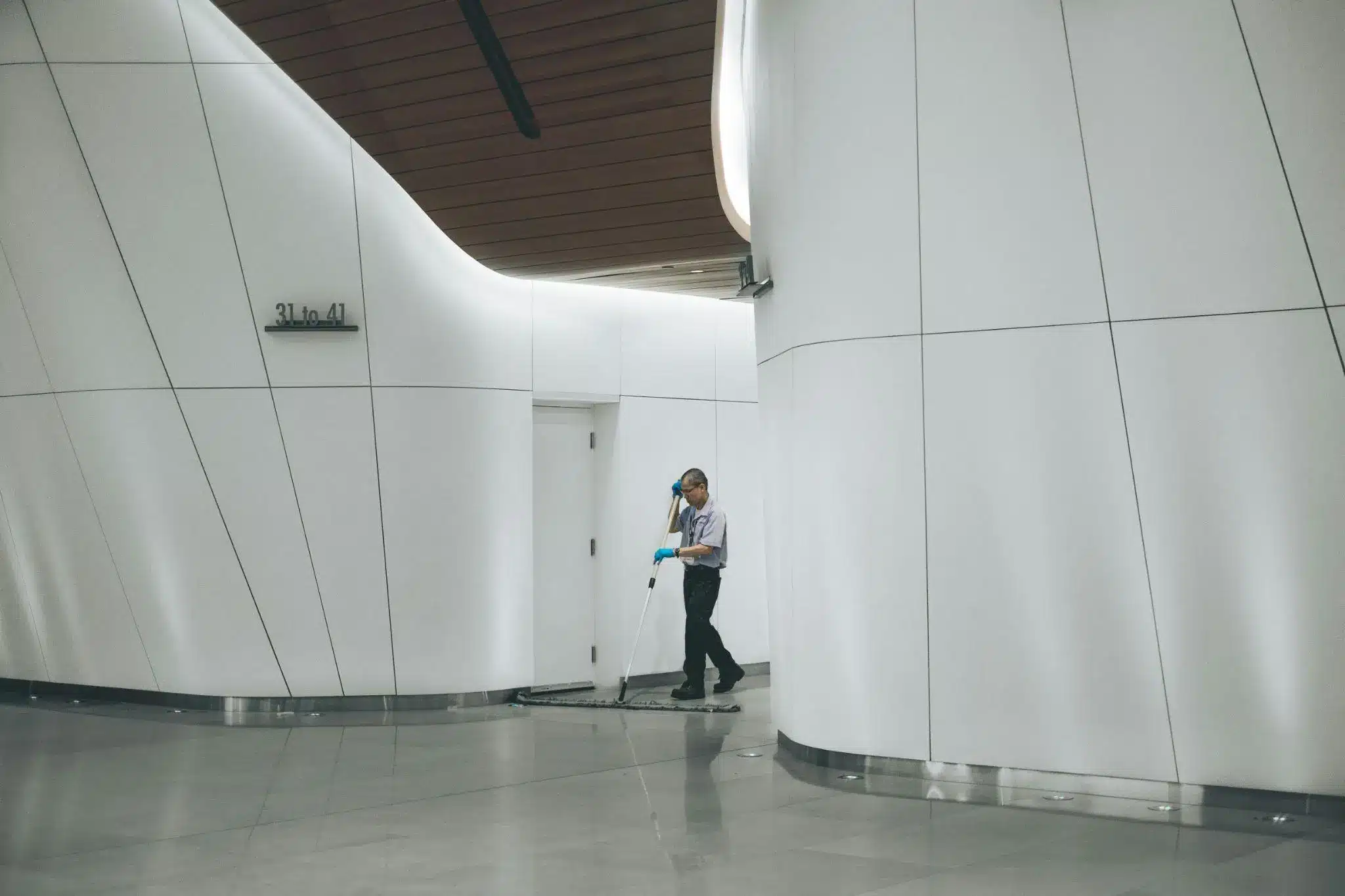
Operational issues rarely begin with major failures. In many facilities, workshops, warehouses, and outdoor work environments, problems develop gradually because cleaning standards shift over time or become inconsistent between teams, schedules, and locations. Equipment may still function, surfaces may appear acceptable at a glance, and workflows may continue moving normally, but underlying cleanliness issues often create operational strain long before serious disruptions appear.
Small inconsistencies tend to spread quietly through daily operations. Residue buildup, overlooked surfaces, neglected tools, blocked work areas, and uneven sanitation routines gradually affect efficiency, maintenance schedules, and workplace organization. Once cleaning standards become inconsistent, businesses often spend far more time correcting avoidable operational problems later.
Surface Buildup Often Creates Delays Over Time
Dirt, residue, grease, and environmental buildup affect more than appearance alone. In active work environments, dirty surfaces often interfere with equipment performance, workspace safety, visibility, and daily efficiency. Areas exposed to moisture, outdoor debris, or heavy traffic usually develop problems much faster when cleaning schedules vary from day to day.
This becomes especially noticeable around loading areas, exterior work zones, shared equipment stations, and high-use surfaces where buildup accumulates gradually. In larger operations, exterior washing routines sometimes become part of broader maintenance planning, particularly during seasons with heavy dust, mud, or residue exposure. Facilities handling demanding cleanup conditions already keep systems fromhttps://hotsyhouston.com/ alongside the rest of their operational maintenance equipment during high-volume cleaning periods.
Once buildup spreads across frequently used spaces, routine tasks often begin taking longer than expected because employees spend additional time working around avoidable conditions.
Inconsistent Cleaning Standards Affect Workplace Organization
Workspaces tend to become harder to manage when cleaning expectations vary between departments, shifts, or teams. Some areas remain organized and functional while others gradually collect clutter, residue, unused materials, or poorly maintained surfaces that interrupt workflow consistency throughout the operation.
The issue is rarely caused by one major oversight. Instead, smaller inconsistencies slowly create environments where employees spend more time locating tools, clearing workspaces, navigating blocked areas, or repeating tasks that should have been handled earlier. Over time, operational efficiency declines because teams no longer work within the same standards across the facility.
Even simple routines like wiping shared surfaces, maintaining organized stations, or keeping frequently touched areas clean often influence how smoothly employees move through daily responsibilities.
Residue and Neglected Surfaces Can Increase Equipment Wear

Equipment exposed to dirt, moisture, grease, or chemical residue usually experiences greater strain over time. Buildup around moving parts, vents, seals, and operational surfaces can gradually reduce efficiency while increasing wear on systems designed to operate under cleaner conditions.
The problem becomes more difficult when maintenance standards differ between teams or locations. Some machines receive consistent care while others continue operating despite visible residue or environmental exposure. This creates uneven performance across equipment fleets and often shortens the lifespan of heavily neglected systems.
In many workplaces, cleaning products themselves also influence how effectively surfaces hold up over time. Teams using reusable options likesurface cleaner spray within everyday routines sometimes maintain more consistent upkeep simply because supplies remain easier to refill and keep available across multiple stations.
Shared Spaces Often Reveal Operational Weaknesses First
Break rooms, loading areas, bathrooms, entry points, and shared equipment stations usually show the earliest signs of inconsistent cleaning standards. These areas experience constant traffic throughout the day, which means even small lapses in upkeep become noticeable much faster than in lower-use spaces.
When shared areas remain inconsistently maintained, employees often begin adapting their routines around the problem rather than resolving it directly. People avoid certain stations, delay tasks, relocate equipment, or spend additional time cleaning areas themselves before beginning work. These adjustments may seem minor individually, but they gradually reduce workflow consistency across the operation.
Over time, operational slowdowns become normalized because employees grow accustomed to working around avoidable inefficiencies created by inconsistent upkeep.
Cleaning Gaps Can Affect Safety and Compliance
Inconsistent cleaning routines can also create safety concerns in environments where residue, moisture, debris, or contaminants build up gradually. Slippery surfaces, blocked pathways, dirty ventilation areas, and neglected workstations increase operational risk, particularly in busy environments where employees move quickly between tasks.
The issue becomes more serious in industries requiring strict sanitation, maintenance tracking, or inspection standards. Small oversights repeated consistently may eventually lead to failed inspections, damaged inventory, contamination risks, or operational shutdowns that could have been avoided through more reliable routines.
Facilities with clear and consistent cleaning expectations usually identify potential issues much earlier because maintenance becomes part of daily operations rather than something handled only after visible problems appear.
Small Inconsistencies Often Become Expensive Problems
One of the biggest challenges with inconsistent cleaning standards is that operational problems rarely appear immediately. Businesses may continue functioning normally for extended periods while residue, clutter, equipment strain, and organizational inefficiencies slowly build beneath the surface.
Eventually, these smaller issues begin affecting repair costs, employee productivity, equipment reliability, maintenance schedules, and overall operational flow. By the time management notices larger disruptions, the original problem often traces back to routines that gradually became inconsistent over time.
Consistent upkeep rarely draws much attention when operations run smoothly, but long-term operational stability often depends on the small daily standards that prevent avoidable problems from quietly spreading across the workplace.