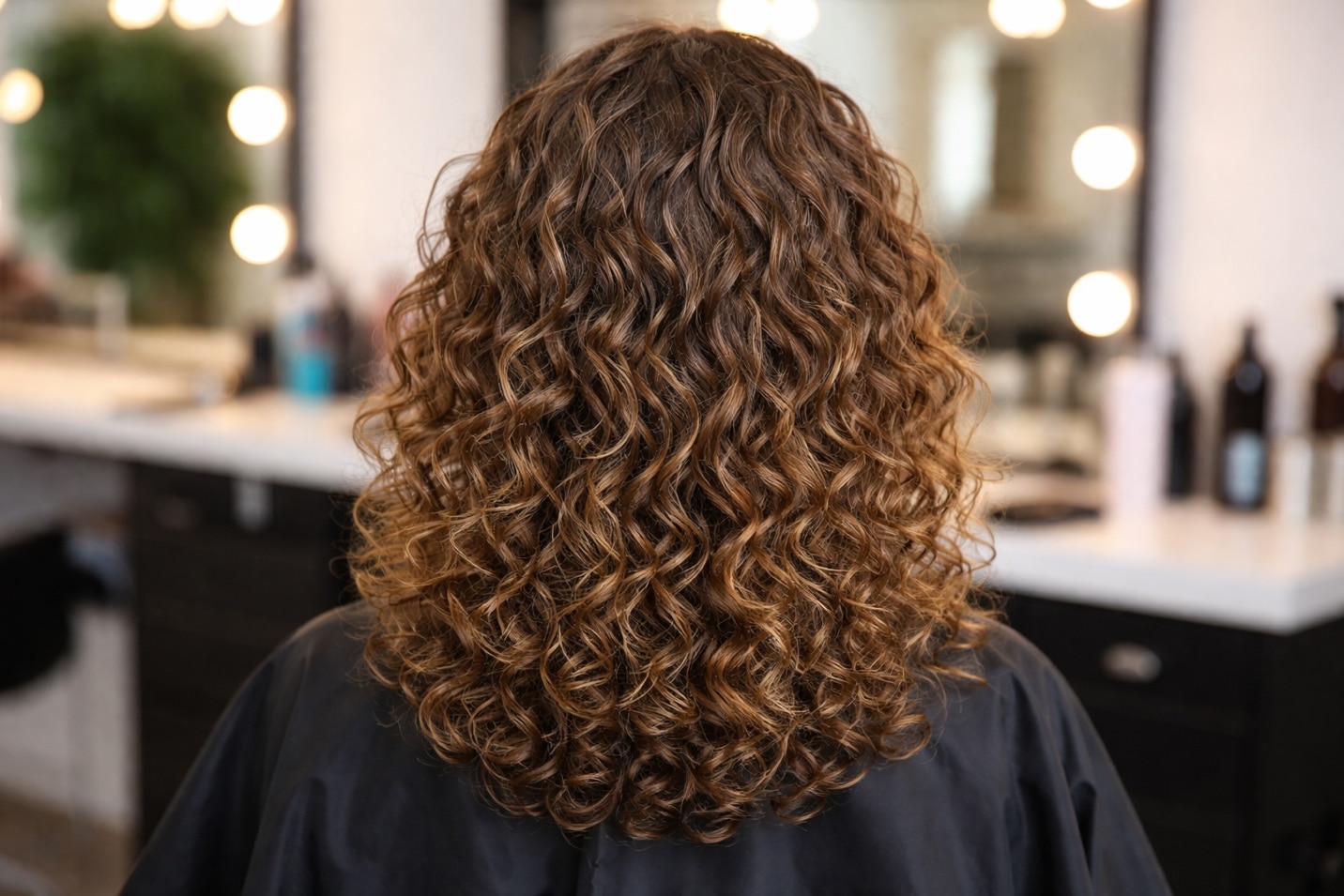
If you have curly hair, chances are you have already heard the term “Curly Girl Method” thrown around online, usually attached to a dramatic before-and-after photo. What gets left out of most of those posts is that the method is not a quick styling trick. It is a full reset of how curly hair is washed, treated, and styled, and it only works when it is understood properly rather than half-followed from a list of banned ingredients. As hair stylists, including those working as local hairdressers in Toowoomba who see curly clients every week, one of the most common things we hear is “I tried the Curly Girl Method and it didn’t work for me.” In almost every case, the issue was not the method itself. It was a misunderstanding of what it actually asks of your hair.
This guide breaks down what the Curly Girl Method really involves, the principles behind it, and where people tend to go wrong. It is written from the perspective of stylists who work hands-on with curly and coily hair daily, including specialists certified in the method, because the internet version of “CGM” often strips out the nuance that makes it effective. If you have ever asked a local hairdresser in Toowoomba or anywhere else about starting the method properly, this is the explanation we would give you in the chair.
Where the Curly Girl Method Actually Comes From
The Curly Girl Method was introduced by Lorraine Massey in her book Curly Girl: The Handbook, published back in 2001. Massey’s argument was simple: most curly hair had been trained, over years of brushing dry, using sulfate shampoos, and applying heat, to behave like it wanted to be straight. Her method was designed to undo that damage and let the hair’s natural curl pattern re-emerge.
At its core, the method removes three things from a curly hair routine: sulfates, silicones, and heat styling. In their place, it introduces gentler cleansing methods, curl-defining techniques, and air-drying or diffusing. It sounds simple on paper. In practice, it requires patience, because most curly hair needs weeks, not days, to show what it looks like without years of damage and product buildup working against it.
The Core Rules, Explained Properly
No sulfates. Sulfates are the foaming agents in most traditional shampoos. They clean effectively, but they also strip natural oils that curly hair relies on more than straight hair does, since oil has a harder time travelling down a curved hair shaft. Curly Girl Method routines swap sulfate shampoo for a low-poo (a gentle, sulfate-free cleanser) or a co-wash (cleansing with conditioner alone).
No silicones. Silicones coat the hair and create shine and smoothness in the short term, but they build up over time and can only be removed with sulfates, which creates a cycle the method is specifically trying to break. Ingredient labels ending in “-cone” or “-conol” are typically avoided unless they are water-soluble.
No heat. Blow dryers on high heat and flat irons disrupt the curl pattern and cause long-term damage. The method favours air-drying or diffusing on low heat, along with techniques like plopping, where damp hair is wrapped in a T-shirt or microfiber towel to encourage curl clumping while reducing frizz.
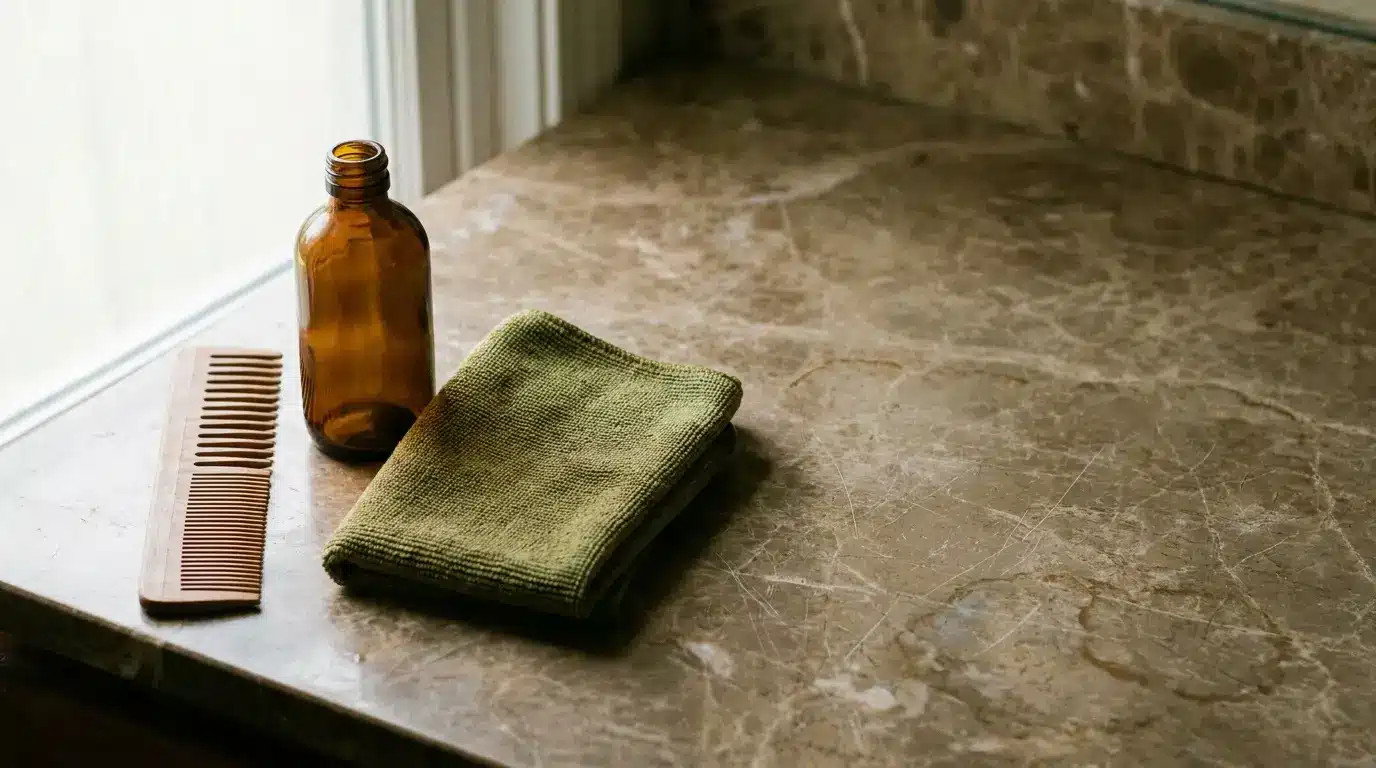
Scrunching, not brushing. Curly hair is detangled with fingers or a wide-tooth comb only while conditioner is still in the hair, never dry. Brushing dry curls breaks up the curl clumps and creates frizz rather than definition.
Clarifying occasionally. Even with silicone-free products, buildup from styling creams and gels can accumulate. Most curly hair still benefits from an occasional clarifying wash, something the original method underestimated and later editions of the book corrected.
Where Most People Go Wrong
The biggest mistake is treating the method as a strict, all-or-nothing checklist rather than a framework to be adapted. Curl patterns vary enormously, from loose waves to tight coils, and hair porosity varies just as much. A routine that works beautifully for one curl type can leave another feeling weighed down or, conversely, dry and frizzy.
The second mistake is expecting fast results. Hair that has been damaged by years of heat and sulfates does not snap back to its natural pattern overnight. Most people need six to twelve weeks of consistent method-following before they see their actual curl pattern, and during that adjustment period, hair can look worse before it looks better as it sheds old damage and product buildup.
The third mistake is skipping a proper curl-cutting technique. Curly hair behaves differently when it is cut wet versus dry, and a stylist trained specifically in cutting and shaping curls, rather than a generalist cut adapted for curls, makes a measurable difference in how a curly style falls and holds its shape.
Who Should Try It, and Who Should Adapt It
The method suits most naturally curly and coily hair types, particularly hair that has become frizzy, dry, or unpredictable from years of heat styling and harsh shampoos. It is not a one-size-fits-all solution, though. Very fine curly hair can feel weighed down by heavier CGM-approved products, and some low-porosity hair types do better with lighter routines than the strictest interpretations of the method suggest. This is where a stylist who actually understands curl science, rather than a generic online list, is worth the conversation. A specialist can assess your specific curl pattern, porosity, and damage history, and adapt the framework instead of applying it rigidly.
Getting Started Without Overwhelming Yourself
- Do a product audit. Check your shampoo, conditioner, and styling products for sulfates and non-water-soluble silicones. Replace only what needs replacing rather than buying an entirely new routine overnight.
- Start with a clarifying wash. This removes existing buildup so you are working from a clean slate.
- Learn to scrunch, not brush. Detangle only with conditioner in, using fingers or a wide-tooth comb.
- Air-dry or diffuse on low heat. Give your curls the chance to show their natural pattern without heat interference.
- Be patient through the transition period. Expect a few weeks of trial and error before your routine feels dialled in.
- Get a curl-specific cut. If it has been a while since your last trim, book with a stylist who cuts curly hair regularly rather than occasionally.
The Bottom Line
The Curly Girl Method is less a rulebook and more a set of principles for working with curly hair instead of against it. Sulfates, silicones, and heat are not villains in every hair story, but for most curly and coily hair, removing them and replacing brushing with gentler detangling makes a genuine difference over time. The people who get the best results are usually the ones who treat it as a starting framework to be personalised, ideally with guidance from a stylist who specialises in curls, rather than a strict set of rules to follow blindly from a blog post.