Finding the right suit often seems much easier than it actually is. You walk into a store, choose a color you like, find your size, and expect everything else to fall into place. Yet once the jacket is on and the trousers are buttoned, something feels slightly off. The shoulders may fit, but the sleeves seem too long. The jacket sits well across the chest but feels loose around the waist. The trousers fit comfortably until you start walking, when they suddenly feel too tight or too long.
These small issues explain why so many people feel that off-the-rack suits never look quite as polished as they expected. The problem is rarely the quality of the clothing itself. More often, it comes down to the simple fact that ready-made garments are designed to fit thousands of different body types rather than one individual.
The good news is that creating a sharper, more comfortable fit doesn’t always require a completely custom wardrobe. Understanding what affects fit, and knowing how to improve it, can make a significant difference.
Standard Sizes Are Built for Average Measurements, Not Individual Bodies
Ready-to-wear clothing follows standardized sizing systems developed around average body proportions. While that approach allows manufacturers to produce garments efficiently, very few people actually match those measurements perfectly.
One person may have broader shoulders, another longer arms, while someone else may have a narrower waist or more athletic legs. Even relatively small differences become noticeable in formal clothing because structured jackets and tailored trousers leave little room for variation.
When selecting clothing for weddings, church services, business events, or formal celebrations, many people visit https://designerchurchsuits.com/ to explore styles suited to different occasions and personal preferences. Starting with a style that matches the event provides a strong foundation, but proper fit remains the factor that ultimately determines how polished the final outfit appears.
Rather than expecting a perfect fit directly from the rack, experienced dressers focus first on choosing the best overall starting point.
Tailoring Often Makes the Biggest Difference
One of the most common misconceptions about formalwear is that a suit should fit perfectly the moment it leaves the store. In reality, even high-quality ready-to-wear garments are often intended to be adjusted.
Shortening sleeves, refining trouser length, taking in the jacket waist, or adjusting the seat of the trousers can completely change the appearance of an outfit. These alterations may seem minor individually, but together they create cleaner lines that make the clothing appear as though it was designed specifically for the wearer.
People with athletic builds often experience additional challenges because standard sizing usually assumes relatively balanced proportions. Broader shoulders, developed thighs, or a narrower waist can all make conventional sizing difficult to fit properly.
Some shoppers explore different brands designed around athletic proportions, including TailoredAthlete, before deciding which garments require the fewest alterations for their body type. Starting with clothing that more closely matches natural proportions often reduces both tailoring costs and fitting time.
Tailoring should not be viewed as correcting poor clothing. Instead, it is the final step that transforms good clothing into something that feels personal.
Every Part of the Outfit Affects the Final Look

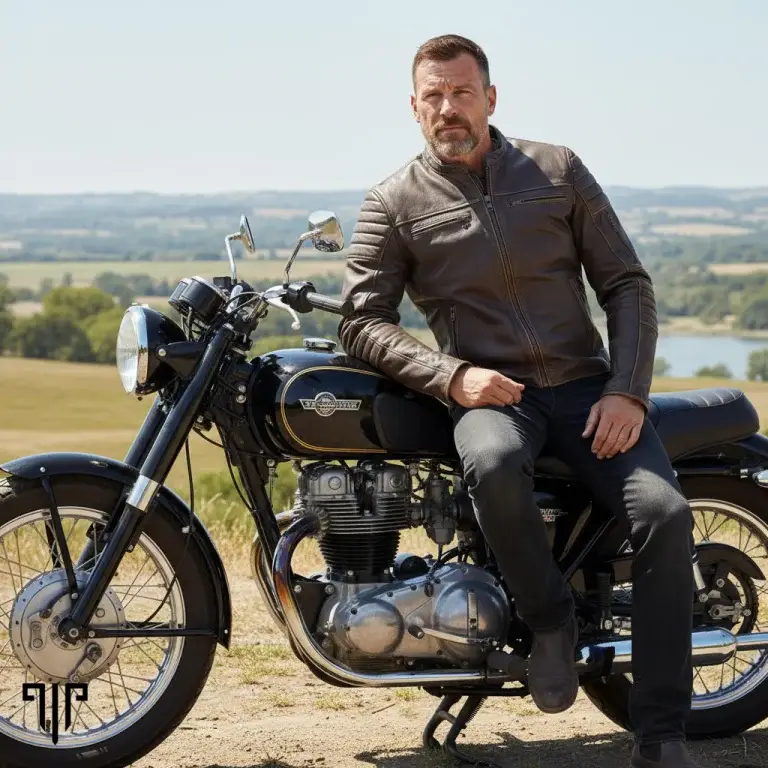
Photo by Aziz Acharki on Unsplash
Many people concentrate almost entirely on jacket size while overlooking how every other element contributes to the overall appearance.
Jacket shoulders establish structure. Sleeve length influences how shirt cuffs are displayed. Trouser length affects visual balance, while the jacket’s overall length changes body proportions from head to toe.
Accessories also deserve careful consideration. Shoes, belts, ties, pocket squares, and watches should complement the suit rather than competing with it. When every component works together, the outfit appears balanced and intentional instead of feeling assembled from unrelated pieces.
Looking polished is rarely about one exceptional item. It is the result of many smaller decisions working together.
Comfort Changes the Way Clothing Looks
Even a beautiful suit becomes difficult to appreciate if it constantly needs adjustment.
A jacket that pulls across the shoulders, sleeves that slide over the hands, trousers that restrict movement, or a collar that never sits comfortably all become distractions throughout the day. Instead of focusing on conversations or enjoying the event, attention shifts toward fixing clothing every few minutes.
Comfort influences posture as well. People naturally stand straighter, walk more confidently, and move more comfortably when clothing fits correctly. Those subtle differences are often what make someone appear effortlessly well dressed.
Rather than choosing the smallest size that can be buttoned or the largest size available for comfort, finding the correct balance allows clothing to perform exactly as intended.
Building a Wardrobe That Continues to Work for Years
One of the advantages of prioritizing fit over fashion is longevity. Classic suits with balanced proportions rarely become outdated because they are based on timeless tailoring rather than temporary trends.
Choosing versatile colors, quality fabrics, and simple styling allows garments to remain useful across many different occasions. As wardrobes develop over time, each carefully selected piece becomes easier to combine with the others, reducing the need for frequent replacement.
Instead of buying several suits that fit only reasonably well, many people eventually discover that owning fewer garments with excellent fit provides greater value in the long run.
The clothing itself may attract initial attention, but confidence usually comes from how naturally it fits. When a suit complements the person’s proportions instead of fighting against them, the result feels effortless. That is what separates clothing that simply fits from clothing that truly flatters the person wearing it.