According to the American Academy of Dermatology Association (AAD), it’s normal to shed between 50-100 strands of hair each day due to the natural hair growth cycle. So if you notice lots of hair falling on your brush, clothes, floor, etc., it may not be cause for concern.
However, you may have been stressed out lately, and you’ve noticed that your hair is falling out even more. Is this hair loss actually stress-related, and if so, what can you do to fix it?
Can Stress Really Cause Hair Loss?
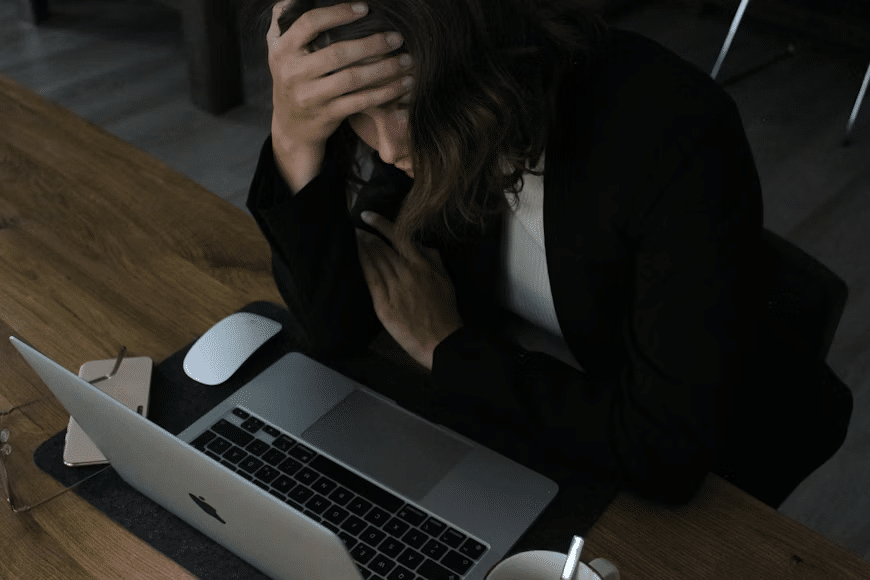
Yes, stress can definitely contribute to hair loss, but it’s typically in a specific and temporary way. For example, if you receive effective mental health treatment in Laurel Springs, NJ, then your hair loss should go away in due time.
The most common form of stress hair loss is telogen effluvium, where a significant stressor (either physical or emotional) pushes more hair follicles than usual into the rest phase (telogen phase). Triggers can include:
- Illness
- Surgery
- Rapid weight loss
- Emotional distress
- Major life changes
What Is Telogen Effluvium and How Does It Work?
We’ve briefly gone over telogen effluvium in the previous section; it’s a form of diffuse hair shedding that happens when stress disrupts the normal hair growth cycle.
Normally, most of your hair is actively growing, and only a small percentage rests. But with telogen effluvium, a larger portion of your hair prematurely shifts into the resting phase. The result is that after a few months, those hairs shed all at once, usually when you wash or brush your hair.
While the hair loss can be alarming, rest assured that it’s not permanent hair loss. The follicles remain intact, which means that they’re capable of producing new hair. This also means that telogen effluvium is reversible, as it doesn’t cause scarring or follicle damage.
The key is to identify the underlying stressor while also supporting healthy regrowth.
What Timeline Should You Expect?
The biggest shock that comes with stress-related hair loss is the delay. You may experience a triggering event but not experience hair loss until 2-3 months afterward; it doesn’t happen immediately.
On top of that, the shedding phase can last anywhere from a few weeks to several months, depending on whether the stressor is still active. Once the underlying cause is addressed, your hair follicles gradually return to the growth phase. This usually starts within 3-6 months, but for noticeable improvement in volume, this can take 6-12 months or longer.
Remember that hair grows slowly, so patience is essential. If you notice short “baby hairs” along your hairline, then this is the first visible sign of recovery.
What Does Regrowth Realistically Look Like?
As we’ve just said, regrowth is slow, and it’s also sometimes uneven. Initially, you’ll see fine and wispy hairs that differ in texture from your original hair. They may be harder to style, and they may stick up or feel thinner.
As the growth cycle stabilizes, hair thickness and density will improve. However, do note that full restoration to your previous volume can take a year or more. It’s also normal for shedding to fluctuate slightly during recovery.
Plus, regrowth will depend on:
- Overall health
- Age
- Whether the stressor has been fully resolved
Evidence-Based Hair and Scalp Care Strategies
Supporting your scalp and hair during recovery can make a huge difference. For example, gentle cleansing with a mild shampoo can help maintain a healthy scalp environment, and it won’t cause additional breakage, either. Regular, gentle massage can also help improve circulation and support follicle function.
You should avoid the following, which can stress fragile regrowing hair:
- Harsh treatments
- Tight hairstyles
- Excessive heat styling
Some people benefit from clinically supported treatments like minoxidil, but it’s best used under medical guidance.
The Role of Nutrition and Stress Reduction

Hair health is closely tied to your overall wellness. Nutritional deficiencies can worsen shedding or delay regrowth. A balanced diet that’s rich in whole foods can support the hair growth cycle.
It’s also important to manage ongoing stress; chronic stress can prolong hair loss or trigger repeated cycles. You can help regulate stress levels with:
- Regular exercise
- Adequate sleep
- Mindfulness practices
When It Might Be Something Else
Telogen effluvium is just one source of hair loss. Other conditions (such as trichotillomania, a hair-pulling disorder) require a different approach, such as behavioral therapy.
If you have any of these symptoms, then it may indicate other medical conditions, such as alopecia areata or scalp disorders:
- Patchy hair loss
- Scarring
- Itching
- Redness
In addition, if the shedding goes beyond 6-9 months, worsens significantly, or is accompanied by other symptoms, you should see a dermatologist. They can rule out underlying issues, like thyroid imbalance or nutrient deficiencies.
Treat Your Hair Loss Correctly
As you can see, stress can definitely cause hair loss. However, there are other conditions that may cause your hair to fall out, so if you’re concerned, it’s best to consult with a medical professional to find the root cause and the optimal solution.
Read our other pages if you want to keep learning.