The beauty industry has undergone a major transformation in recent years. Professional treatments that were once available almost exclusively in clinics and aesthetic centers are increasingly inspiring at-home skincare technologies. Consumers are no longer interested only in creams and serums; many are looking for devices and application methods that can make their routines feel more targeted and sophisticated. Micro infusion and microneedling are among the technologies receiving considerable attention because they combine mechanical skin stimulation with the application of carefully selected skincare formulas.
One reason these techniques have become so popular is that they offer a different approach to traditional topical skincare. Instead of simply applying a serum to the surface of the skin, micro-infusion systems are designed to create very small, controlled contact points while distributing a cosmetic solution across the treatment area. As interest in this category grows, brands such as Mon Lumiere have become part of the broader conversation surrounding modern at-home skincare devices and routines. The appeal lies in combining technology, consistency, and carefully planned skincare into one routine that can be performed without scheduling frequent professional appointments.
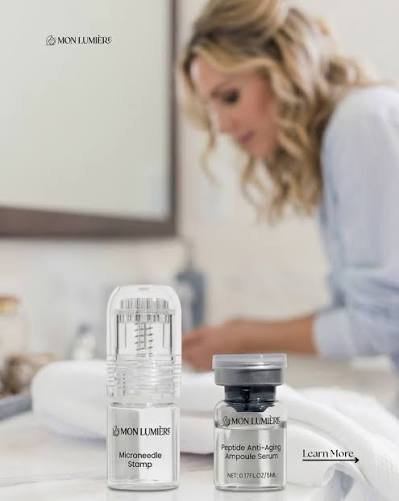
Understanding Micro Infusion
Micro infusion generally refers to a skincare technique in which very fine needles or microchannels are combined with a serum or cosmetic solution. Depending on the device, the system may allow the formula to be distributed across the skin while the tiny needles make controlled contact with the surface.
The idea is not simply to use needles for their own sake. Instead, the treatment is designed around a combination of physical stimulation and skincare application.
This approach has attracted attention among people looking to improve the appearance of common concerns such as uneven texture, dull-looking skin, fine lines, and a lack of radiance.
It is important, however, to distinguish cosmetic at-home micro-infusion devices from professional medical microneedling treatments. Professional procedures may use different needle depths, equipment, protocols, and treatment intensities. At-home systems are generally designed to be less aggressive and easier to incorporate into a personal skincare routine.
How Microneedling Fits Into Modern Skincare
Microneedling is based on the use of extremely small needles that create controlled microchannels in the skin. Professional microneedling has been used in aesthetic settings for years, while gentler consumer devices have made the concept familiar to a much wider audience.
The attraction is easy to understand. Many skincare users reach a point where simply adding another moisturizer or serum does not feel particularly innovative. A device-based routine provides a more active experience and may help users feel that they are approaching skincare in a structured way.
At the same time, more technology does not automatically mean better results. Correct technique, hygiene, appropriate frequency, and realistic expectations remain essential.
Why At-Home Treatments Are Growing
Convenience is one of the strongest factors behind the growth of home skincare technology.
Professional aesthetic appointments require time, travel, planning, and financial commitment. An at-home device gives users more control over when they perform their routine.
Privacy is another advantage. Some people simply prefer performing beauty treatments in their own environment rather than visiting a clinic regularly.
There is also a growing desire for long-term skincare routines instead of occasional intensive treatments. Consumers increasingly understand that visible improvements in the appearance of the skin usually come from consistency rather than a single session.
Micro-infusion devices fit naturally into this mindset because they can become part of a scheduled routine rather than a one-time experience.
The Role of Skincare Formulas
The solution used alongside a micro-infusion treatment deserves just as much attention as the device itself.
People often assume that any favorite serum can be used during a needling procedure, but that is not necessarily appropriate. Products designed for ordinary topical application may contain fragrances, acids, retinoids, essential oils, or other ingredients that are not intended for use with a microchanneling device.
This is why users should follow the manufacturer’s instructions and use only formulas considered suitable for the particular system.
Hydrating ingredients are especially popular in post-treatment skincare because the skin may temporarily feel dry or sensitive. Gentle formulations and uncomplicated routines are usually preferable immediately after treatment.
What Users Can Expect
One of the biggest mistakes people make with advanced skincare devices is expecting an immediate dramatic transformation.
Some changes may appear quickly, particularly temporary improvements in hydration or the appearance of radiance. Other goals, such as improving the appearance of texture or fine lines, generally require consistent use over time.
Skin also varies greatly from one person to another. Age, sun exposure, existing skincare habits, sensitivity, hydration levels, and lifestyle can all influence how skin responds.
Photographs taken under similar lighting conditions can be useful for tracking changes more objectively.
Safety and Hygiene Matter
Any skincare device that makes repeated contact with the skin requires careful hygiene.
Hands should be thoroughly cleaned before beginning, and the treatment area should be properly cleansed. The device should be used according to its instructions, and components intended for single use should not be repeatedly reused.
Users should also avoid treating irritated, damaged, infected, or severely inflamed skin.
Pressure is another important consideration. More pressure does not necessarily improve the treatment. Using a device aggressively can increase discomfort and irritation without providing additional benefits.
After treatment, gentle skincare and sun protection become especially important.
Micro Infusion Versus Traditional Skincare
Traditional skincare remains fundamental. Cleansing, moisturizing, sun protection, and well-formulated active ingredients form the foundation of almost every effective routine.
Micro infusion should therefore be viewed as an additional technique rather than a replacement for basic skincare.
A sophisticated device cannot compensate for inconsistent sunscreen use, poor cleansing habits, or excessive application of irritating ingredients.
The most successful routines are usually the ones in which technology supports the fundamentals rather than competing with them.
A More Personalized Future for Beauty
The popularity of micro infusion and microneedling reflects a broader shift in the beauty industry. Consumers want more control, more information, and increasingly personalized routines.
Instead of following a generic three-step regimen, people are selecting products and tools according to specific concerns such as texture, hydration, fine lines, uneven tone, or dullness.
At-home beauty technology is likely to continue developing as devices become easier to use and consumers become better educated about skincare.
The key is to approach these technologies thoughtfully. Effective skincare rarely comes from chasing every new trend. It comes from understanding what the skin needs, selecting appropriate tools, following instructions carefully, and remaining consistent.
Micro infusion and microneedling may represent a more technologically advanced generation of home skincare, but the principles behind good results remain familiar: patience, appropriate care, hygiene, and realistic expectations.