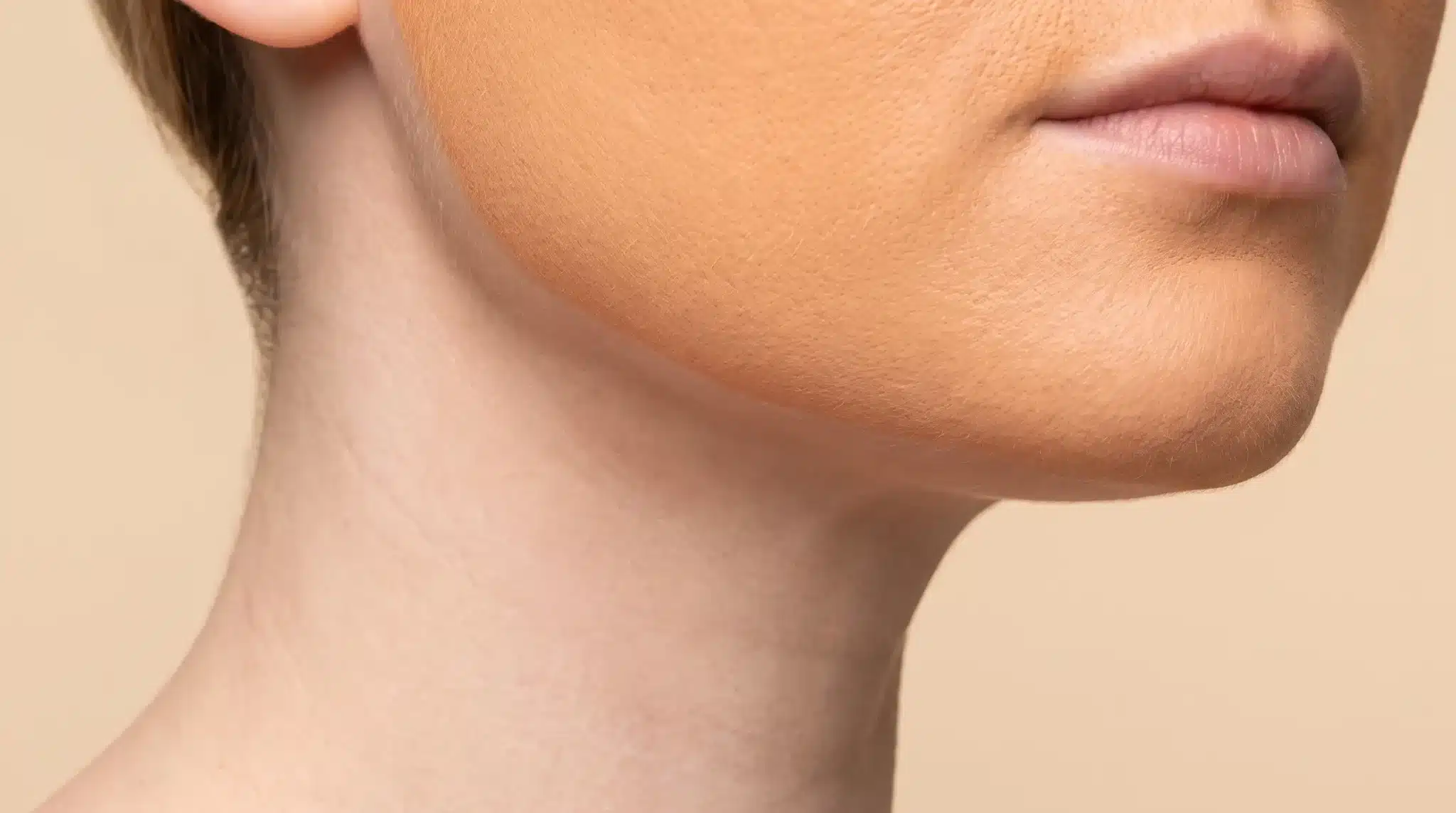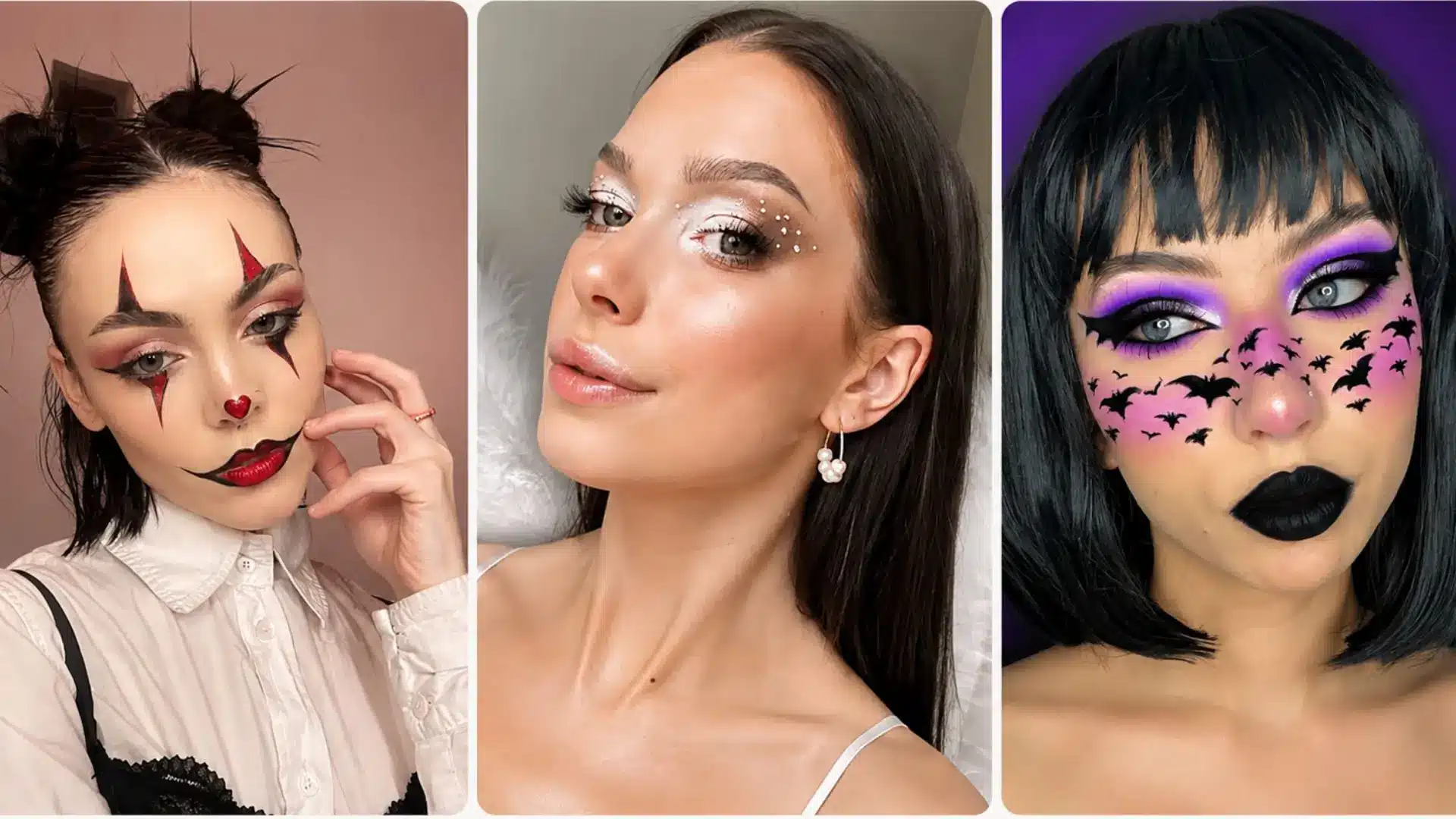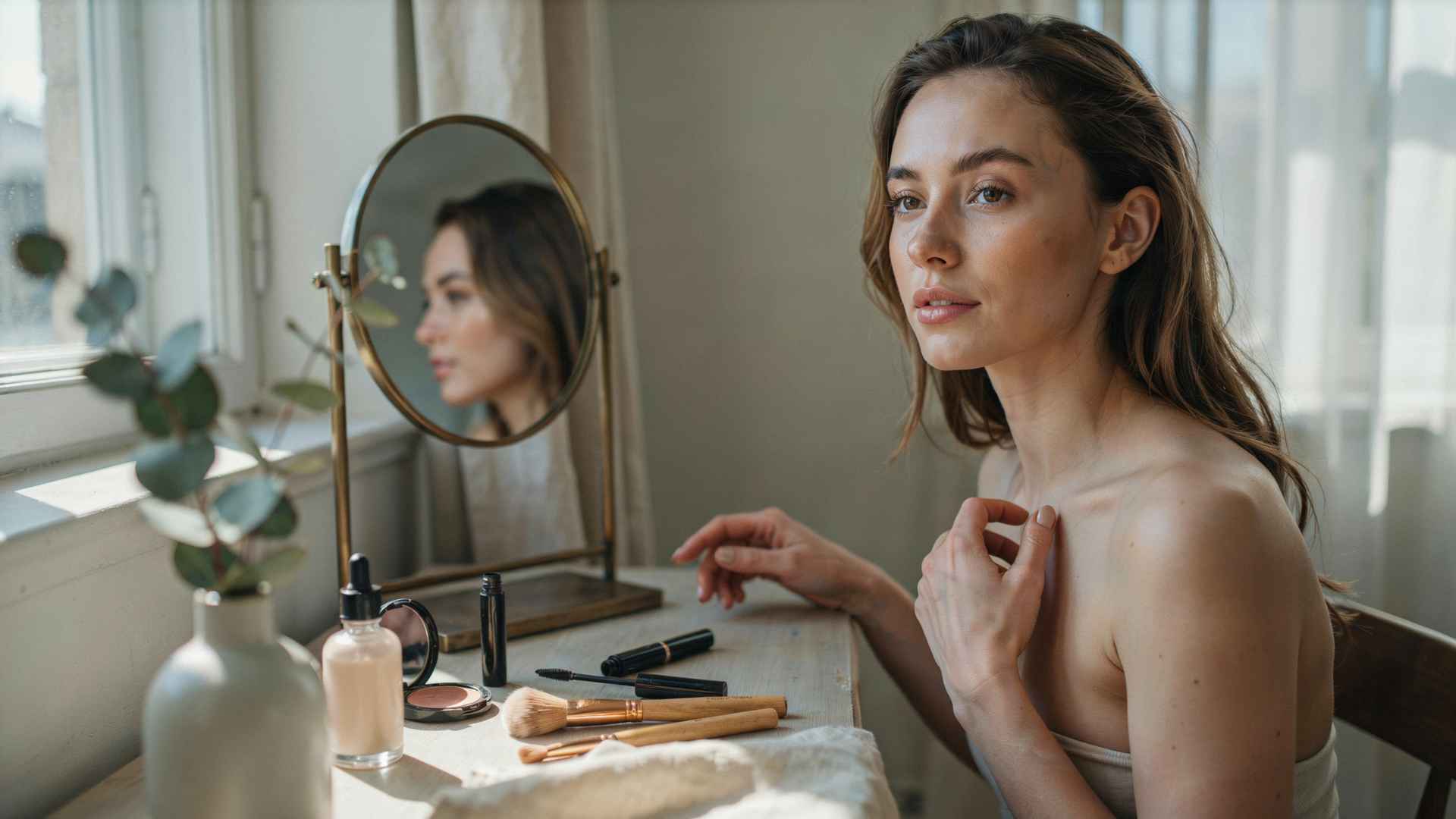
Some mornings, you want makeup that makes you look rested and polished without hiding your freckles, skin texture, or natural features. That is the appeal of natural makeup looks.
The right base evens out redness without masking your skin, while soft blush, brushed brows, subtle mascara, and a tinted lip add just enough definition.
The result should look fresh rather than heavily made up.
Learning how to do natural makeup is less about owning dozens of products and more about choosing lightweight formulas, applying thin layers, and knowing where your face actually needs coverage.
Below, you will find a simple step-by-step routine, product tips, skin-type adjustments, and cute natural makeup looks for work, weekends, evenings, and busy mornings.
What is a Natural Makeup Look?
A natural makeup look sits between bare skin and full glam. It focuses on lightweight coverage, soft color, and subtle definition so your features look enhanced rather than painted on.
It’s often called the “no-makeup makeup” style because the goal is to look like your skin, just on a good day.
This approach has grown popular for a simple reason: beauty trends have shifted toward authenticity. Texture, freckles, and natural lip tone are now treated as features worth showing off, not flaws to cover.
| Step | What to Use | Purpose |
|---|---|---|
| Prep Your Skin | Moisturizer and sunscreen | Creates a smooth base and helps makeup blend naturally |
| Even Out Complexion | Tinted moisturizer, BB cream, or light foundation | Adds soft coverage while letting your skin texture show through |
| Add Natural Color | Cream blush and subtle bronzer | Brings warmth and a healthy-looking glow to your face |
| Define Features | Brow gel, soft eyeliner, and mascara | Enhances your eyes and brows without creating a heavy look |
| Add a Soft Lip Tint | Tinted balm or nude lipstick | Gives lips a fresh touch of color while keeping the look effortless |
| Finish the Look | Lightweight setting spray or fine powder | Helps makeup last while maintaining a skin-like finish |
A natural look works for office days, brunch, errands, and even dressed-up occasions when paired with a little extra definition.
Tools and Application Method
The tool you use matters almost as much as the product itself. Clean fingers work well for warming and pressing cream products into the skin, while brushes and damp sponges provide more control over coverage and blending.
Whatever tool you choose, keep it clean to avoid transferring oil, old product, and bacteria onto your skin.
Brushes and sponges give you more control over how sheer or built-up your coverage looks.
| Step | Best Tool | Why |
|---|---|---|
| Base (tinted moisturizer, skin tint) | Damp makeup sponge | Sheers out the product for a skin-like finish |
| Concealer | Small, tapered concealer brush | Places the product precisely without disturbing the base |
| Cream blush or bronzer | Duo-fiber or fluffy brush | Blends edges so color melts into skin |
| Setting powder | Fluffy powder brush | Deposits a light layer instead of a heavy cast |
| Brows | Spoolie brush | Lifts hair and blends gel without stiffness |
Pro tip: Choose a duo-fiber brush for versatility to blend foundation, cream blush, and bronzer for a natural finish.
Using the right tools helps natural makeup blend seamlessly and prevents a heavy finish. Simple application changes can make products look smoother, softer, and more skin-like.
How to Do Natural Makeup
A natural makeup look focuses on enhancing your features with lightweight products, soft blending, and a fresh finish. These simple steps help create a polished appearance without feeling heavy or overdone.
Step 1: Prep and Prime Your Skin
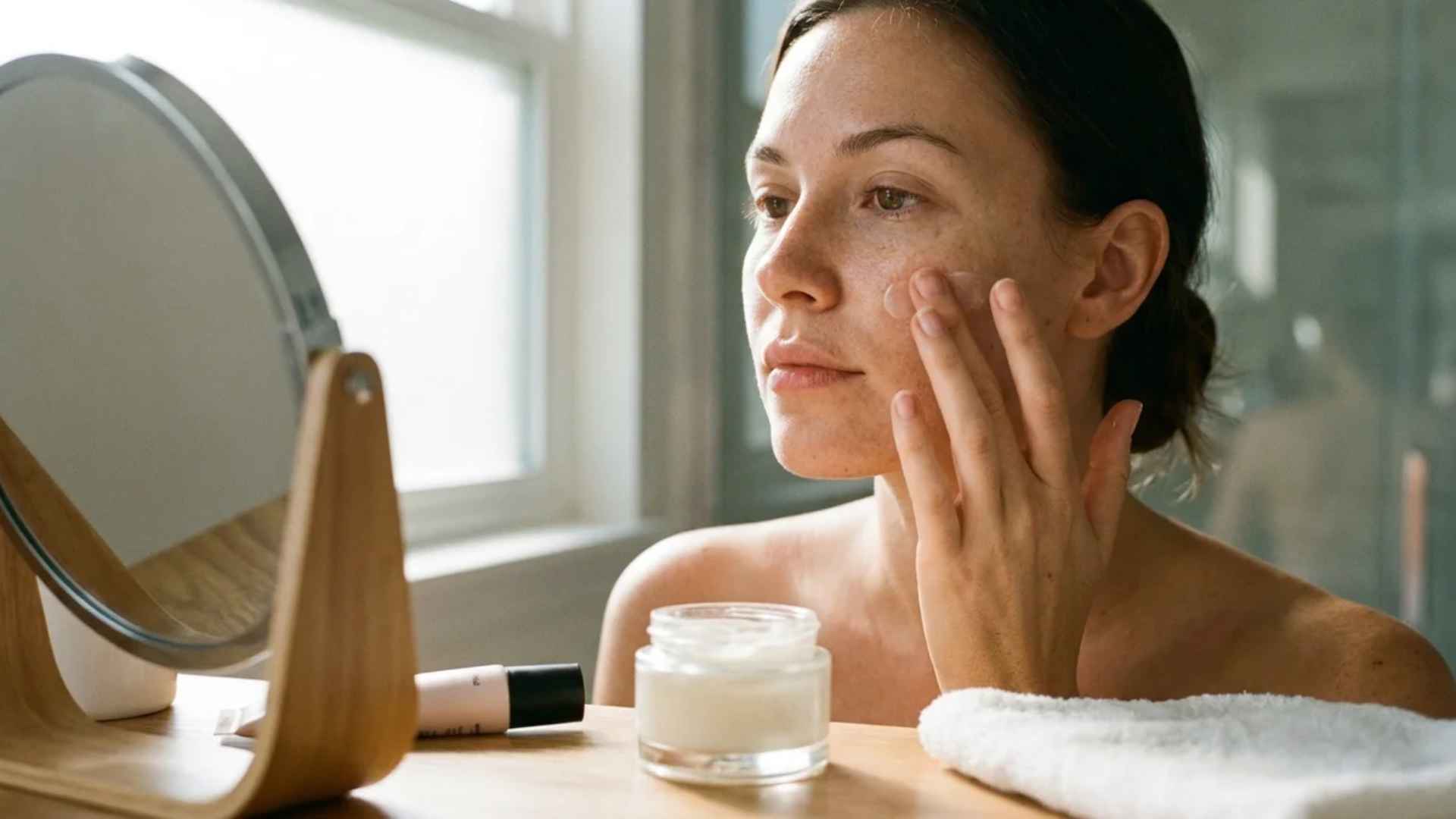
Start with a clean face, then apply a lightweight moisturizer suited to your skin type. Follow with a primer that targets your main concern, whether that’s shine control, hydration, or fine-line smoothing.
This step creates the smooth canvas that makes every product after it look more natural and blend more easily.
Step 2: Apply a Lightweight Base and Spot Conceal
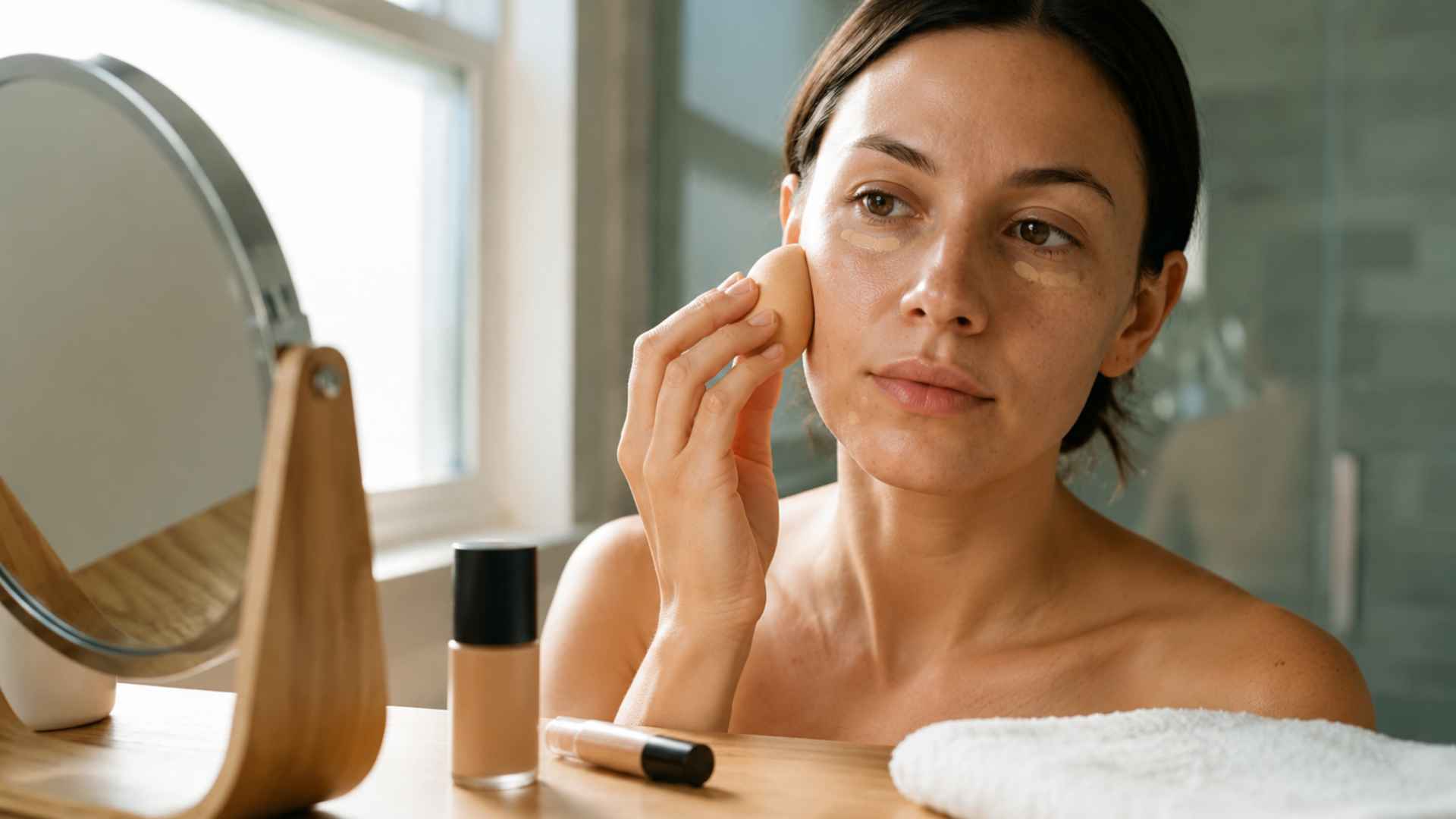
Swap heavy foundation for a tinted moisturizer, skin tint, or sheer-coverage foundation applied with a damp sponge.
Build coverage only where needed, not everywhere. Use concealer sparingly, focused on dark circles or blemishes, in a shade that matches your skin rather than one shade lighter.
Step 3: Add Cream Blush and Bronzer
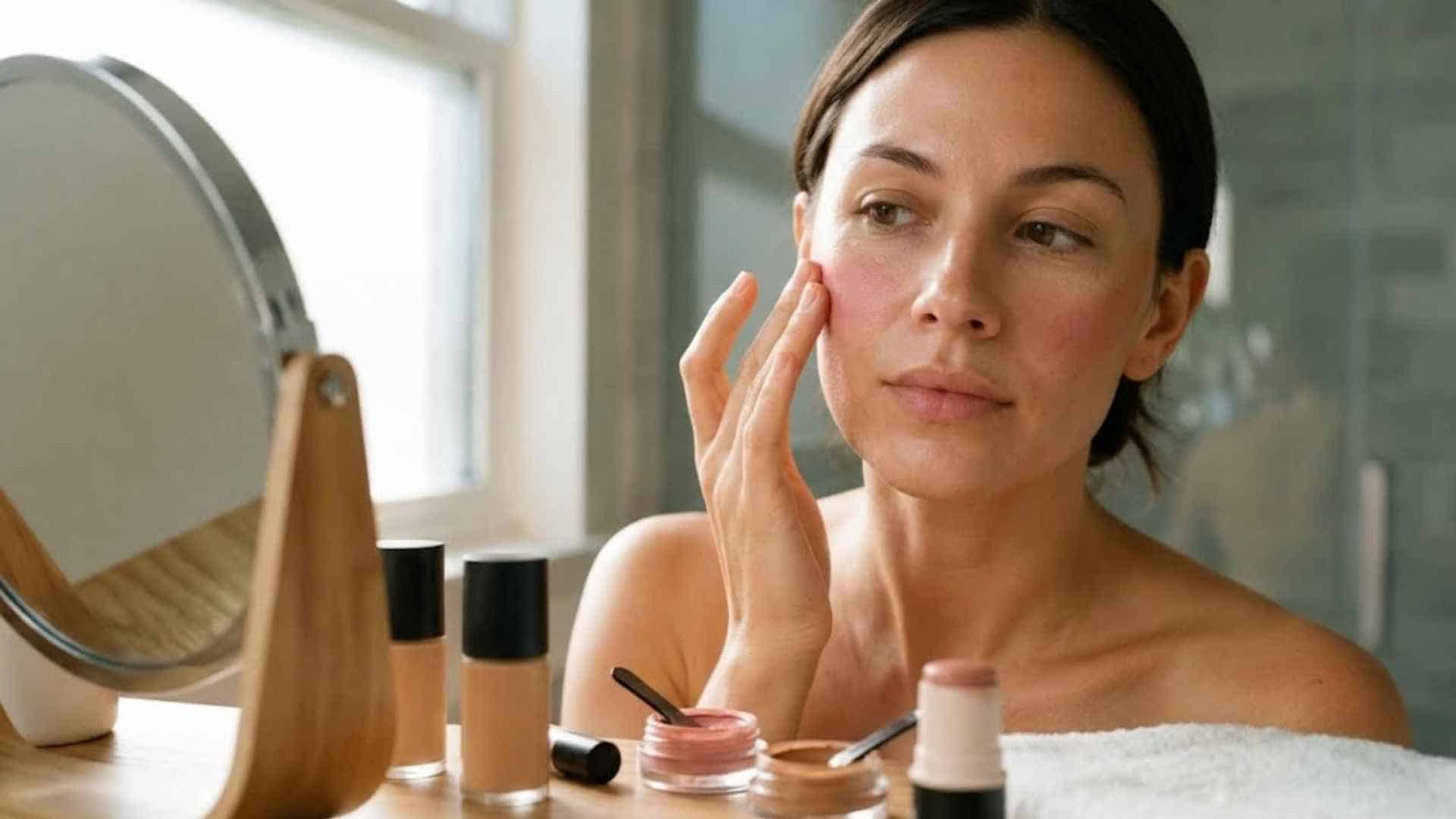
Dab cream blush onto the apples of your cheeks and blend upward toward your hairline for a healthy flush.
Add a touch of cream bronzer along the forehead, cheekbones, and jawline for warmth. Cream formulas blend into the skin more seamlessly than powder formulas, keeping the finish looking soft and dewy.
Step 4: Define Brows and Eyes Softly
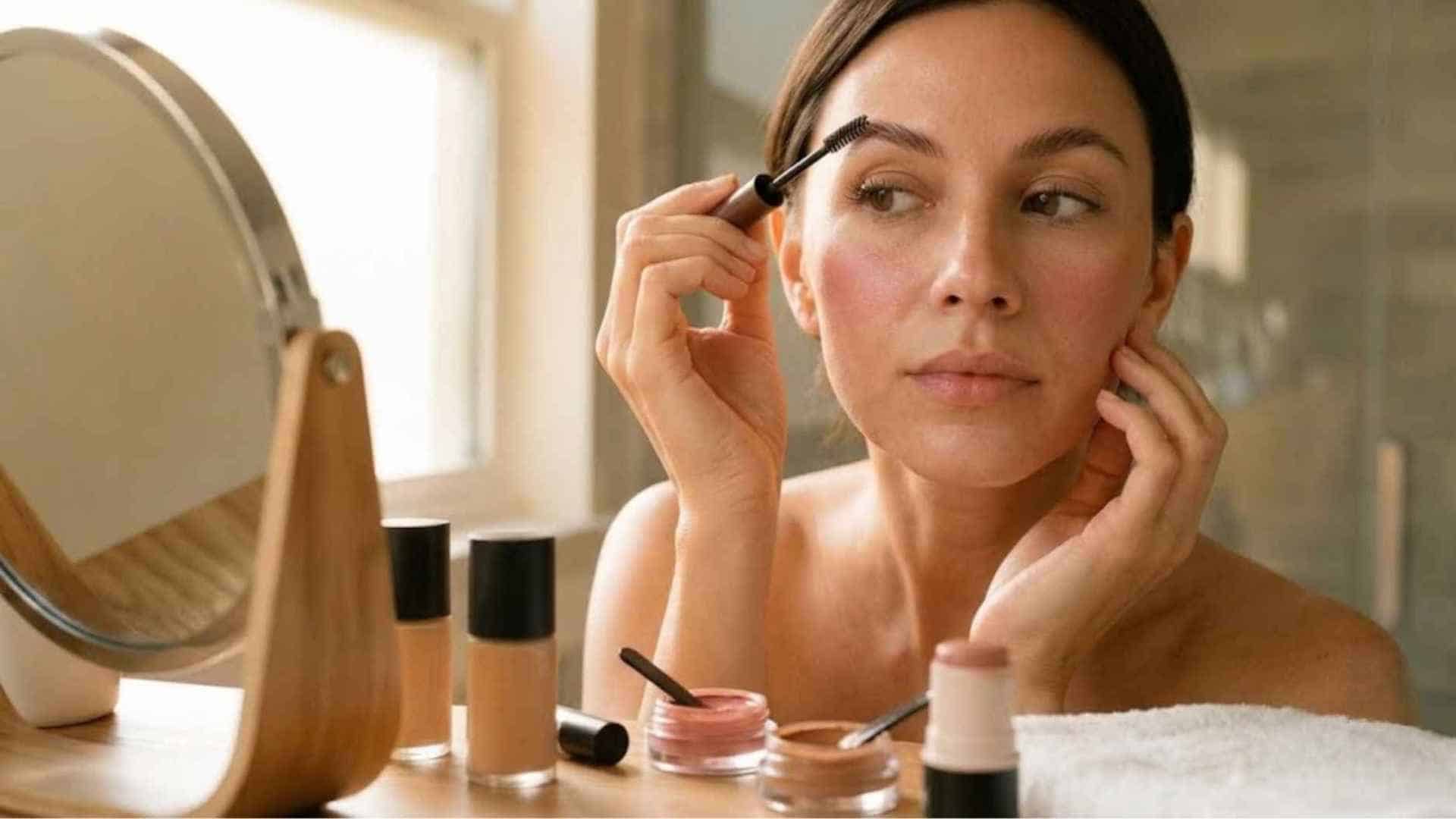
Brush brows into place with a tinted brow gel, filling sparse spots with light, feathery strokes rather than a hard line.
On the eyes, sweep a neutral shadow in a champagne or soft brown shade across the lid, then finish with one or two coats of mascara to open up your eyes.
Step 5: Finish Lips and Set Your Look
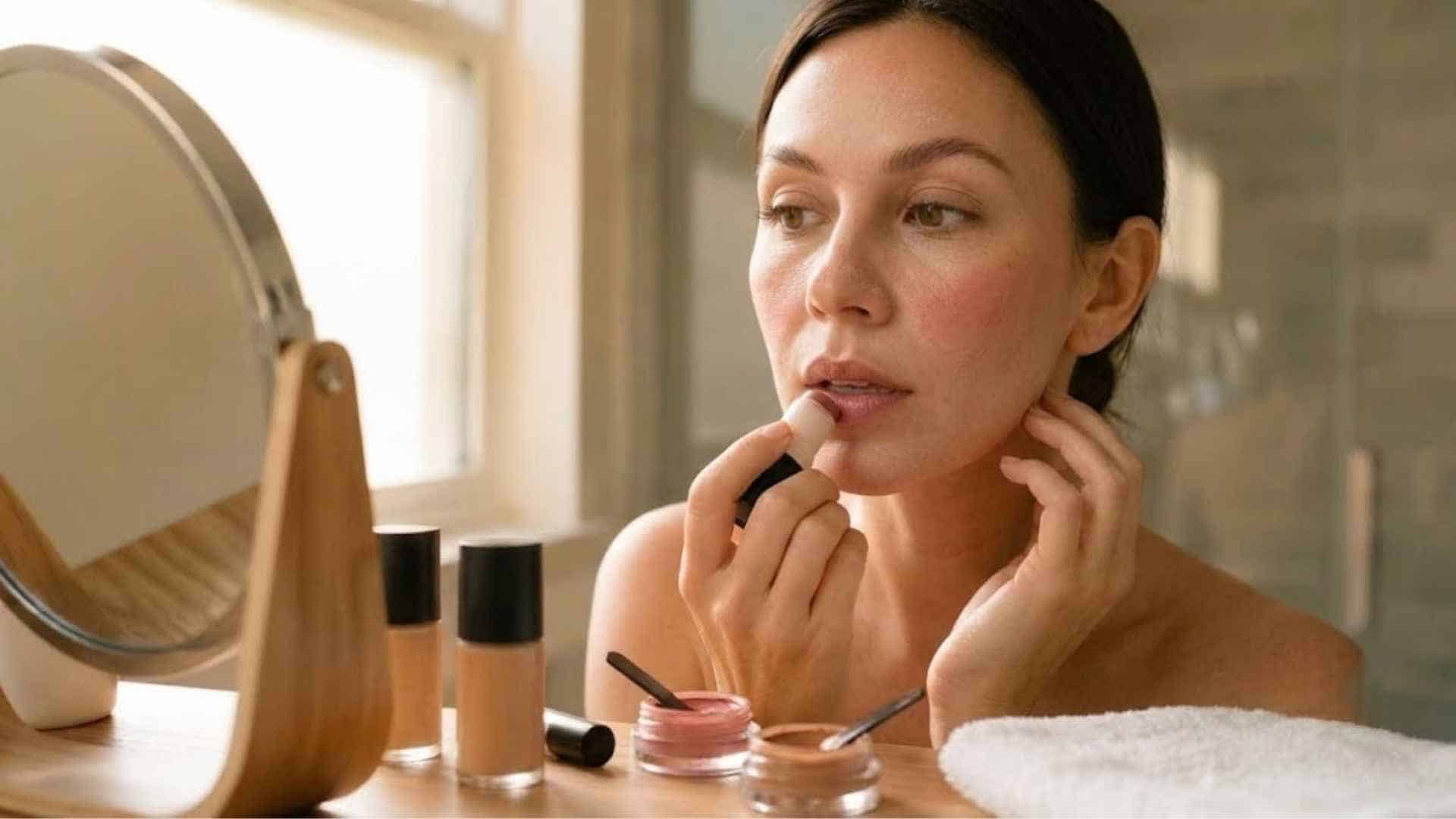
Add a tinted lip balm or gloss in a shade close to your natural lip color for a soft, healthy finish.
Set only the areas that tend to get oily, like the T-zone, with a light layer of powder; skip full-face powder to keep the skin-like texture intact.
Check your makeup in natural light and blend any harsh edges with a clean sponge or brush for a seamless finish.
Step 6: Set and Check Your Finish
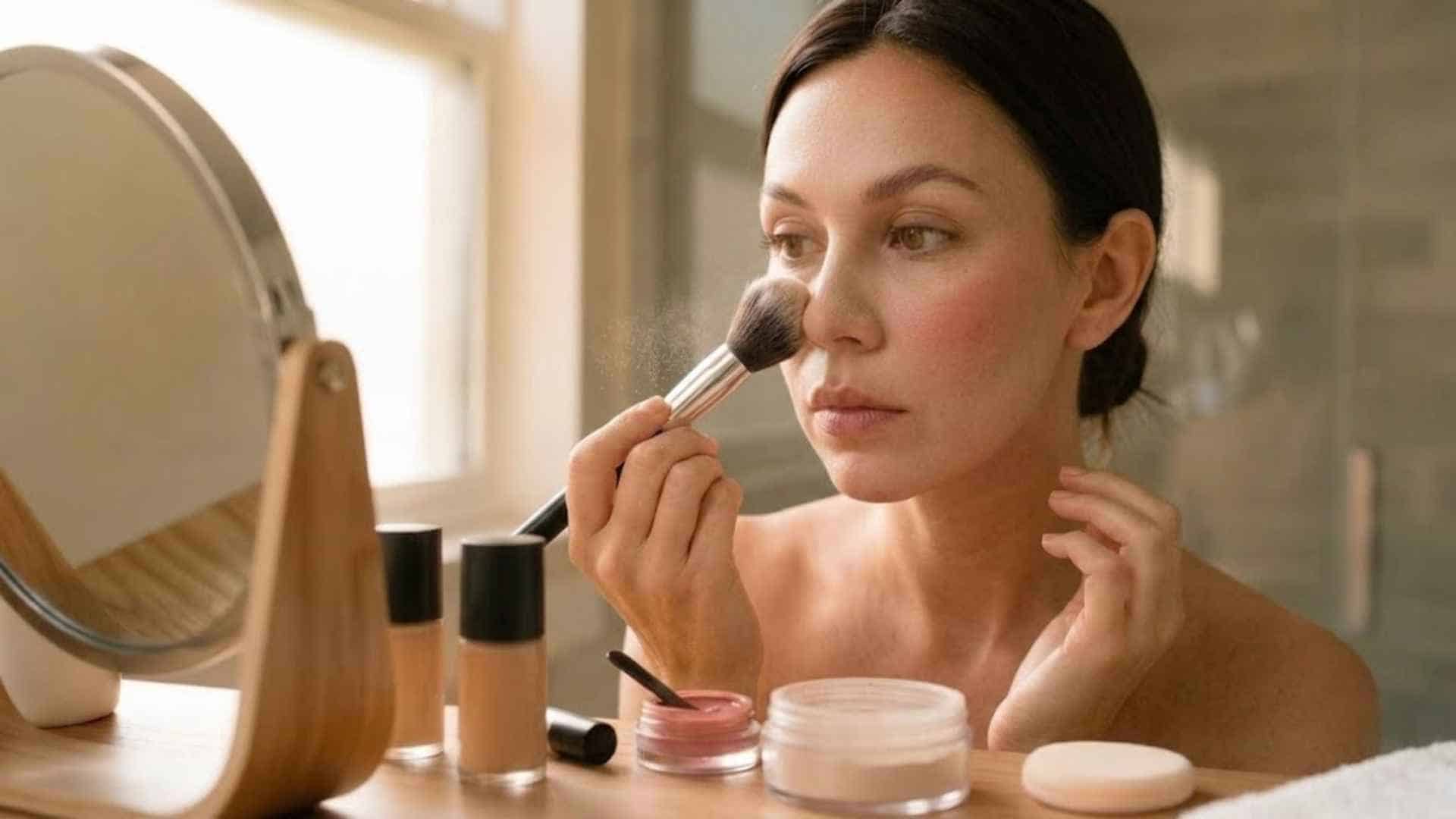
Set only areas that tend to get oily, like the T-zone, with a light layer of powder. Avoid covering the entire face to maintain a natural skin texture.
Check your makeup in natural light and blend any harsh edges with a clean sponge or brush for a seamless finish.
Creating a natural makeup look is about balance, not perfection. By using minimal products and focusing on your skin’s texture, you can achieve a fresh, effortless finish that lasts.
Cute Natural Makeup Looks for Occasions
Different occasions call for subtle makeup changes. These natural looks help you adjust your routine while keeping a fresh, effortless finish.
- Everyday office look: Skin tint, cream blush, filled brows, mascara, and tinted lip balm
- Natural glam for evenings: Add a soft brown eyeliner and a slightly deeper lip tint for extra polish
- Sunkissed look: Layer cream bronzer and a warm-toned blush for a beachy glow
- Five-minute version: BB cream, brow gel, mascara, and lip gloss for busy mornings
Whether simple or polished, these makeup ideas enhance your features naturally. Choose products and techniques that match your style and occasion.
Natural Makeup Looks to Try
Natural makeup does not have to look the same every time. Small changes in color, finish, and product choice can create different styles while keeping your skin looking fresh and effortless.
1. Fresh No Makeup Makeup Look

This everyday style focuses on creating a healthy skin finish with minimal products. Use a light skin tint, cream blush, brushed brows, and a tinted lip balm to enhance your features without adding heavy coverage.
2. Soft Glowy Makeup Look
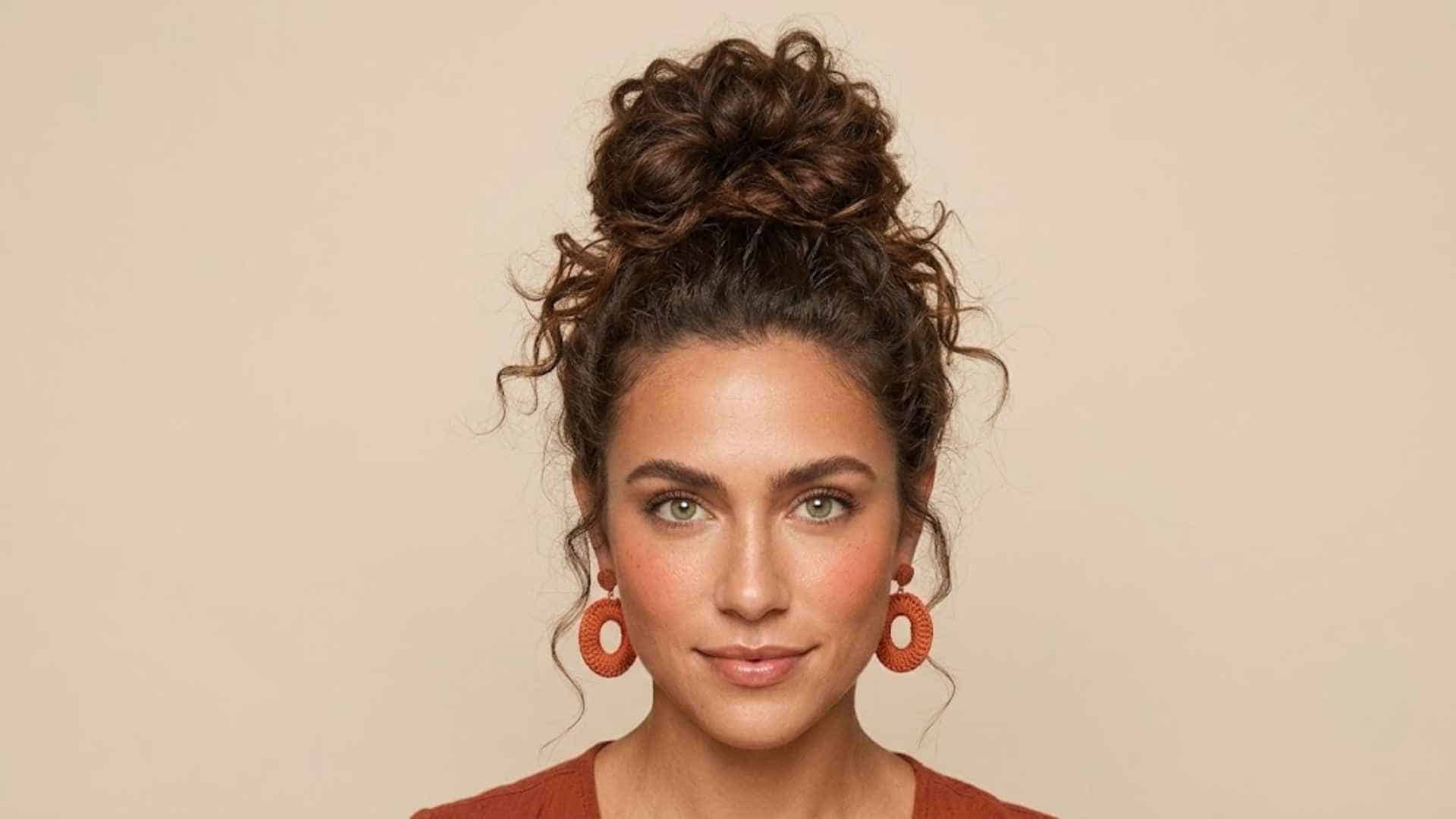
For a dewy finish, focus on hydration and cream-based products. A luminous base, soft highlighter on the high points of your face, and a peachy blush can create a natural glow that looks fresh and radiant.
3. Natural Brown Makeup Look
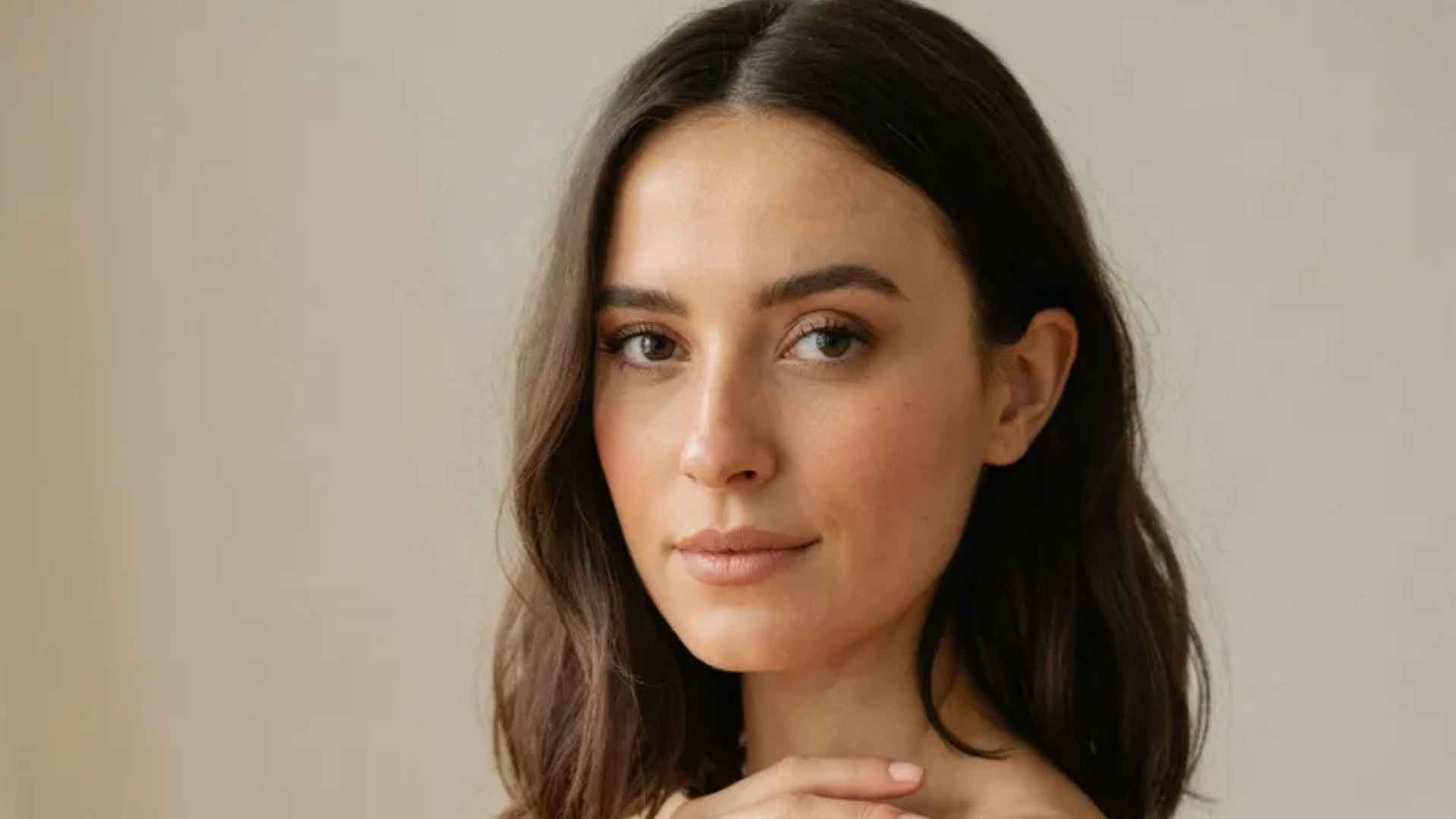
Warm brown shades add gentle definition while keeping the look subtle. Try a soft brown eyeshadow, lightly defined lashes, and a nude lip color for a polished style that works well for both daytime and evening.
4. Clean Girl Makeup Look

This minimal style pairs a fresh base with groomed brows, rosy cheeks, and glossy lips. The goal is a neat, effortless appearance that looks polished while still letting your natural features stand out.
5. Soft Natural Glam Look
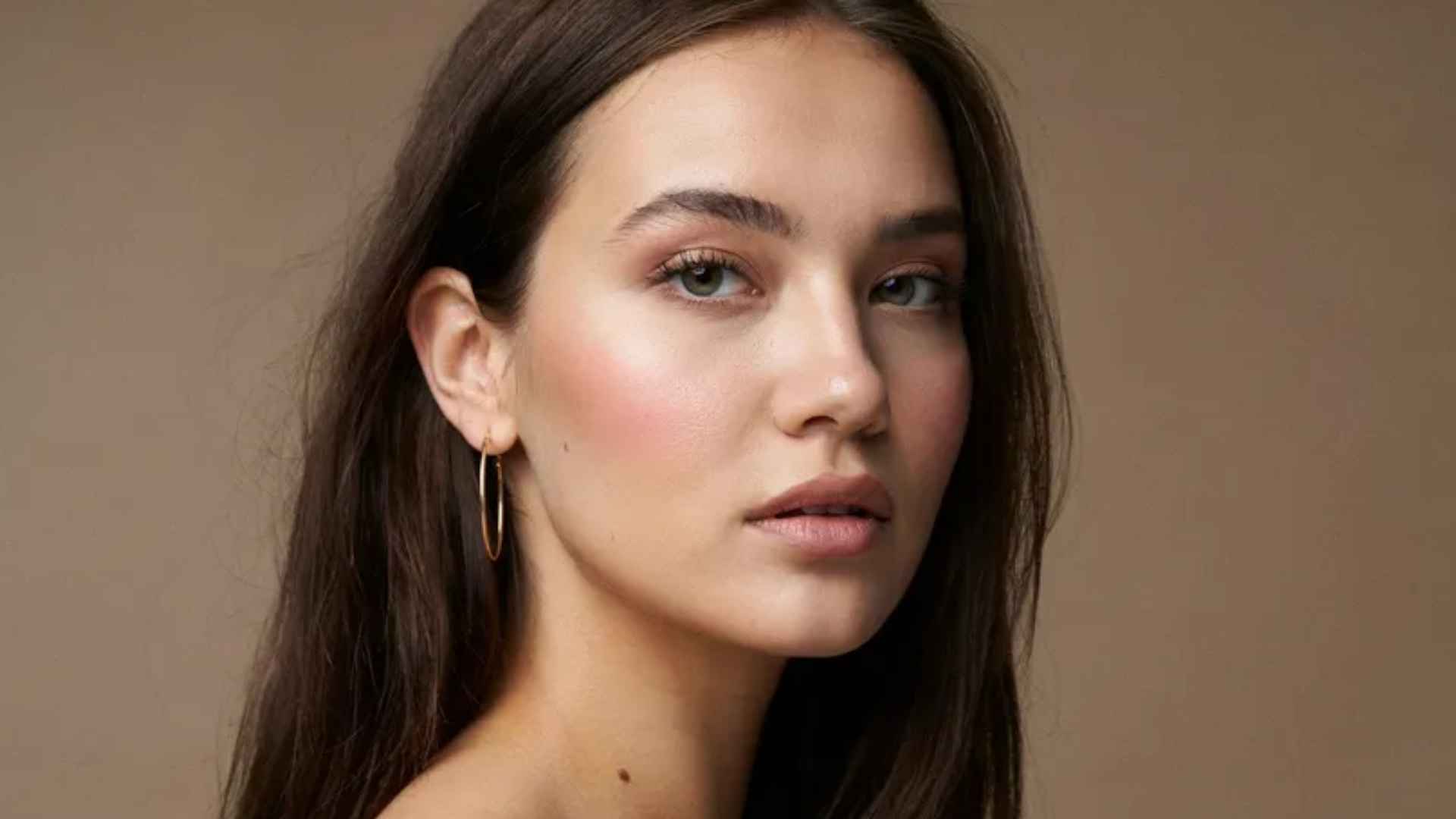
When you want a little more definition, add a slightly fuller lash, a deeper blush shade, and a neutral lip color. This keeps the makeup elegant and refined without moving into a full glam finish.
Whether you prefer a fresh everyday style or a soft glam finish, these natural makeup looks make it easy to enhance your features while keeping your skin looking effortless and comfortable.
Best Product Types for Natural Makeup Looks
Choosing the right product category matters more than chasing a specific brand. Here’s what to look for in each step of your routine.
| Category | Best Formula Type |
|---|---|
| Base | Tinted moisturizer, skin tint, or sheer foundation |
| Concealer | Lightweight, natural-finish, buildable coverage |
| Cheeks | Cream blush and cream bronzer |
| Eyes | Neutral shadow, tinted brow gel, lengthening mascara |
| Lips | Tinted balm or sheer gloss |
Choosing the right formulas makes a natural makeup look easier to create. Lightweight, blendable products help enhance your features while keeping your skin fresh and comfortable.
Natural Makeup for Every Skin Type
Your skin type changes; which formulas will hold up best throughout the day? It helps to adjust your routine accordingly.
- Oily skin: Choose oil-free, mattifying primers and set only the T-zone to control shine without flattening your glow
- Dry skin: Stick to cream and liquid formulas, and add a hydrating setting spray instead of powder
- Combination skin: Mattify the T-zone while keeping cheeks dewy with a cream-based blush and bronzer
- Sensitive skin: Look for fragrance-free, non-comedogenic formulas. Patch test new products on your inner arm or elbow crease twice daily for 7–10 days before applying to your face, following the American Academy of Dermatology’s testing guidelines.
Pro Tip: Choose lightweight formulas that match your skin’s needs, and layer products slowly to keep the finish natural and comfortable.
Natural Makeup on a Budget
You don’t need expensive products to get a natural finish. What matters most is the formula type, not the price tag.
Drugstore tinted moisturizers, BB creams, and cream blushes often perform just as well as prestige versions for this particular look, since natural makeup relies on sheer, buildable coverage rather than long-wear, full-coverage formulas.
Multi-use products also stretch your budget further. A cream blush that doubles as a lip tint, or a tinted lip balm that works on cheeks too, cuts down on the number of products you need to buy.
Natural Makeup by Face Feature
Natural makeup isn’t one-size-fits-all. Small adjustments based on your features help the look stay soft instead of settling into lines or fading by midday.
- Hooded eyes: Keep eyeshadow application close to the lash line and avoid heavy shimmer on the crease, which can emphasize the fold
- Mature skin: Choose cream and liquid formulas over powder, since powder can settle into fine lines and look dry
- Acne-prone skin: Use non-comedogenic, oil-free formulas and apply concealer only where needed to avoid clogging pores
- Deeper skin tones: Look for bronzers and blushes with enough pigment payoff, since sheer formulas can sometimes look ashy or underwhelming
Adjusting your makeup technique to your unique features helps create a smoother, more flattering finish. The right formulas and placement keep your natural look fresh all day.
Common Mistakes That Ruin a Natural Makeup Look
Small missteps are usually what push a look from natural to overdone. Watch for these before you finish your routine.
| Mistake | Fix |
|---|---|
| Using full-coverage foundation | Switch to a sheer or medium-coverage formula |
| Overplucked or overdrawn brows | Fill gently with short, hair-like strokes |
| Skipping skin prep | Always cleanse and moisturize first |
| Overapplying powder | Set only the T-zone, not the entire face |
Small changes can make your natural makeup look more effortless. Avoiding these common mistakes helps maintain a fresh, balanced, and skin-like finish.
How Long a Natural Makeup Look Lasts
A natural makeup look typically holds up well through the morning and into the afternoon before it needs a touch-up, though oily skin types may notice fading sooner around the T-zone.
Since natural makeup uses lighter formulas, it fades more visibly than full-coverage looks, but touch-ups take only a minute or two.
To refresh your look midday, blot oil with a tissue before adding any product, since layering makeup over oil causes it to slide rather than blend.
Dab a small amount of cream blush back onto the cheeks if color has faded, and reapply a thin layer of lip balm or gloss.
Avoid adding more foundation or concealer unless absolutely necessary, since buildup is what causes a natural look to appear heavy by the end of the day.
Final Thought
A natural makeup look is proof that less really can be more. With the right prep, lightweight products, and a few soft touches on your cheeks, eyes, and lips, you get a finish that looks like healthy, glowing skin, not a mask.
I’ve walked through the tools, the steps, the budget-friendly swaps, and even how to adjust for your skin type and features.
That’s everything you need to build a routine that fits your morning, your skin, and your style. This look only gets easier with practice.
Frequently Asked Questions
What Makeup Do I Need for a Natural Look?
A tinted moisturizer or light foundation, concealer, cream blush, brow gel, neutral eyeshadow, mascara, and a tinted lip balm cover the essentials.
How Do You Make Makeup Look Natural, Not Cakey?
Use lightweight cream or liquid formulas, apply with a damp sponge, build coverage slowly, and avoid heavy powder on your entire face.
Is Natural Makeup Good for Beginners?
Yes. It relies on fewer products and simple blending techniques, making it one of the easiest styles to learn and apply quickly.
Can You Do a Natural Makeup Look with Just a Few Products?
Absolutely. A skin tint, cream blush, mascara, and lip balm alone can create a polished, effortless natural look in minutes.