
A clean home is easier to maintain when cleaning is built into daily routines instead of saved for one exhausting reset. The goal is not to make every room perfect. The goal is to reduce buildup, control clutter, and make each space easier to use.
Small habits work because they remove friction. When surfaces are clear, laundry is contained, and cleaning tools are easy to reach, the home stays more manageable with less effort.
Start With a Daily Reset
A daily reset prevents small messes from turning into weekend projects. It should take 10 to 15 minutes and focus only on visible clutter.
Walk through the main living areas and return items to their place. Put dishes in the dishwasher, fold throws, clear the coffee table, and move laundry to the correct basket.
This routine works best at the same time each day. Evening is often ideal because the home starts fresh the next morning.
Keep Cleaning Supplies Where You Use Them
Cleaning is easier when supplies are close to the mess. A single storage cupboard may look tidy, but it creates extra steps.
Keep bathroom cleaner, microfibre cloths, and spare bin liners near bathrooms. Store kitchen spray, dish soap, scrub pads, and towels under the sink. Keep a small duster or cloth near high-use shelves.
For larger homes or busy households, professional support can also help maintain deeper cleaning standards. Services such as Calgary cleaners are useful when routine upkeep is handled daily but kitchens, bathrooms, floors, or neglected areas need a more thorough reset.
The habit still matters. Professional cleaning works best when daily clutter is controlled first.
Follow the One-Minute Rule
If a task takes less than one minute, do it immediately. This simple rule stops small jobs from stacking up.
Examples include wiping a spill, hanging a coat, putting shoes away, rinsing a cup, closing drawers, sorting mail, or replacing an empty toilet roll.
These actions seem minor, but they reduce visual mess. They also train the household to fix small disorder before it spreads.
Create Drop Zones Near Entrances
Entryways collect clutter quickly. Shoes, bags, keys, post, umbrellas, and school items often land wherever there is space.
A clear drop zone keeps these items contained. Use hooks for coats and bags, a tray for keys, a basket for shoes, and a small folder or box for paperwork.
Entryway Essentials
A practical entrance setup should include:
- Hooks at reachable height
- Shoe storage or a boot tray
- A key bowl or wall hook
- A mail sorter
- A basket for reusable bags
- A small bin for unwanted flyers
The entrance should support quick exits and clean returns. If items have obvious places, they are less likely to spread into the rest of the home.
Clean as You Cook
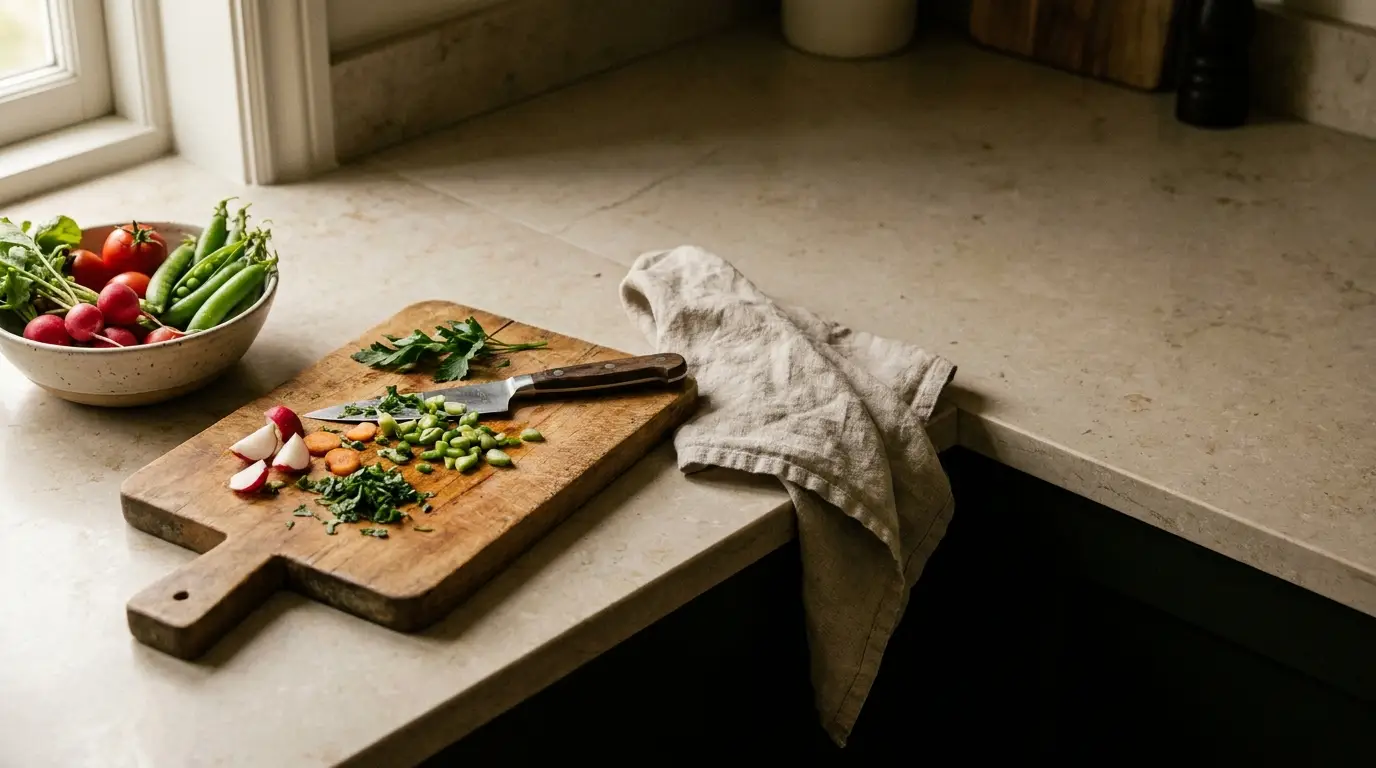
Kitchen mess becomes harder to manage when every pan, board, and surface is left until after the meal. Cleaning as you cook keeps the kitchen functional.
Start with an empty sink and dishwasher before preparing food. Put ingredients away as soon as they are used. Wipe counters between steps. Wash tools during cooking gaps.
This habit also improves hygiene. Raw food residue, crumbs, and grease are removed before they transfer to other surfaces.
After eating, the kitchen should only need a final wipe, dish load, and floor check.
Make Laundry a System
Laundry becomes overwhelming when it has no clear process. A better system separates clothing before washing and limits piles from forming.
Use divided baskets for lights, darks, towels, and delicate items. Set fixed laundry days based on household size. Fold or hang clothes as soon as they are dry.
Avoid moving clean laundry from one surface to another. That creates hidden clutter and makes clothing harder to find.
A good laundry system is not about washing more often. It is about reducing unfinished steps.
Protect High-Use Surfaces
Tables, counters, and desks collect dust, crumbs, water rings, craft materials, and everyday clutter. Protecting these areas makes cleaning faster.
Use trays for grouped items, washable placemats for meals, coasters for drinks, and baskets for remote controls or chargers.
For dining areas, craft spaces, events, or households with children, washable table covers can protect surfaces from stains and make cleanup faster after meals, projects, or gatherings.
The purpose is not to hide mess. It is to reduce damage and make surfaces easier to reset.
Use Weekly Cleaning Zones
Daily habits control clutter. Weekly zones handle deeper cleaning.
Instead of cleaning the whole house at once, assign each day a small focus area. Bathrooms on Monday, floors on Tuesday, dusting on Wednesday, kitchen appliances on Thursday, and bedding on Friday.
This spreads the workload and keeps every area from becoming urgent at the same time.
Simple Weekly Zone Plan
A practical weekly plan might include:
- Bathrooms and mirrors
- Floors and rugs
- Dusting and shelves
- Kitchen appliances
- Bedding and towels
- Bins and recycling
- Entryway and high-touch surfaces
The schedule should match the home. A small flat may need fewer zones. A family home may need more frequent floor and bathroom cleaning.
Reduce Items Before Organizing
Many homes feel messy because there is too much to manage. Storage products do not solve excess.
Before buying baskets or shelves, remove items that are broken, duplicated, unused, expired, or no longer suited to the home.
Work one category at a time. Start with cleaning products, mugs, towels, papers, shoes, or toiletries. These categories usually reveal quick wins.
Fewer items make cleaning faster. Surfaces clear more easily, drawers close properly, and storage areas stay useful.
Final Thoughts
A cleaner home comes from repeatable habits, not occasional deep cleaning. Daily resets, smart storage, protected surfaces, simple laundry routines, and weekly zones all reduce the amount of work required.
The best system is practical enough to repeat. When each task is small, visible, and tied to how the home is used, cleanliness becomes easier to maintain.