Eyewear has always occupied an unusual place in fashion. Unlike many accessories, glasses often need to be worn every day. They have to be practical, comfortable, and suitable for your vision while also becoming part of your personal style.
Now another element is entering the equation: technology.
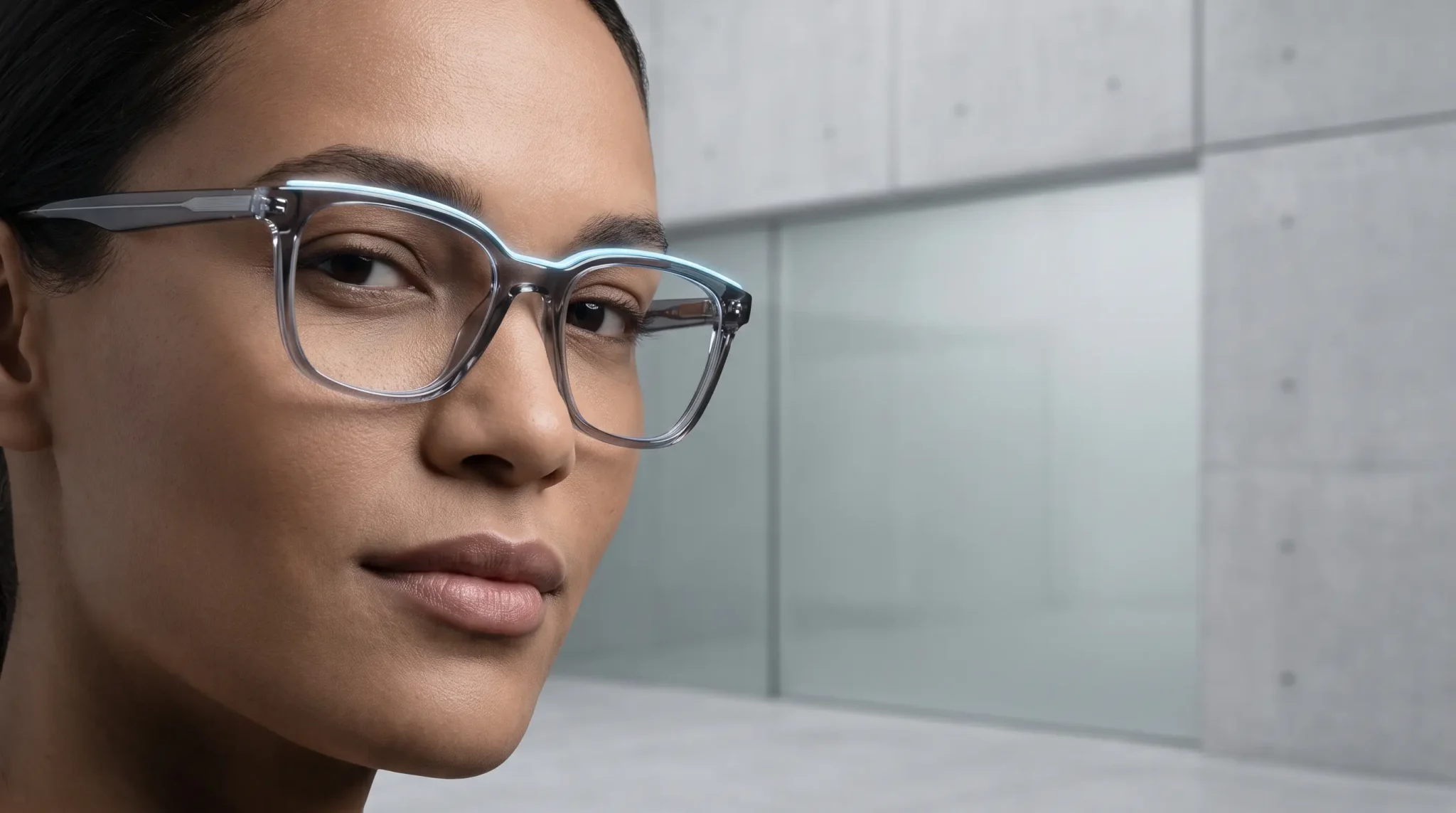
Smart eyewear is gradually moving away from the futuristic designs people once associated with wearable technology. Instead, many newer designs look much closer to traditional frames, making technology less visible and easier to incorporate into an everyday wardrobe.
The result is an interesting new category where fashion, vision, and digital functionality increasingly overlap.
Glasses Have Become a Style Statement
For a long time, prescription glasses were chosen mainly for practical reasons. The goal was simple: find frames that fit properly and provide the vision correction you need.
Today, frames are treated much more like other fashion accessories.
Shape, colour, material, and proportions all influence how glasses work with someone’s overall appearance. Some people keep one neutral pair for everyday use, while others rotate between different frames depending on their outfit or mood.
Classic rectangular frames can give an outfit a structured look. Rounder shapes often feel softer or more vintage-inspired. Oversized styles can become the focal point of an outfit, while thin frames provide a more understated appearance.
The best choice is rarely determined by trends alone. It is usually the frame someone feels comfortable wearing repeatedly.
Technology Is Becoming Less Obvious
Early wearable devices often looked unmistakably technological.
That created a problem for everyday fashion. A device could offer interesting functions while still feeling difficult to integrate into normal clothing.
Designers have gradually started taking a different approach.
Instead of asking people to wear something that looks like a gadget, technology is increasingly being incorporated into familiar products. Watches, rings, earbuds, and eyewear can now include digital functions without completely abandoning conventional design.
This is particularly important for glasses because most people do not want to replace their personal style simply to access new technology.
The most wearable products are usually those that fit into an existing routine rather than demanding an entirely new one.
Prescription Eyewear Is Entering the Smart Era
One of the biggest changes in smart eyewear is the development of options for people who already rely on prescription lenses.
Earlier wearable concepts could sometimes feel like additional devices rather than replacements for regular glasses. Prescription compatibility changes that equation.
Someone researching Meta glasses prescription options, for example, is no longer necessarily choosing between vision correction and wearable technology. Certain smart frames can combine both functions in one pair.
That could make the category more relevant to people who already wear glasses throughout the day.
Instead of putting on a separate wearable device for certain activities, the technology can potentially become part of an accessory they already need.
The Rise of Hands-Free Everyday Technology
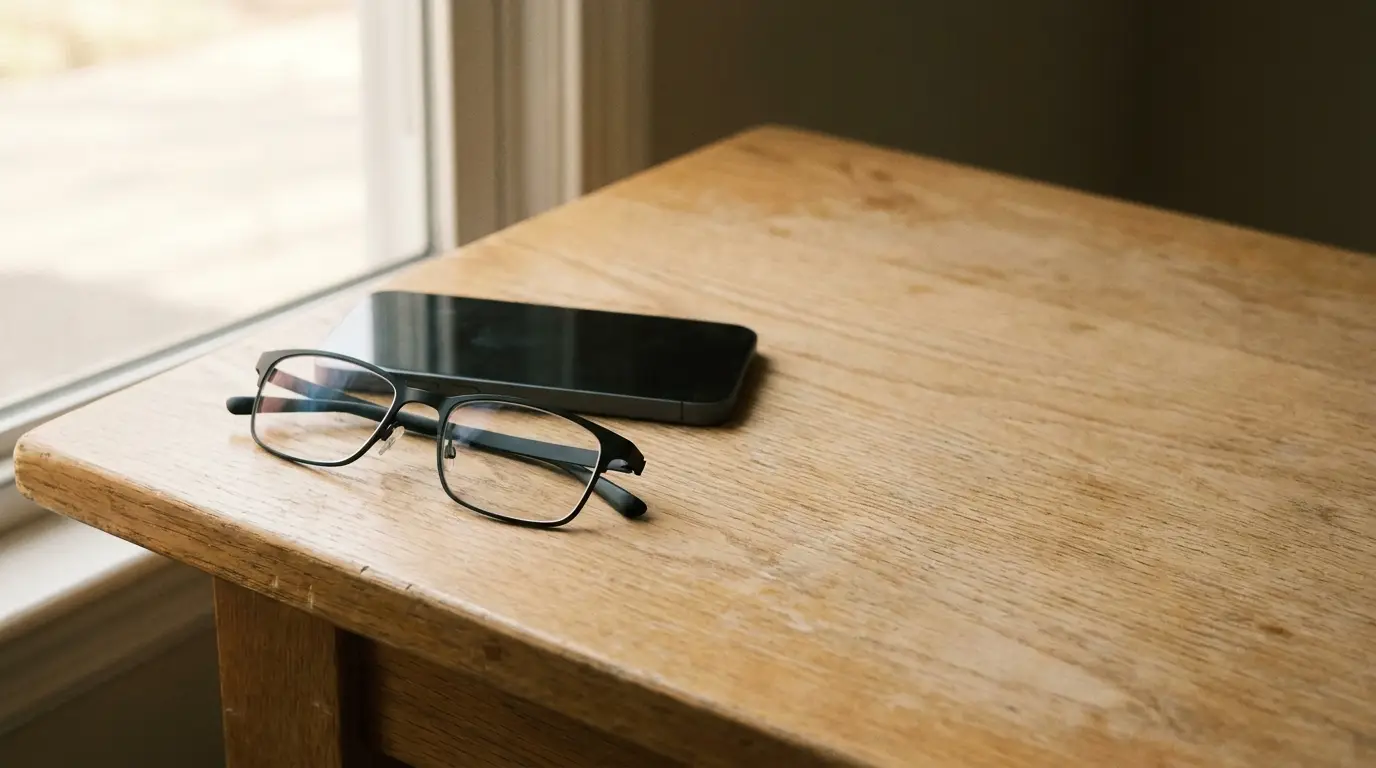
Much of modern digital life revolves around the smartphone.
We use one device for messages, music, photography, navigation, search, and countless other tasks. The convenience is undeniable, but constantly taking a phone out of a bag or pocket can interrupt whatever you are doing.
Wearable technology takes a different approach.
Voice commands and hands-free interactions can make certain simple tasks accessible while the user’s hands remain free.
This does not mean smart eyewear will replace smartphones. At least for now, the two categories are better viewed as complementary.
Phones remain much better suited to detailed visual tasks such as reading long documents, editing photos, or browsing websites. Wearables can be useful for brief interactions where opening another screen feels unnecessary.
Fashion Still Comes First for Many Wearers
The success of smart eyewear may ultimately depend as much on design as on technology.
Glasses sit directly on the face. They are one of the first things other people notice, which makes aesthetics unusually important.
Consumers may be interested in advanced features, but they still have to ask the same questions they would ask when purchasing traditional glasses:
Does the frame suit my face?
Is it comfortable?
Will I still like the design next year?
Does it work with the clothes I normally wear?
Can I wear it for several hours without thinking about it?
Technology cannot completely compensate for an uncomfortable or poorly chosen frame.
That is why the evolution toward familiar eyewear silhouettes matters. When technology becomes visually subtle, people can choose frames based on personal style rather than treating them purely as electronic devices.
How to Choose Frames That Work With Your Style
Regardless of whether glasses include smart features, a few basic principles can make choosing frames easier.
Think About Your Everyday Wardrobe
If your wardrobe consists mainly of neutral colours and simple pieces, bold frames can add contrast. If you already wear colourful or highly detailed clothing, understated eyewear may be easier to coordinate.
Consider Proportion
Face shape guides can be helpful, but they should not be treated as strict rules.
Frame width, lens size, bridge placement, and overall proportions often matter more than simply matching a particular frame shape to a particular face shape.
Try different silhouettes and pay attention to what feels balanced.
Choose Comfort Over Trends
A fashionable pair of glasses is not particularly useful if you constantly want to take it off.
Check how the bridge sits on your nose and whether the temples create pressure behind your ears. This becomes especially important for glasses worn throughout the working day.
Think Long Term
Eyewear trends change, but good frames can last beyond a single season.
If you are investing in prescription lenses or additional technology, choosing a style you genuinely enjoy may make more sense than following the most dramatic trend of the moment.
What Comes Next for Eyewear?
The boundary between fashion accessories and technology is becoming increasingly difficult to define.
Watches can track activity. Rings can contain sensors. Earbuds function as communication devices. Glasses are beginning to follow the same path.
Yet the most interesting development may not be the number of features added to eyewear. It may be how invisible those features eventually become.
The future of smart fashion is unlikely to involve dressing like we are surrounded by gadgets. Instead, familiar objects may quietly become more capable while retaining the design qualities that made us want to wear them in the first place.
For eyewear, that means the next generation of frames may need to accomplish three things at once: help us see clearly, complement our personal style, and interact naturally with the digital world.
When those elements work together, technology stops feeling like something extra we have to carry and starts becoming part of what we already wear.