The decision to acquire a high-end timepiece marks a significant milestone. It is a mixture of personal style, fine engineering, and classic heritage. For a beginner, the sheer number of options, technical terms, and price points can feel overwhelming. A smart initial step involves research to ensure the final choice brings satisfaction for decades.
A solid strategy begins with education on brands and movements. Guidance from a top-rated luxury watches retailer helps narrow down choices based on craftsmanship and value. This article highlights the essential factors every novice collector needs to consider for a confident purchase.
Mechanical vs. Quartz Movement
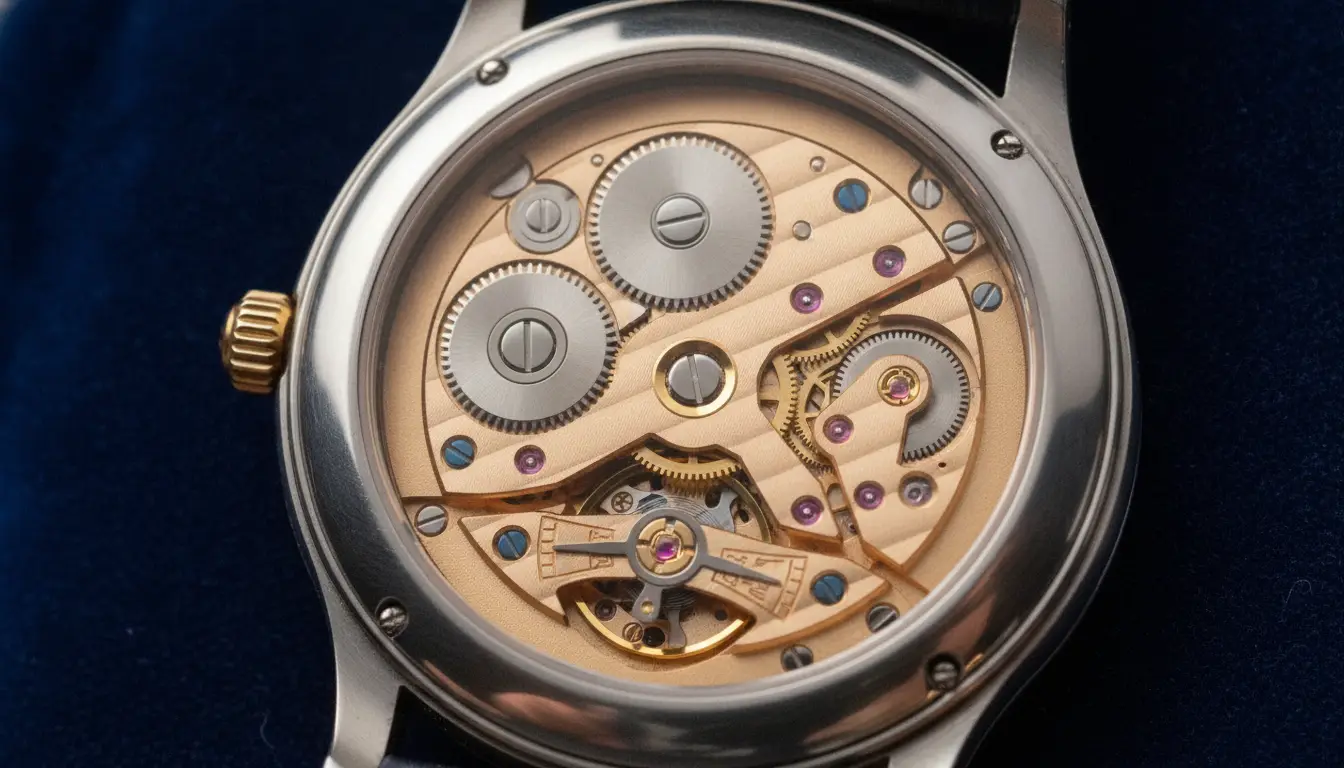
The internal mechanism that drives the hands is a crucial element. Quartz models rely on a battery and a tiny crystal for incredible accuracy. These pieces require minimal maintenance and cost less. Mechanical movements represent traditional horology, which relies on a complex system of gears and springs. Collectors favor these options for their intricate micro-engineering. Automatic versions wind themselves via the motion of a wrist, while manual variants require regular hand-winds.
Case Size and Wrist Fit
Proportions dictate comfort and visual appeal. A watch should sit flat without the lugs overhanging the edge of your wrist. Standard case diameters generally range from 36mm to 44mm.
- 36mm to 38mm: Ideal for smaller wrists or traditional dress styles.
- 40mm to 42mm: The modern sweet spot for sports models and daily wear.
- 44mm and above: A bold choice for larger wrists or specialized dive tools.
Material Selection
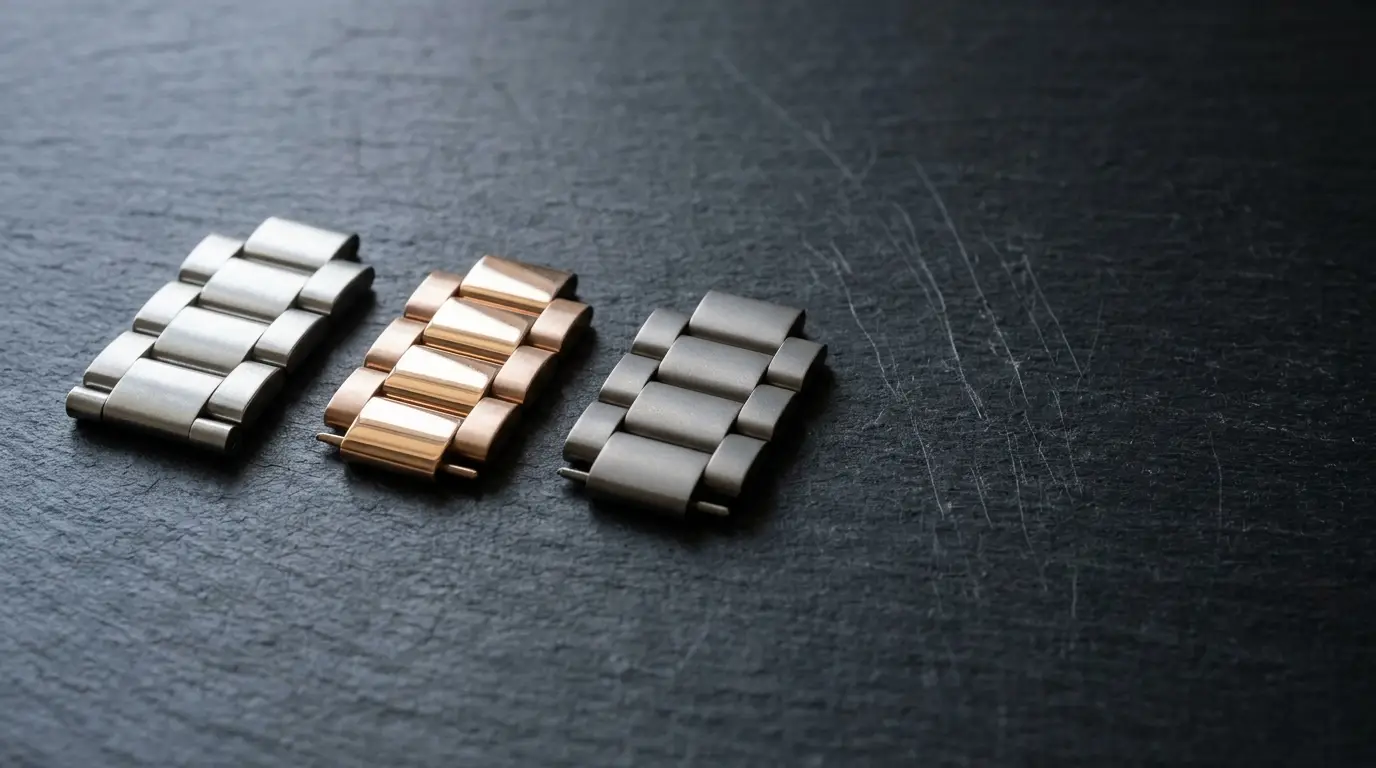
Stainless steel is the most popular choice due to its durability and scratch resistance. It transitions easily from casual settings to formal boardrooms. Precious metals add a distinct weight and premium aesthetic. Yellow gold offers a classic look, while rose gold provides a modern warmth. White gold and platinum deliver subtle luxury without immediate attention. Lightweight titanium offers an excellent alternative for sensitive skin or sports enthusiasts.
Purpose and Lifestyle Match
A daily timepiece must fit your routine. A dress watch features a slim profile and a leather strap to slide under a shirt cuff. This style suits business attire and formal events perfectly. Sports models offer robust water resistance and sturdy bracelets. Chronographs include stopwatch functions, while GMT models track dual time zones. Choose a style that matches your actual activities rather than a hypothetical scenario.
Documentation and Verification
Authenticity is paramount in the high-end market. Genuine timepieces arrive with box papers and a serial number that matches the manufacturer’s records. These documents preserve the value and simplify future service needs. Reputable sources provide clear guarantees of origin. Verification from a top-rated luxury watches retailer ensures protection against counterfeit goods and substandard repairs. Trustworthy sellers establish confidence through transparent return policies and verified customer feedback.
Long-Term Maintenance Costs
Mechanical timepieces require periodic service to maintain accuracy and water resistance. Lubricants dry out over time, and internal seals degrade. Plan for a professional overhaul every five to ten years. Service costs vary by brand complexity and required replacement parts. Factor these future expenses into the overall budget from the start. Proper care ensures the asset functions flawlessly for future generations.
A first horological purchase is an exciting milestone that blends artistry with utility. Success depends on patience, thorough research, and clear personal preferences. Focus on fit, movement type, and lifestyle alignment to find a companion for life. A well-chosen timepiece tells a unique story that grows richer with every passing year.