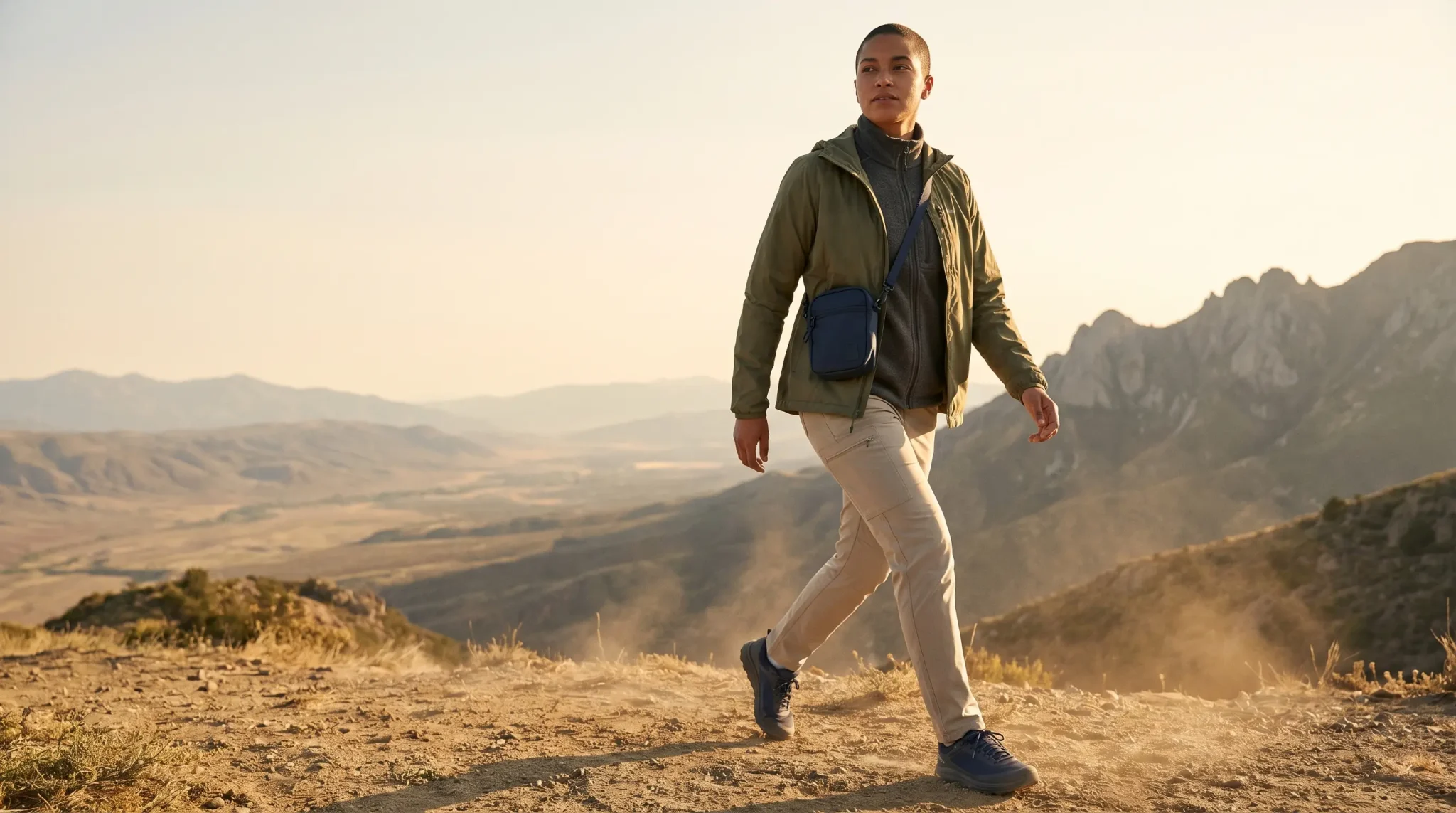
Adventure-ready fashion is no longer limited to hiking boots and waterproof jackets. Modern activewear now has to move between travel, errands, outdoor activities, fitness, and casual settings without looking overly technical.
For people with active lifestyles, clothing must support movement, temperature control, durability, storage, and quick transitions. A good outfit should handle a long walk, a weekend trip, a light trail, or a busy day in the city without needing a full change.
The best adventure-ready wardrobe is built around performance fabrics, practical cuts, and pieces that look refined enough for everyday wear.
Start With Functional Fabrics
Fabric choice is the foundation of active fashion. Cotton may feel comfortable at first, but it holds moisture and dries slowly. That can become uncomfortable during long walks, travel, or outdoor activity.
Performance blends are usually better for active use. Nylon, polyester, elastane, merino wool, and technical cotton blends can improve stretch, durability, and moisture control.
Look for fabrics that offer breathability, abrasion resistance, and shape retention. For outer layers, water resistance and wind protection matter. For base layers, moisture management and softness are more important.
Build Around Durable Everyday Bottoms
Bottoms take the most wear during active movement. They need to handle bending, walking, sitting, packing, and occasional rough surfaces.
This is why many active wardrobes now include utility-inspired trousers, stretch denim, cargo cuts, and reinforced casual pants. They offer a cleaner look than hiking trousers while still giving more function than standard jeans.
For people who want everyday styling with added storage and durability, tactical jeans can work well because they combine casual denim structure with movement-focused details such as stretch fabric, reinforced areas, and practical pocket placement.
The goal is not to look like you are wearing workwear. The goal is to choose bottoms that can keep up with real movement.
Prioritize Fit and Mobility
Adventure-ready fashion depends on fit. Clothes should not restrict steps, shoulder movement, bending, or sitting.
A slim fit can still work if the fabric has stretch and the seams are positioned well. A relaxed fit can also work if it avoids excess fabric that catches on bags, bikes, or equipment.
Fit Details That Matter
When choosing active clothing, check for:
- Stretch through the hips, knees, and shoulders
- Gusseted construction or articulated seams
- Adjustable waistbands or drawcords
- Secure cuffs or hems
- Enough room for layering
- No tight pulling when sitting or reaching
Movement testing is simple. Squat, reach forward, lift your arms, and walk quickly before deciding whether a piece belongs in an active wardrobe.
Use Layers Instead of Heavy Pieces
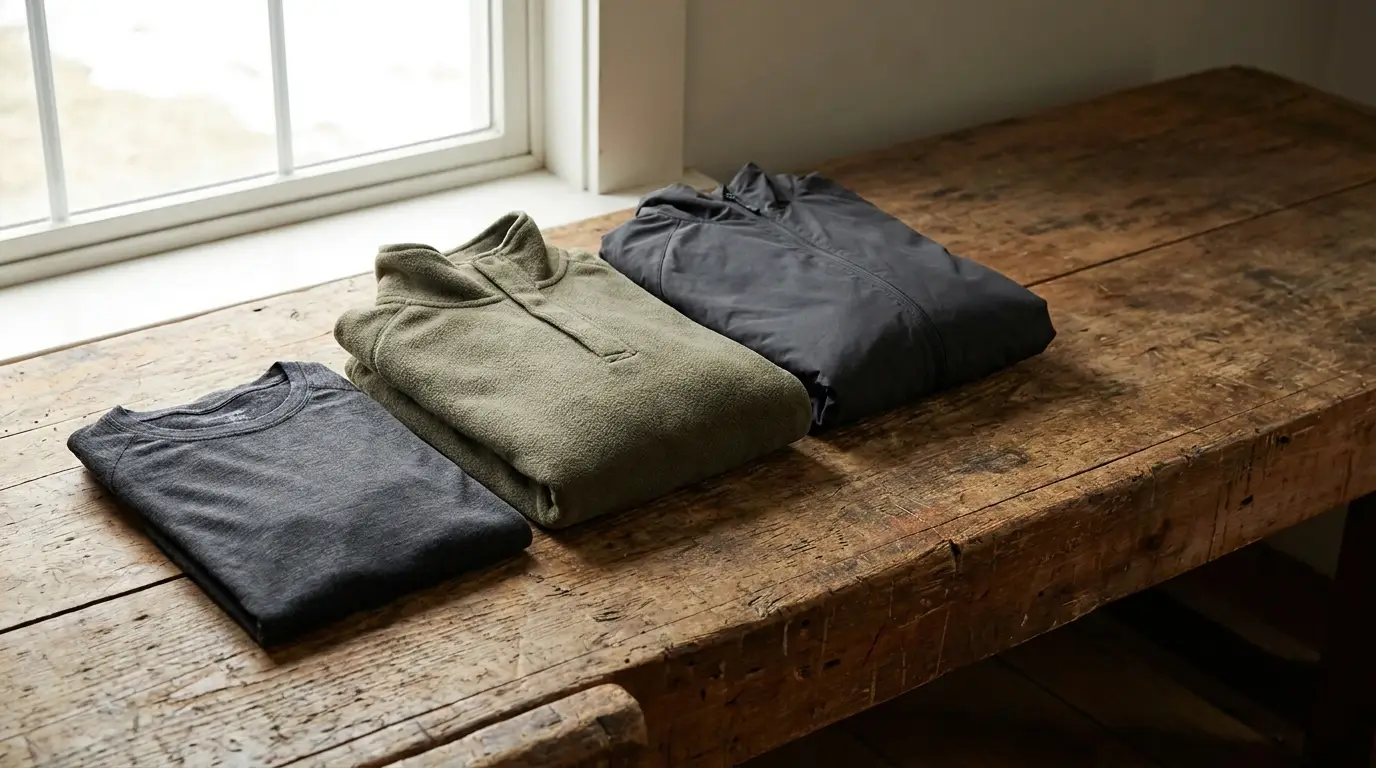
Layering is more practical than relying on one heavy garment. It allows you to adjust as the weather, activity level, or setting changes.
A strong layering system starts with a breathable base layer. Add a mid-layer for warmth, such as a fleece, overshirt, or lightweight knit. Finish with a shell or jacket that blocks wind or light rain.
Each layer should work on its own. This gives more outfit combinations and makes packing easier.
Neutral colours help layers combine cleanly. Olive, black, stone, navy, charcoal, cream, and muted earth tones are easy to style across casual and outdoor settings.
Choose Footwear for Terrain and Transitions
Footwear needs to match both activity and environment. A shoe that looks good but lacks grip can become a problem on wet paths, uneven streets, or long walking days.
For everyday adventure wear, look for cushioned soles, stable heel support, breathable uppers, and durable outsoles. Trail-inspired trainers, low hiking shoes, waterproof sneakers, and supportive sandals can all work depending on climate and activity.
Avoid overly bulky shoes unless the terrain requires them. The most useful footwear bridges outdoor performance and casual styling.
Make Storage Part of the Outfit
Active lifestyles often require hands-free carrying. Phone, keys, wallet, sunglasses, snacks, gloves, and small tools need secure storage.
Pockets should be practical, not decorative. Zipped pockets are useful for travel and movement. Internal jacket pockets help protect valuables. Crossbody bags, belt bags, and compact backpacks can add storage without disrupting the outfit.
Smart Storage Features
Useful details include:
- Zipped side pockets
- Hidden security pockets
- Water-resistant compartments
- Internal mesh pockets
- Key clips
- Adjustable straps
- Lightweight packable bags
Good storage reduces the need to carry bulky accessories for short outings.
Blend Style With Technical Details
Adventure-ready fashion works best when technical features are subtle. Reflective trims, reinforced panels, adjustable hems, and weather-resistant finishes should support the design rather than dominate it.
This balance keeps clothing wearable in cafés, airports, casual offices, and weekend settings.
The easiest approach is to combine one technical piece with more familiar clothing. Pair a weatherproof jacket with clean trousers. Wear trail shoes with a simple knit. Match utility pants with a structured shirt or minimal tee.
Consider Activity-Specific Accessories
Accessories should solve practical problems. A hat protects against sun or cold. A lightweight scarf adds warmth. A compact waterproof bag protects devices. Sunglasses reduce glare. Gloves improve comfort during early walks or travel.
For climbing, hiking groups, gyms, outdoor clubs, or adventure events, branded or personalised gear can also support identity and organisation. Items from suppliers of custom climbing products can be useful for teams, clubs, competitions, or group trips where equipment and apparel need to be easy to identify.
Choose accessories that serve a purpose. Too many add-ons make an outfit harder to manage.
Keep Maintenance Simple
Adventure-ready clothing should be easy to clean and quick to dry. Check care labels before buying.
Avoid pieces that require delicate washing if they will be used often. Technical fabrics may need mild detergent and air drying to preserve finishes. Waterproof garments may need reproofing over time.
A smaller wardrobe of durable, easy-care pieces is more useful than a large wardrobe that cannot handle regular wear.
Final Thoughts
Adventure-ready fashion is about practical style. It combines mobility, durability, storage, weather awareness, and clean design.
The best pieces do not force a choice between comfort and appearance. They support active days while still looking intentional.
Build the wardrobe around functional fabrics, flexible layers, durable bottoms, supportive footwear, and useful accessories. When each item earns its place, dressing for an active lifestyle becomes easier and more effective.